MAM
New language of advertising, more collaboration within brands on rise post-Covid2019


MUMBAI: Wunderman Thompson Intelligence has pinpointed the trends and behaviours that define the new world, as business and consumers respond to the Covid2019 pandemic. Wunderman Thompson’s new report, ‘The Future 100 2.0.20,’ is a follow-up to its ‘The Future 100’ report released in January and highlights 20 key trends that have been fast-tracked by the outbreak, as well as five new trends that have come to light.
The global lockdown has given people time to reflect on their values, highlighting the importance of community, the need for better public health regulations, and the drive to protect future generations. In order to thrive in this new landscape, brands and marketers must address these new consumer attitudes.
Optimism on the rise: The report finds that despite the rise of anxiety levels, consumers are also seeking hope and positivity in the form of uplifting stories and programs to inspire future generations.

The new language of advertising: Regulations around flattening the COVID-19 curve have led to a less touch-oriented world. Brands and advertisers are rethinking communication strategies in order to bring people together without the need to congregate physically.
The gaming multiverse: The report also highlights the popularity of gaming and its versatility, providing an outlet for companionship, education and stress-relief.
Brands move from competing to collaborating: Competitive brands are increasingly putting aside old rivalries and working together for the greater good. There has been increased investment in vital services, with Apple and Google collaborating on a contact-tracking app, while GSK and Sanofi join forces in the search for a Covid2019 vaccine.
Other emerging trends include the rise of gamescape travel as the tourism industry taps into new virtual worlds in search of escapism, and novel dining formats as restaurants rethink the dining experience.
We will also see the rise of anti-consumerism, with shoppers focusing on essentials and becoming more mindful in their purchasing habits. In addition, new payment gestures will grow with the acceleration of frictionless payments and contactless throughout the entire purchase process, including delivery.







Brands
Jubilant FoodWorks faces Rs 47.5 crore GST demand, plans appeal
Tax authorities flag alleged misclassification of restaurant services
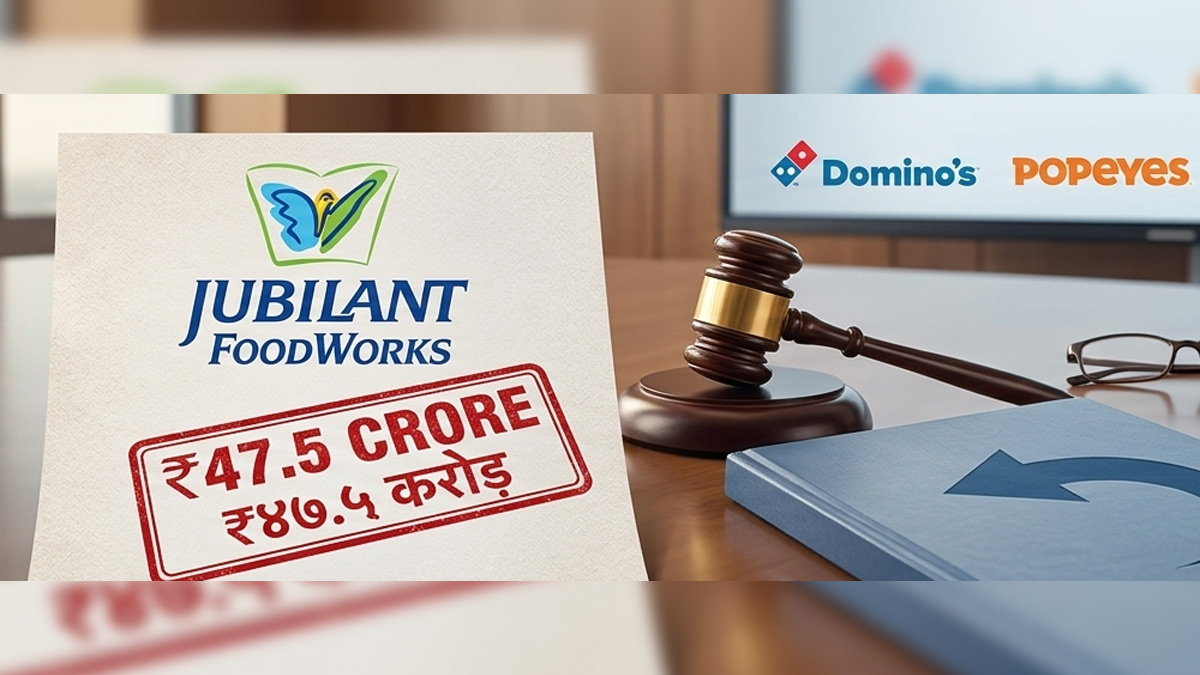
MUMBAI: Jubilant FoodWorks Limited has landed in a tax tussle after receiving a GST demand of Rs 47.5 crore from the office of the additional commissioner of CGST and central excise in Thane, Maharashtra.
The order, issued under the provisions of the Central Goods and Services Tax Act, 2017, relates to an alleged incorrect classification of certain services under the category of restaurant services. According to the tax authorities, this classification resulted in a short payment of goods and services tax for the period between the financial years 2019-20 and 2021-22.
The demand includes Rs 47.5 crore in GST along with an equal amount as penalty, in addition to applicable interest. The order was received by the company on March 13, 2026.
In a regulatory filing to the BSE Limited and the National Stock Exchange of India Limited, the company said it disagrees with the order and believes its arguments were not adequately considered.
The company is preparing to challenge the decision and plans to file an appeal. It added that once the redressal process is complete, the demand is likely to be dropped.
Despite the sizeable figure attached to the notice, the company said it does not expect any material impact on its financials, operations or other activities.
The disclosure was signed by Suman Hegde, EVP and chief financial officer, who confirmed that the company received the order at 19:06 IST on March 13 and has already initiated steps to contest it.
The development places the quick service restaurant major in the middle of a tax debate that could hinge on how certain restaurant-linked services are classified under GST rules. For now, the company appears ready to take the matter from the tax office to the appeals desk.