MAM
Nestle India clocks double digit growth on the back of in-home consumption


NEW DELHI: Nestle India has clocked total sales of Rs 3,525 crore in Q3 2020 ending on September 30, 2020. Domestic sales as well as total sales grew at 10.2 per cent and the total profit during this period was Rs 587 crore. As a result, the company has announced an interim dividend of Rs 135 per equity share.
The FMCG company registered double digital growth in key brands boosted by in-home consumption. Interestingly, the demand for ‘Out of Home’ channels has also improved during the quarter. Also, the e‐commerce segment grew by 97 per cent, contributing about 4 per cent of domestic sales.
Nestle India chairman & MD Suresh Narayanan announced that the company has planned an investment of Rs 2,600 crore over in India over the next three to four years. This is to augment their existing manufacturing capacities, as well as towards the construction of a ‘state of the art’ factory in Sanand, Gujarat, he added.

“I am extremely proud of my team, our distribution partners, hundreds of suppliers including MSMEs, many thousand farmers, agencies, service providers large and small, as well other stakeholders in our business, for their determination, anticipation, tenacity, imagination and sheer hard work that has helped us achieve a strong performance this quarter. This has been achieved in the face of daunting challenges in operations thrown at us by this pandemic. We are proud of our 108‐year long association with the nation and nearly six‐decade long manufacturing journey,” Narayanan said.
The quarter witnessed growth driven by an improved supply situation, with factories returning to normal output. Key brands like Maggi Noodles, Maggi Sauces, Kitkat, Nestlé Munch, Nescafe Classic & Nescafe Sunrise witnessed double digit growth on the back of increased in-home consumption.
“Demand in ‘Out of Home’ channels improved during the quarter but continues to be impacted due to the overall environment. We continued our strong performance in the e‐commerce channels, which grew by 97 per cent and now contributes about 4 per cent of domestic sales,” the company stated in its Q3 earnings report.







MAM
Beacon Group appoints Dr Rajesh Patel as Group CEO
36-year healthcare veteran to lead Beacon Diagnostics, Vector Biotek, Biogeny.
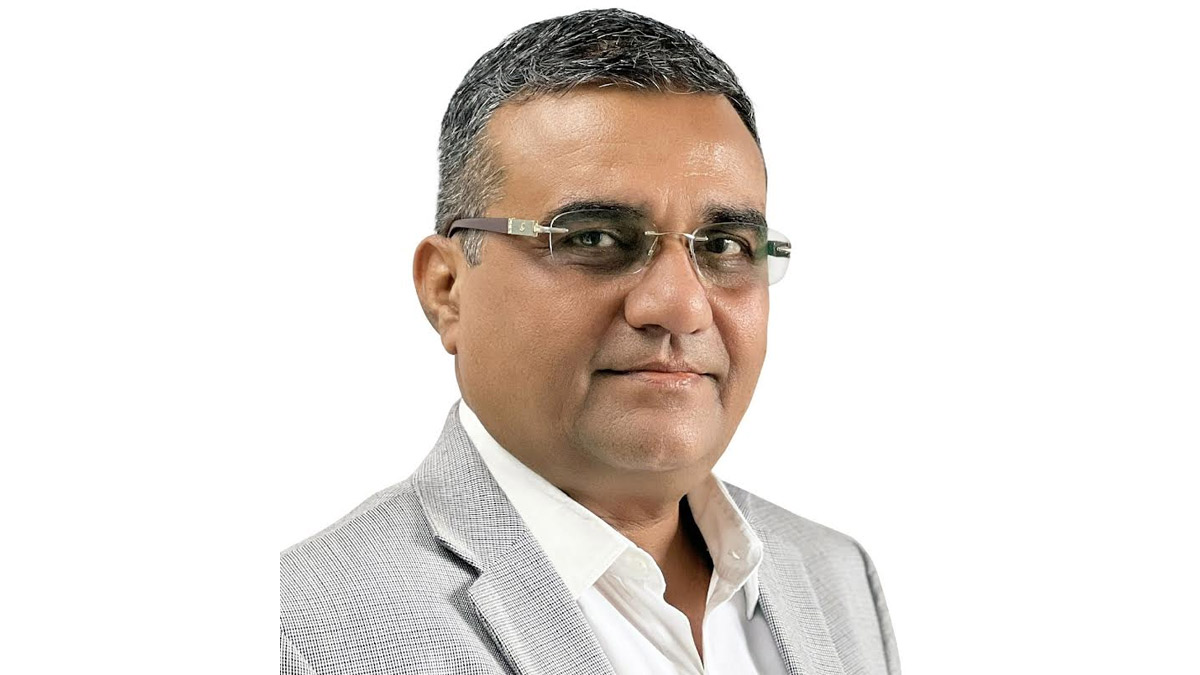
MUMBAI: A new chief, a fresh diagnosis and a sharper prescription for growth. Beacon Group has appointed Dr Rajesh Patel as its Group Chief Executive Officer, effective April 1, 2026, signalling a decisive push to scale its presence in the diagnostics and IVD space. Patel steps into the role with 36 years of experience across the healthcare and diagnostics industry, bringing a career shaped by leadership roles spanning sales, marketing, business development and operational strategy. His mandate is both expansive and precise: to steer the group’s overall strategic direction while tightening coordination across its three core entities Beacon Diagnostics, Vector Biotek and Biogeny Diagnostics.
In practical terms, that means driving cross-company synergies, accelerating market expansion and strengthening organisational capability areas increasingly critical as diagnostic players compete for scale in a fragmented yet rapidly evolving healthcare ecosystem. The group is positioning itself to capture unmet demand across chain laboratories, key accounts and standalone labs, segments that remain underserved despite growing diagnostic needs.
The appointment comes at a time when the In Vitro Diagnostics (IVD) sector in India is entering a more competitive and innovation-led phase, with companies focusing not just on product pipelines but also on service delivery, integration and customer-centric models. Beacon’s leadership appears to be betting that Patel’s execution-focused approach can help translate ambition into operational momentum.
Welcoming the appointment, Chairman Dr D K Joshi described Patel’s induction as a strategic move aligned with the group’s long-term vision, emphasising the role of leadership depth in navigating the next phase of growth.
For Beacon Group, the message is clear, in a sector where precision matters, leadership is the new differentiator—and this appointment is intended to set the tone for what comes next.






