MAM
Nestlé a+ launches ‘Cartons to Classroom’ campaign with Tetra Pak

Mumbai: Nestlé a+ has joined hands with Tetra Pak to launch ‘Cartons to Classroom’- a unique initiative to increase awareness about recycling in India by converting used beverage cartons to create classroom furniture for schools for less-privileged children.
The initiative will begin in Mumbai and it marks the start of a long-term collaboration between Nestlé a+ and Tetra Pak, duly supported by the food and beverage company’s retail partners- Reliance Retail and RUR Greenlife, a social enterprise.
Cartons to Classroom is an extension of Tetra Pak’s ‘Go Green with Tetra Pak’ programme. It brings together two important goals of increasing recycling of used beverage cartons and providing quality education infrastructure for less-privileged children.

“Nestlé a+ is proud to partner with Tetra Pak on this unique recycling initiative that not only champions the cause of responsible waste management but also contributes effectively towards the education of less-privileged children,” said Nestlé India director- dairy Mehernosh Malia. “The ‘Cartons to Classroom’ programme is the first step by Nestlé a+ in this long-term collaboration on sustainability with Tetra Pak. We are committed to working towards more such initiatives across our brands.”
Beverage cartons such as the ones made by Tetra Pak, are paper-based, recyclable and can be converted into useful items like classroom furniture. A key catalyst in increasing the recycling of cartons is environmentally conscious consumers. With an intent to make this initiative accessible to all Nestlé a+ consumers, 54 collection points across Reliance Smart Superstores and Sahakari Bhandar outlets will be made available in Mumbai. Through these, Nestlé a+ aims at collecting more than 10,00,000 cartons which would get recycled into composite sheets, almost 100+ desks for schools, said the brand in a statement.
“We are happy to have the support of a reputed brand like Nestlé a+ on Cartons to Classroom, which speaks volumes about the power of partnerships. A responsible manufacturer, brand owner, retailer and social enterprise, all coming together to make a real difference in the area of environmental sustainability,” said Tetra Pak- South Asia sustainability director Jaideep Gokhale. “Building on our flagship program Go Green with Tetra Pak launched in 2010, this campaign will bring alive how one small step of depositing used cartons for recycling can positively impact communities as well as the planet.”
“Go Green with Tetra Pak is a program that is very close to our hearts, and we are thankful to our loyal customers who have extended their support to the program for 11 years! I am confident that our customers will respond with even more enthusiasm and play their part in supporting Cartons to Classroom,” added Reliance Retail president and CEO Damodar Mall.


MAM
Ameya Velankar steps down as Uber’s head of marketing for India & South Asia
Veteran marketer exits after more than seven years with the ride-hailing giant.
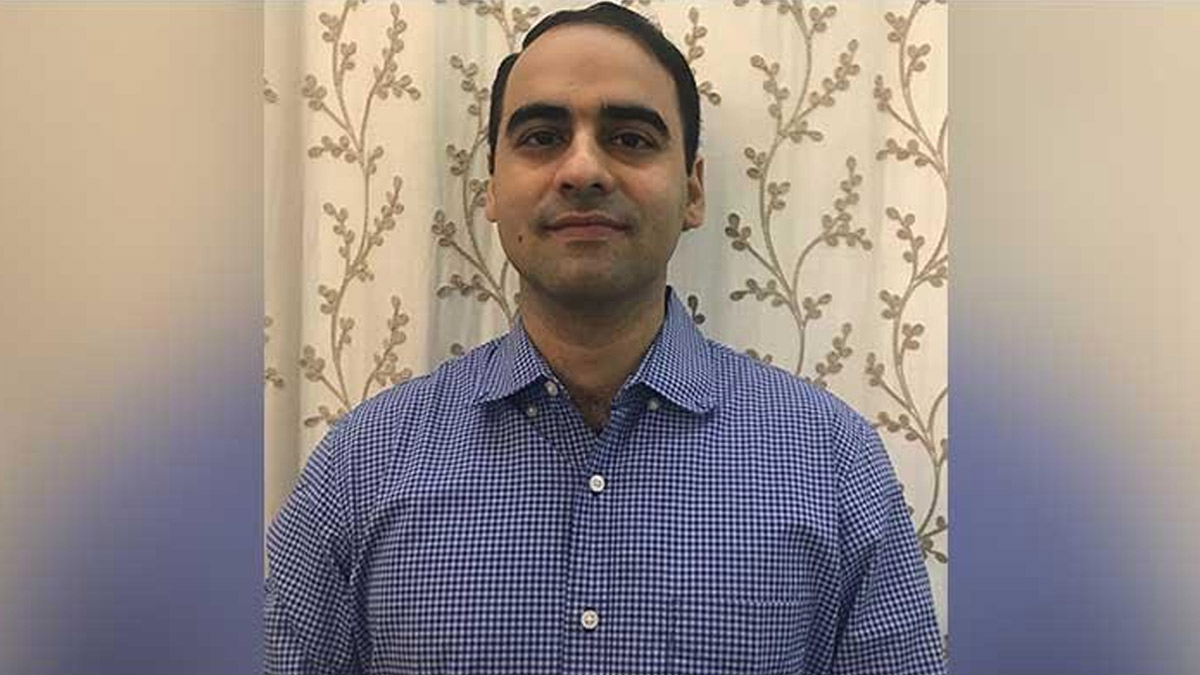
MUMBAI: After more than seven years of steering Uber through the bumpy roads of India’s mobility market, Ameya Velankar has decided to change lanes. Ameya Velankar has stepped down as Head of Marketing for India and South Asia, marking the end of a significant chapter at the ride-hailing company. He had been with Uber since 2019, taking on multiple roles in product and category marketing before rising to lead the marketing function for the region in 2021.
During his tenure, Velankar played a key role in strengthening Uber’s positioning in one of its most competitive and dynamic markets. He helped drive localised marketing strategies and scale adoption across key offerings such as Auto, Moto, Rentals and Intercity, tailoring global platforms to Indian consumer needs.
Prior to joining Uber, Velankar built his marketing expertise at leading consumer companies including SC Johnson and Marico, where he handled category and product leadership roles. His career began at RPG Enterprises.
Details of his next professional move have not been disclosed.
In a fast-evolving mobility landscape where brands constantly battle for attention, Ameya Velankar helped Uber stay relevant and resonant with millions of Indian users. As he moves on from the driver’s seat of marketing, the company will now look for fresh ideas to keep its wheels turning smoothly.






