MAM
MuscleBlaze flexes its storytelling muscle with ‘India’s strongest unknowns’


MUMBAI: Some stories don’t break the internet, they break you a little, then build you right back up. MuscleBlaze’s new content series, India’s strongest unknowns, does exactly that, throwing a spotlight on the grit that rarely makes it into glossy sports ads.
India’s leading sports nutrition brand has taken a sharp creative turn with its new flagship series, created by Tonic Worldwide, choosing long-form, cinematic storytelling over sprint-length reels. Instead of protein tubs and pumped-up montages, the brand dives into the messy, emotional, often invisible labour that turns talented athletes into national outliers.
The inaugural film, India’s Fastest Hurdler Ever | Tejas Shirse’s 13.41s National Record, sets the tone and the bar for the series. Over ten intense minutes, the film tracks Shirse’s turbulent path through the 110-metre hurdles: the financial squeezes, the mental strain on his family, the heartbreak of missing qualification by split seconds, and the psychological toll of coming up short again and again. Through candid interviews with Tejas, his coach and his family, the film makes one thing brutally clear, speed may win medals, but resilience wins careers.

“In an era dominated by micro-dramas and one-second reels, we made a conscious choice to slow down,” said Tonic Worldwide co-founder and chief creative officer Sudish Balan. “Effort, discipline, accountability these aren’t concepts that fit into fleeting clips. For India’s strongest unknowns, we committed to cinematic integrity. We wanted audiences not just to watch, but to feel an athlete’s journey. We’re not chasing views, we’re building trust.”
By presenting athletes like Shirse through documentary-style narratives, MuscleBlaze positions itself less as a brand and more as a chronicler of India’s athletic backbone, the overlooked, the underfunded and the relentlessly driven.
The series will continue to drop new episodes over the coming months, each spotlighting a different athlete or fitness icon and slowly building a library of long-form stories that don’t just motivate the MuscleBlaze community, they validate it.
If protein builds the body, these films build the conviction to keep going.






MAM
10 years of UPI: India’s payments system hits 21.7 billion transactions a month
From queues to QR codes, digital push drives inclusion and real-time ease
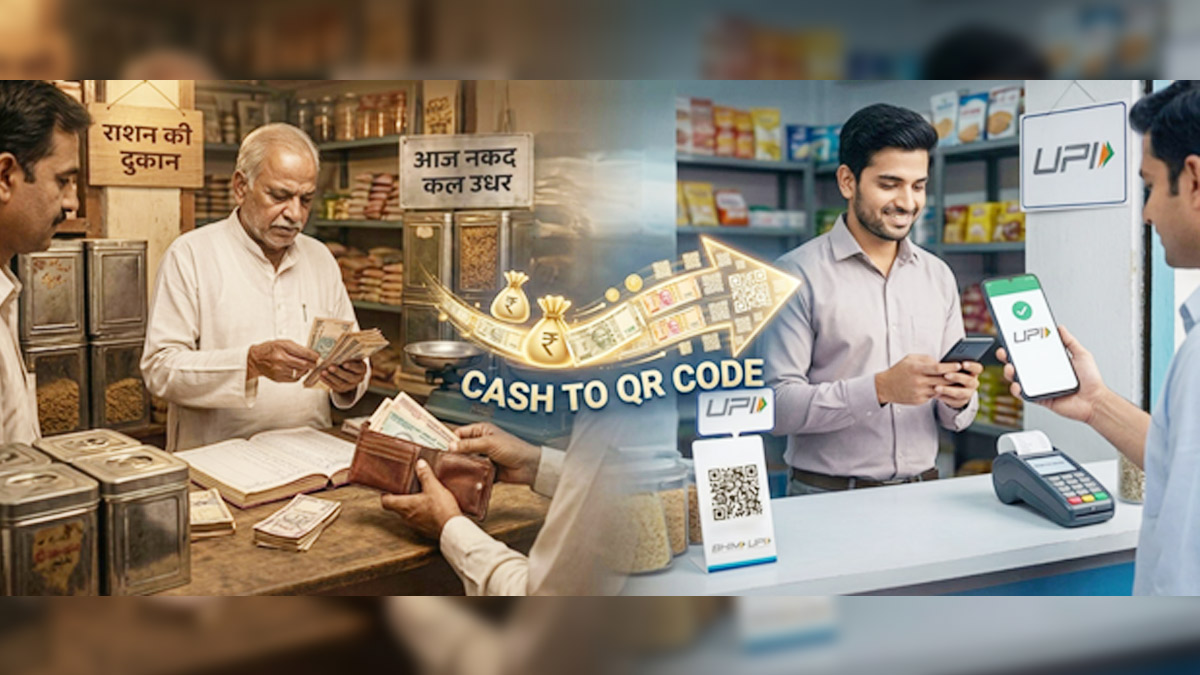
NEW DELHI: India’s digital payments story has come a long way from queues at bank counters to instant QR code scans, with the Unified Payments Interface now processing a staggering 21.7 billion transactions in a single month, underlining its position as the world’s leading real-time payments system.
Not too long ago, routine transactions meant paperwork, waiting periods and, for many, complete exclusion from the formal financial system. Today, that landscape has been fundamentally reshaped by a digital ecosystem built on scale, simplicity and accessibility.
The shift gained momentum in the early 2000s when the Reserve Bank of India introduced systems such as RTGS and IMPS. While these laid the groundwork for faster payments, their reach remained limited to those already within the banking fold.
A decisive breakthrough came with the JAM trinity, combining the Pradhan Mantri Jan Dhan Yojana, Aadhaar and widespread mobile connectivity. This framework expanded financial access, enabled direct benefit transfers and familiarised millions with digital transactions.
“The JAM Trinity catapulted our banking to a different level altogether,” said Nirmala Sitharaman, highlighting its transformative impact.
Launched in 2016 by the National Payments Corporation of India, UPI simplified money transfers by removing the need for complex bank details. With just a mobile number or UPI ID, users can send and receive money instantly, round the clock.
Its scale has expanded rapidly, with participating banks growing from just over 200 in 2021 to nearly 700 by early 2026. Today, UPI accounts for 81 percent of India’s retail digital transactions and nearly half of global real-time payment volumes, according to global institutions such as the International Monetary Fund and the World Bank.
Beyond convenience, the platform has driven deeper financial inclusion. From street vendors and autorickshaw drivers to rural traders and domestic workers, millions now participate in the formal economy through instant, low-cost transactions. The system has also opened doors to credit, insurance and savings products for previously underserved segments.
New features such as UPI Lite, AutoPay and credit integration are further expanding its scope, turning it into a broader financial platform rather than just a payments tool. At the same time, enhanced security measures like two-factor authentication have strengthened user trust and reduced fraud risks.
India’s payments innovation is also gaining global traction, with UPI-linked systems now operational in multiple countries, enabling seamless cross-border transactions and boosting remittances.
What began as a solution for financial inclusion has evolved into a global benchmark for digital payments. As India continues to move from queues to QR codes, UPI stands as a powerful example of how technology can simplify everyday life while driving economic participation at scale.







