AD Agencies
Mogae acquires Ashish Dabral’s Ao1 with share-swap

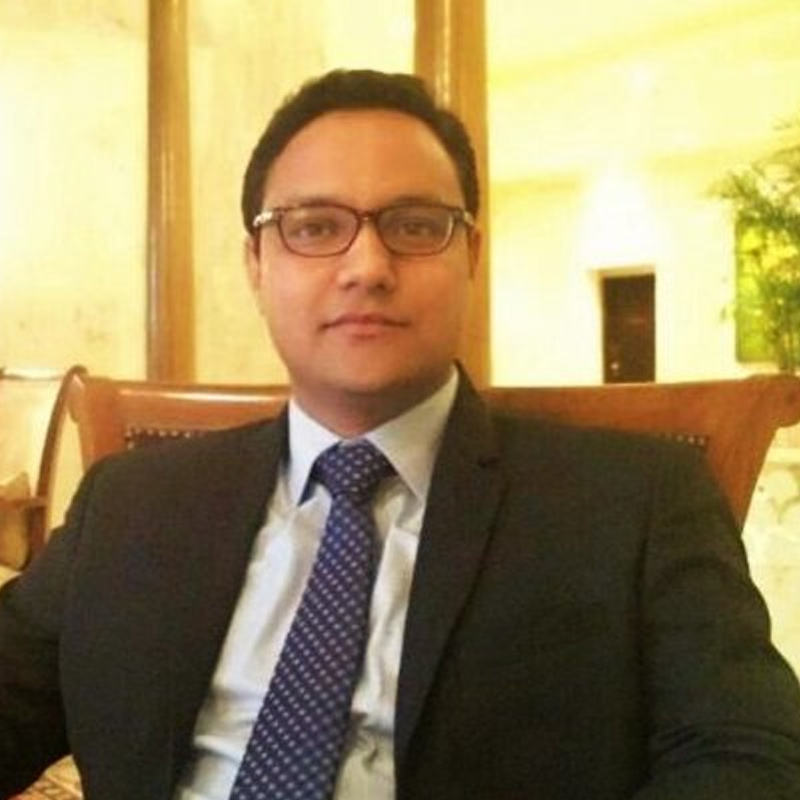
MUMBAI: A leading provider of integrated mobile marketing services Mogae Media has acquired Ao1 personalized video platform from Dentsu Marcom CEO Ashish Dabral. He had been developing this new-age technology platform for the past 18 months with a young tech team out of Gurgaon.
The transaction is a cashless one, involving a share-swap that will see Dabral joining Mogae Media as the executive director and Mogae taking full ownership of the tech platform. Mogae will fund the further development and deployment of the platform.
Ao1 is actually an acronym for ‘Audience of One’ which is what Mogae’s new acquisition seeks to deliver. “This is a wonderful technology that combines technology with creativity. It is like producing a TV commercial for just one person as audience”, said Mogae Media chairman Sandeep Goyal. “Worldwide, the trend is towards more and more video content consumption. With Ao1 we can personalise that content. So messaging to high-value customers can be individualized, and personalized such that the recipient feels special, and more positively disposed towards both the brand and its communication.”

Ao1 works as a sell/cross-sell/up-sell engine for customer loyalty. It works to enhance the messaging in any CRM effort of banks, insurance companies, telecom operators, retail, airlines, hotels, e-commerce destinations and all such business that seek to engage their customers better. Mogae Media has in the past worked with Idomoo of Israel, the pioneer-leaders in video personalisation.
The platform connects with the database of any client. The real-time personalisation engine resides in a cloud that enables the right video to be served to the right customer at the click of a link received by the customer in an email or text message. The driving principles behind Ao1 are engage (involve and inspire customers), connect (make it personal), satisfy (reward loyalty) and impact (create visible positive ROI).




AD Agencies
Havas Media Network India bags integrated media mandate for Aakash Educational Services Limited
PivotRoots and Arena Media to drive 360° strategy for student outreach
NEW DELHI: Havas Media Network India has secured the integrated media mandate for Aakash Educational Services Limited, following a competitive multi-agency pitch, signalling a fresh push by the education major to sharpen its reach among students nationwide.
The mandate will be jointly handled by PivotRoots and Arena Media, both part of the Havas network. Together, they will roll out a full-spectrum media strategy designed to boost AESL’s visibility across digital and traditional platforms.
At the heart of the partnership lies a simple idea: making the brand not just seen, but sought after. The agencies will blend data, technology and creative storytelling to craft campaigns that resonate with students and parents navigating an increasingly digital-first education landscape.
Aakash Educational Services Limited SVP marketing Kanika Kumar Nijhawan said, “At Aakash, we believe success is built through a structured, long-term and data-driven approach. As we expand across the country, adopting a more integrated approach to media is essential. This partnership marks a significant step towards building stronger connections with our audiences.”
Under the arrangement, PivotRoots will spearhead digital and performance marketing, covering social media, influencer collaborations and data-led optimisation. Meanwhile, Arena Media will focus on traditional channels including print, television, radio, cinema and outdoor advertising, ensuring consistent messaging across touchpoints.
Havas Media Network India chief executive officer Mohit Joshi said, “Delivering for a powerhouse like AESL requires both scale and precision. By combining Arena Media and PivotRoots, we are deploying our Converged.AI platform to create a 360-degree strategy that drives engagement, conversions and long-term growth.”
Echoing the sentiment, PivotRoots founder and chief executive officer Shibu Shivanandan added that the collaboration would focus on building “impactful, full-funnel experiences” powered by deep analytics and performance-led marketing.
With a strong legacy in coaching for medical and engineering entrance exams, AESL is now doubling down on integrated media to stay ahead in a crowded, fast-evolving education market. The partnership with Havas signals a clear intent: to turn visibility into meaningful engagement and, ultimately, student success.