MAM
Mofam launches fund for in-film advertising


MUMBAI: In-film advertising is rapidly becoming a great place for brands to collaborate with movies. To optimise the equation of expense, integration and impact, Mofam, a financial services company has launched ‘Bfund’, a fund partner to consumer brands to convert their recurring expense for in-movie product placements into a returnable investment.
Brands currently incur an expense per movie to tacitly make their brand visible. Bfund takes funds from brands only in the first year, and rotates it multiple times over a five-year tenure and returns the same with accumulated NAV at the end of the fund life.
Started by marketing, media and procurement veteran Raja Peter and career investment management professional and ex-head of private equity at Essel Finance, Sumit Mody, Bfund is a scalable solution by Mofam that helps identify movie projects, brand slots within scripts and creative leverage in feature films across the industry.

Peter says, “Marketers the world over look to maximise brand awareness at the lowest cost; Bfund is that vehicle for cinema in India. Bfund will work closely with brands to ensure a brand is ensconced within a choice of movies and genres. Our initiative will help deliver deeper brand integration across multiple movies at significantly lower CPM in this critical medium of popular culture.”
To take this unique fund to the India advertising market, Bfund is collaborating with GroupM’s Mindshare, India’s largest media and marketing investment agency. Through this alliance, Mindshare clients will get a first-mover advantage in access to product placement in theatrical releases at a lower cost.
“Product placement in theatrical releases represents an increasingly valuable way for brands to reach targeted consumers,” adds WPP India and CEO GroupM South Asia country manager CVL Srinivas. “By creating a mechanism for marketers to collaborate with film producers at early development stages in filmmaking, innovative and impactful brand integrations can be conceived and developed.”
Adding his thoughts on the alliance, Mindshare South Asia CEO Prasanth Kumar mentions, “Cinema is a uniquely immersive medium and represents an opportunity for a brand to get noticed with undivided attention. We are excited to deliver to our clients a real competitive advantage in this medium.”
Bfund is targeting a fund size of Rs 120 crore for Bollywood movies and another Rs 80 crore for Tollywood movies. It expects to start deployment from both funds by next quarter and will primarily look at star-rated projects. Investment size can be up to Rs 20 crore per project.







MAM
Beacon Group appoints Dr Rajesh Patel as Group CEO
36-year healthcare veteran to lead Beacon Diagnostics, Vector Biotek, Biogeny.
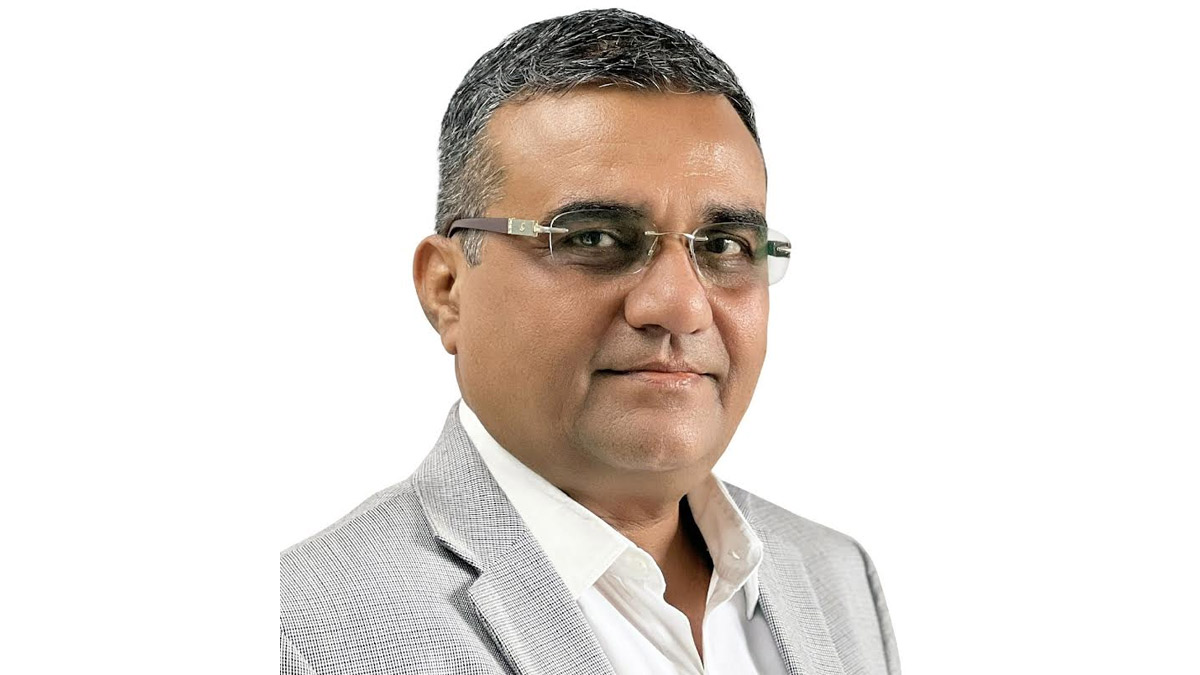
MUMBAI: A new chief, a fresh diagnosis and a sharper prescription for growth. Beacon Group has appointed Dr Rajesh Patel as its Group Chief Executive Officer, effective April 1, 2026, signalling a decisive push to scale its presence in the diagnostics and IVD space. Patel steps into the role with 36 years of experience across the healthcare and diagnostics industry, bringing a career shaped by leadership roles spanning sales, marketing, business development and operational strategy. His mandate is both expansive and precise: to steer the group’s overall strategic direction while tightening coordination across its three core entities Beacon Diagnostics, Vector Biotek and Biogeny Diagnostics.
In practical terms, that means driving cross-company synergies, accelerating market expansion and strengthening organisational capability areas increasingly critical as diagnostic players compete for scale in a fragmented yet rapidly evolving healthcare ecosystem. The group is positioning itself to capture unmet demand across chain laboratories, key accounts and standalone labs, segments that remain underserved despite growing diagnostic needs.
The appointment comes at a time when the In Vitro Diagnostics (IVD) sector in India is entering a more competitive and innovation-led phase, with companies focusing not just on product pipelines but also on service delivery, integration and customer-centric models. Beacon’s leadership appears to be betting that Patel’s execution-focused approach can help translate ambition into operational momentum.
Welcoming the appointment, Chairman Dr D K Joshi described Patel’s induction as a strategic move aligned with the group’s long-term vision, emphasising the role of leadership depth in navigating the next phase of growth.
For Beacon Group, the message is clear, in a sector where precision matters, leadership is the new differentiator—and this appointment is intended to set the tone for what comes next.






