Brands
Mobile-based TV channel launched by young grads


MUMBAI: A group of graduates from Thiruvananthapuram in Kerala have launched a TV channel called ‘We 4 U’, the first 2G/3G mobile TV channel. The channel can be accessed anywhere in the world.
The engineering graduates said that their intention was to promote local news and events.”This is an era of mobile revolution and so we have decided to launch a television channel based on mobile technology,” said Aravid S G one of the founders. The channel can also be viewed on desktops, laptops, tablets, iPads but not on TV.

The channel is going in its test phase soon and will focus on local news and events such as programmes of residence associations and the youth. It will run for 24 hours and will be supported on all platforms such as Java and Android.
Tie ups are being planned with other TV networks for expansion. For now the channel will be available at normal rates.






Brands
IndiGo names William Walsh CEO
Former IATA chief to take charge in August after Elbers exit, Bhatia steers interim
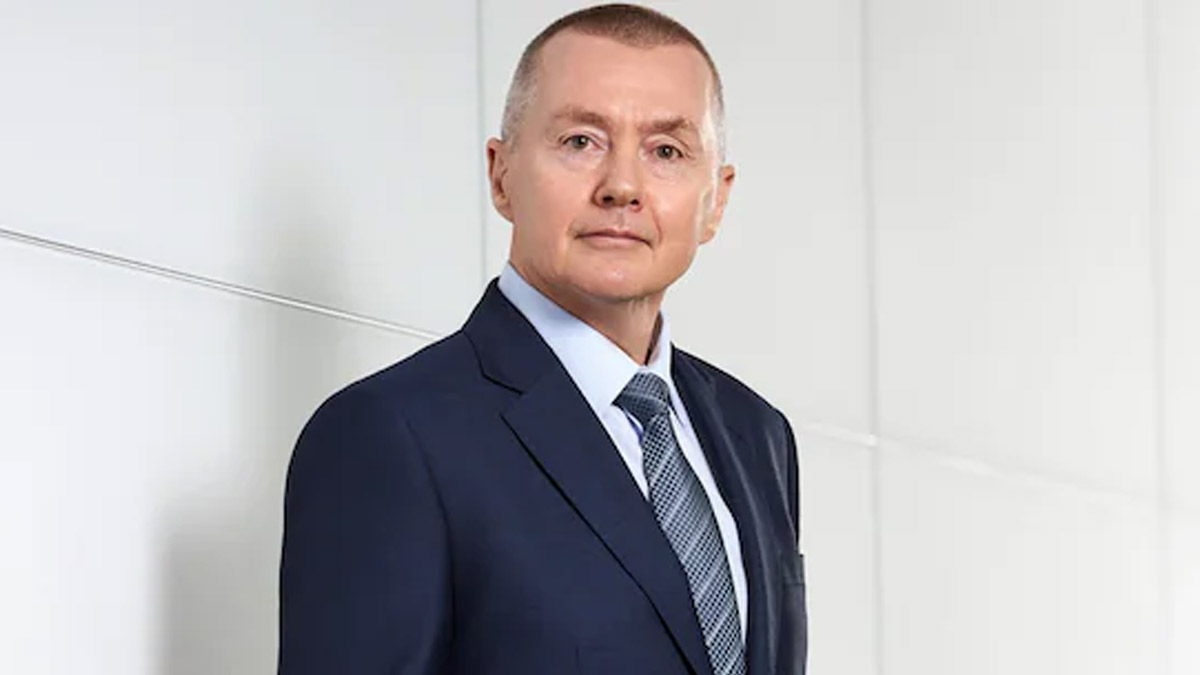
India’s biggest airline has moved fast and gone global. InterGlobe Aviation, which operates IndiGo, has tapped aviation heavyweight William Walsh as chief executive officer, subject to regulatory approvals, marking a sharp pivot as the carrier eyes its next burst of expansion.
Walsh, currently director general at the International Air Transport Association, will step down on July 31, 2026, and is expected to take charge by August 3. The appointment comes barely three weeks after Pieter Elbers exited the corner office, with Rahul Bhatia holding the fort in the interim.
The choice signals intent. Walsh brings decades of cockpit-to-boardroom experience, having led British Airways and later International Airlines Group, the parent of Aer Lingus, Iberia and Vueling. His tenure across carriers has been defined by hard resets, restructurings and cross-border consolidation—skills IndiGo may need as competition intensifies and scale becomes decisive.
Vikram Singh Mehta, chairman and non-executive independent director of IndiGo, said Walsh’s experience in managing large-scale airline operations and navigating complex market dynamics makes him well-suited to lead IndiGo in an increasingly competitive global aviation environment, adding that the appointment marks a new chapter as the airline scales in one of the world’s fastest-growing markets.
Rahul Bhatia said Walsh’s global perspective, operational expertise and customer-focused approach would be critical as IndiGo enters its next phase of expansion.
Walsh, widely regarded as one of the industry’s most influential figures, will oversee overall management and strategic direction, with a mandate spanning operational performance, network expansion, commercial strategy and customer experience. He is expected to work closely with the board and leadership team to sharpen IndiGo’s growth trajectory.
Walsh said IndiGo has a strong foundation and is well-positioned to capitalise on the evolving aviation landscape, adding that he looks forward to fostering a culture of excellence, innovation and sustainable value creation across the organisation.
A new captain, a bigger runway—and a market that rewards scale. IndiGo is lining up for its next take-off.









