MAM
Mip London sets the agenda for Docs and Factual Storytelling


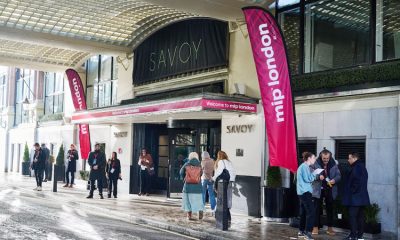
PARIS: Mip London has revealed the documentary and factual highlights for its second edition, promising big ideas, bold conversations and smart insights when the international TV and streaming market returns to London from 22 to 24 February 2026.
Taking over the IET London and The Savoy, the market’s first two days will shine a spotlight on environmental storytelling, new funding models and data-driven thinking, all wrapped in a programme designed to be as accessible as it is ambitious.
One of the standout moments will see award-winning broadcaster and conservationist Chris Packham take the stage alongside physician and filmmaker Sofia Pineda Ochoa. Their feature documentary Greenwashed will be showcased on Monday 23 February, followed by a Q&A that digs into the uncomfortable truths behind environmental narratives and the urgent action they demand. Expect passion, provocation and plenty to talk about long after the lights go up.

Sunday 22 February will bring an expanded Doc and Factual Co-Production Summit at The Savoy, building on last year’s popular round-table format. Leading voices from SVT, Quintus Studios, Deep Fusion Films, LADbible Group, Zinc Media and ZDF Studios will host discussions aimed at sparking meaningful partnerships. Curated by Storyboard Studios founder Natalie Humphreys, the summit forms part of a wider push for structured networking, including speed matchmaking across the market.
Data takes centre stage on opening day too. Ampere Analysis co-founder Guy Bisson will unpack where documentary and factual entertainment is thriving, while Mothership Media Consultancy’s Beatrice Rossmanith will outline the editorial trends shaping the genre. The back-to-back sessions are designed to give buyers and producers a clear-eyed view of what works, and what comes next.
Funding in the new content economy will also be under the microscope. On Monday afternoon, filmmaker Benjamin Zand and other genre specialists will explore emerging models for factual storytelling, in a session chaired by The Bridge founder Amanda Groom.
These sessions sit within a wider Mip London conference programme covering microdramas, the creator economy, streaming and AI, all under the theme “Joining the Dots: Finding the Value”.
With more than 450 international buyers already confirmed, including executives from Amazon Studios, Netflix, BBC, Disney, ZDF and National Geographic, Mip London is positioning itself as a lively meeting point where ideas travel fast and stories find new life.






MAM
WPP appoints Estée Lauder’s Anne-Isabelle Choueiri as chief transformation officer
Former Estée Lauder executive to lead operations, technology and culture overhaul under WPP’s three-year growth plan
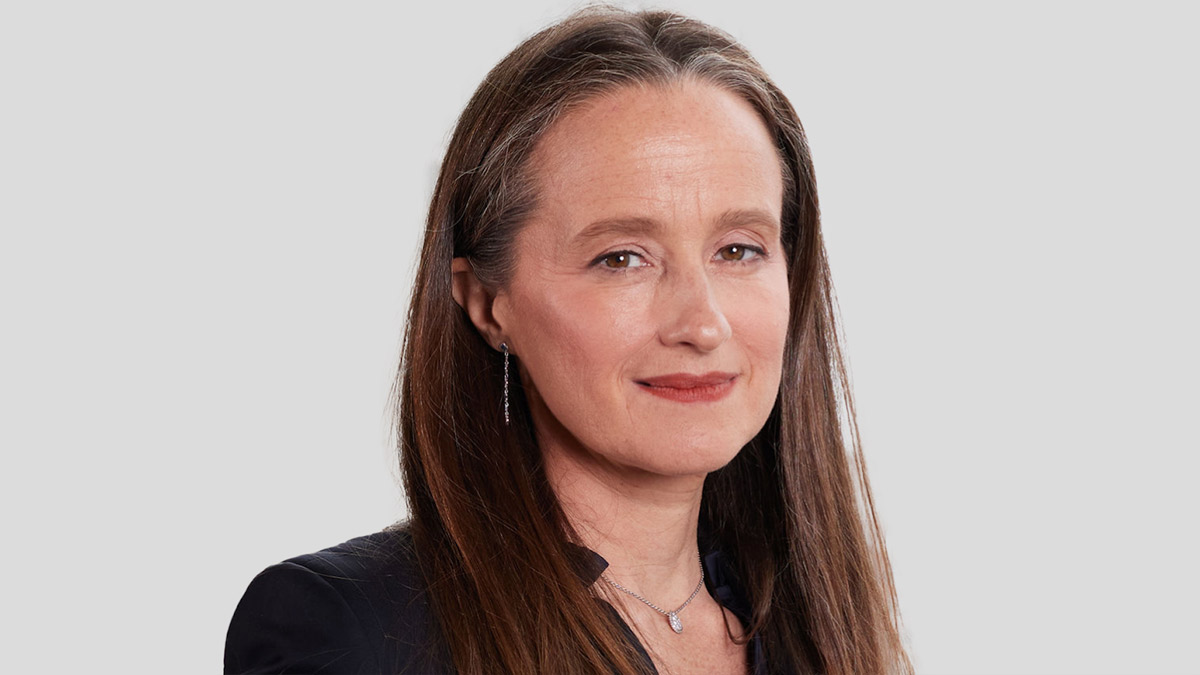
LONDON: WPP has appointed Anne-Isabelle Choueiri as chief transformation officer in a newly created role tasked with delivering the group’s Elevate28 strategy.
Choueiri joins from The Estée Lauder Companies, where she led enterprise-wide strategic initiatives, including the “One ELC” operating model and major upgrades to enterprise marketing, data and analytics capabilities. She also led the redesign of enterprise technology teams and served on the company’s AI taskforce, driving AI strategy, adoption and value realisation across the business.
At WPP, she will be responsible for designing, implementing and embedding the operating model behind Elevate28, the company’s three-year growth plan unveiled in February 2026. She will lead efforts to improve innovation, efficiency and integration across WPP’s client offerings, with a focus on delivering agile, outcome-driven solutions and measurable growth.
Choueiri will oversee organisational transformation across the group, working closely with product and enterprise technology teams to deploy AI, data and technology to build new capabilities and improve operational performance. She will also work with the people function to embed cultural change, strengthen an agile performance mindset and support talent development across the organisation.
Before joining Estée Lauder, she held senior roles across consulting and digital agencies, including at Accenture, Masaï (a Bain & Company spin-off), and Kearney, with experience spanning strategy, data and digital marketing transformation.
Cindy Rose, chief executive officer of WPP, said Choueiri brings a strong track record of leading large-scale transformation across operations, technology and culture, adding that her appointment will help accelerate the group’s next phase of growth under Elevate28.
Choueiri said WPP’s strategy represents an ambitious opportunity to reshape how the company operates and delivers for clients, adding that she looks forward to building integrated solutions and fostering a culture of innovation and change.
She will be based in New York and will join WPP’s executive committee.







