MAM
Mindshare appoints John Thangaraj as head – strategy (North)


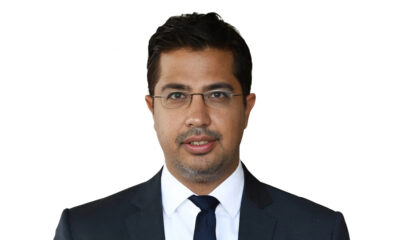
MUMBAI: Mindshare has appointed John Thangaraj as the head of strategy for the Northern region. In his new role, John will be responsible for the Mindshare strategy product across Delhi clients.
Commenting on what he hopes to achieve at Mindshare John said, “First and foremost, I hope to future proof myself. I have a strong belief in the fact that ‘advertising‘ as is currently practiced in India does not have a shelf life of more than a decade (at the very most).”
Announcing the appointment, leader – strategy (South Asia) Alok Sinha said, “We are glad to welcome John to Mindshare and the extended GroupM family. He’s got category and industry experience, and is a great team leader. I am confident he will be able to lead the strategy division to even greater heights.”

 |
|---|
|
John will be responsible for the Mindshare strategy product across Delhi clients
|
Mindshare leader South Asia Ravi Rao said, “I am pleased to welcome John. He has the combination between being imaginative, strategic and entrepreneurial that our strategy community and clients need. Consumption of information and entertainment is rapidly moving screens and I feel that Mindshare is on the cutting edge of optimizing and leveraging this. ‘Digital‘ has become a buzz word we all love to throw around, and I am looking to Mindshare to help me make the journey from ‘thinking about digital‘ to ‘thinking digitally‘. Perhaps most of all, Mindshare represents a new journey for me- new skills to acquire, new people to meet and new challenges to deal with. Which is what excites me the most about it.”
John has over 12 years of work experience spanning a marketing role at Adidas, a research role at Quantum and as head of strategic planning for Redifffusion Y&R. In his last role John was vice president – strategic planning at Lowe, where he was responsible for the product planning on a cluster of brands that included Wills Lifestyle, Nestle Confectionary, Hindustan Times, Dabur Real, Shine.com, Woodland, Expedia.co.in and OLX.in.
John is extremely proud of the Effie’s and Cannes that he has worked hard to win over the years. These include – Effie 2010 for Hindustan Times‘ ‘It Is Time‘ brand campaign, Effie 2012 for Hindustan Times‘ ‘You Read, They Learn‘ campaign, and Media Lion at Cannes 2013for Best Use of Print for Hindustan Times‘ ‘You Read, They Learn‘.
He is also very proud of the work that he did when he led a global strategic project for LG Korea in 2009 on understanding the super affluent consumers in India.






MAM
Beacon Group appoints Dr Rajesh Patel as Group CEO
36-year healthcare veteran to lead Beacon Diagnostics, Vector Biotek, Biogeny.
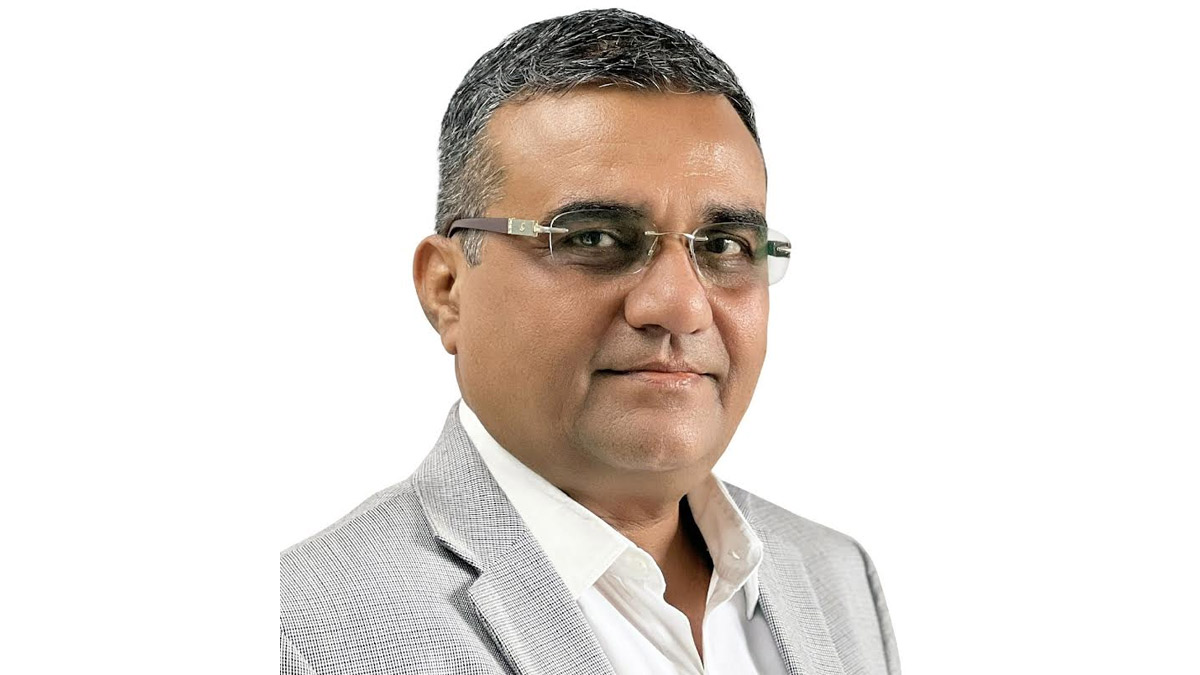
MUMBAI: A new chief, a fresh diagnosis and a sharper prescription for growth. Beacon Group has appointed Dr Rajesh Patel as its Group Chief Executive Officer, effective April 1, 2026, signalling a decisive push to scale its presence in the diagnostics and IVD space. Patel steps into the role with 36 years of experience across the healthcare and diagnostics industry, bringing a career shaped by leadership roles spanning sales, marketing, business development and operational strategy. His mandate is both expansive and precise: to steer the group’s overall strategic direction while tightening coordination across its three core entities Beacon Diagnostics, Vector Biotek and Biogeny Diagnostics.
In practical terms, that means driving cross-company synergies, accelerating market expansion and strengthening organisational capability areas increasingly critical as diagnostic players compete for scale in a fragmented yet rapidly evolving healthcare ecosystem. The group is positioning itself to capture unmet demand across chain laboratories, key accounts and standalone labs, segments that remain underserved despite growing diagnostic needs.
The appointment comes at a time when the In Vitro Diagnostics (IVD) sector in India is entering a more competitive and innovation-led phase, with companies focusing not just on product pipelines but also on service delivery, integration and customer-centric models. Beacon’s leadership appears to be betting that Patel’s execution-focused approach can help translate ambition into operational momentum.
Welcoming the appointment, Chairman Dr D K Joshi described Patel’s induction as a strategic move aligned with the group’s long-term vision, emphasising the role of leadership depth in navigating the next phase of growth.
For Beacon Group, the message is clear, in a sector where precision matters, leadership is the new differentiator—and this appointment is intended to set the tone for what comes next.






