Brands
Milton and Kala Ghoda Unite for artful sustainability revolution


Mumbai: Milton, a one of the leading in-home essentials announced its partnership with the Kala Ghoda Art Festival, a celebration of art and culture held annually in Mumbai. This marks the first-ever collaboration between Milton and the prestigious festival, reinforcing the brand’s commitment to sustainability and cultural enrichment.
The Kala Ghoda Art Festival, organised by the Kala Ghoda Association, has been a cornerstone of Mumbai’s cultural scene since its inception in 1999. The nine-day extravaganza attracts art enthusiasts from across the nation and the globe, showcasing diverse sections such as dance, music, theatre, films, food, literature, heritage, architecture, stand-up comedy, children’s activities, and Visual art, making it a truly unique experience.
As Associate Sponsors of the event, Milton to play a vital role in supporting and propagating the message of environmental stewardship throughout the festival. The brand has curated a range of engaging activities aimed at cultivating a sense of environmental responsibility among festival-goers.

Key Initiatives by Milton at Kala Ghoda Art Festival:
Pledge gate at Rampart road: An interactive installation featuring Milton’s colored steel bottles, allowing participants to scan a QR code and take a pledge to reduce or reuse single-use plastics.
Plastic to steel installation at cross-maidan: A compelling art installation encouraging attendees to abandon plastic in favour of sustainable steel alternatives.
Gaming engagement kiosk: A fun-filled kiosk featuring engaging games like ring-throw, aimed at educating and entertaining participants about sustainability.
Food workshops with Milton procook cooking range: Renowned chefs will lead engaging food workshops, shedding light on the significance of utilizing food-grade and sustainable materials in cookware for enhancing the culinary experience and promoting eco-friendly practices.
Instagram booth – ProCook avatar: Created an Instagram booth that captures the essence of culinary expertise. The installation features an Instagram feed post visual of a chef effortlessly tossing veggies in a pan, showcasing culinary skills. It includes a cutout for the face, allowing visitors to stand behind it and click pictures, creating a Pro Cook avatar experience. Festival-goers can immerse themselves in the world of professional cooking, adding a fun and interactive element to the overall experience.
In addition there will be “Art Competition for Children” providing a creative platform, with the winning drawing featured on a limited edition Milton bottle. Moreover, Milton will be offering “Limited Edition Kala Ghoda Bottles” exclusively for sale on its website, allowing attendees to take home a piece of the festival while promoting sustainability.
Speaking on the collaboration, Hamilton CSR head Manisha Vaghani said, “As Milton joins hands with the Kala Ghoda Art Festival, we are excited to contribute to the vibrant cultural tapestry of Mumbai and champion the cause of sustainability. These initiatives underscore our dedication to making a positive impact on both cultural experiences and environmental consciousness.”
Kala Ghoda Association, chairperson Brinda Miller added, “We are excited to embrace Milton’s steadfast commitment to elevating the festival experience and leading the way in championing sustainability. This strategic partnership introduces a fresh and dynamic perspective to our celebration of art and culture. We are confident that this collaboration will not only enhance the overall attendee experience but also serve as an inspiration for a broader audience to wholeheartedly embrace the essential intersection of art and sustainability.”




Brands
Samsung certifies 1,000 Maharashtra students in AI and coding
The South Korean electronics giant marks its first large-scale skilling push in the state, with women making up nearly half the national programme’s enrolment
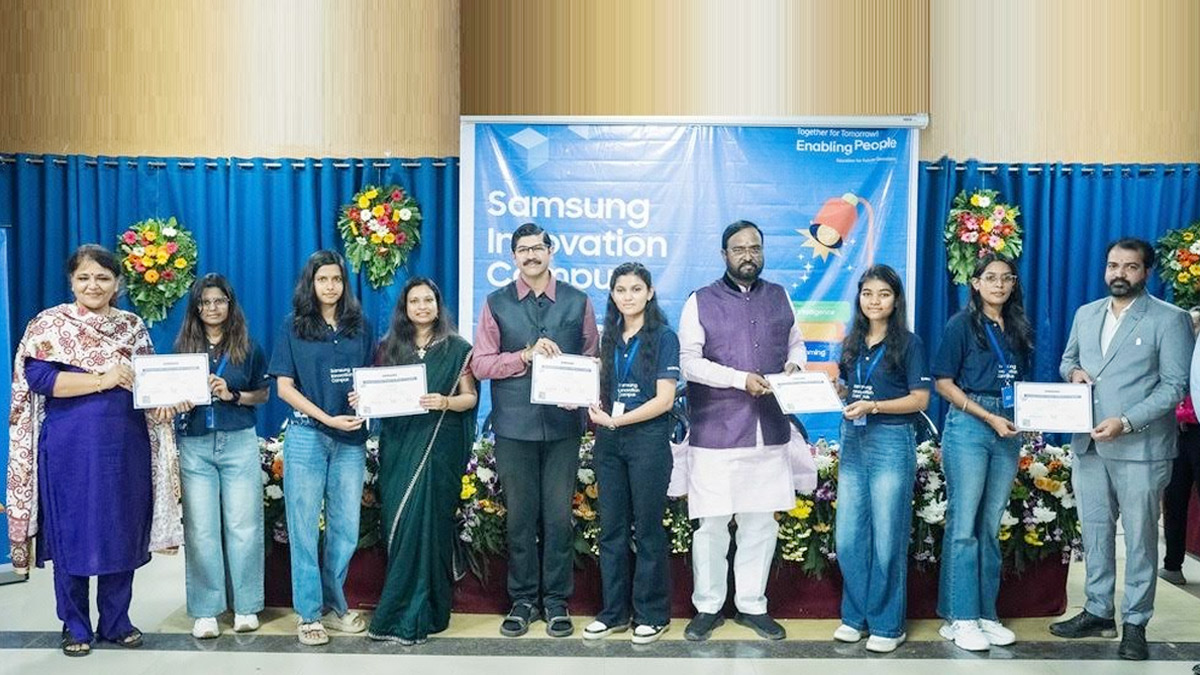
PUNE: Samsung has put 1,000 students in Maharashtra through a certified training programme in artificial intelligence and coding, the largest such drive the South Korean electronics company has run in the state and a signal that corporate India’s skilling ambitions are moving well beyond the boardroom brochure.
The certifications were awarded under Samsung Innovation Campus (SIC), the company’s flagship corporate social responsibility programme, which launched in India in 2022 with the stated aim of democratising access to future-technology education. The 1,000 graduates were drawn from four institutions: 127 from Savitribai Phule Pune University, 373 from Pimpri Chinchwad University, 250 from D.Y. Patil University’s Ramrao Adik Institute of Technology and 250 from Anjuman-I-Islam’s Kalsekar Technical Campus. All completed training in either AI or coding and programming, the two disciplines Samsung has identified as the critical pillars of the digital economy.
The programme does not stop at technical training. Soft-skills development and career-readiness modules are baked into the curriculum, a deliberate attempt to close the gap between what universities teach and what employers actually want.
“India’s digital growth story will ultimately be shaped by the quality of its talent pipeline,” said Shubham Mukherjee, head of CSR and corporate communications at Samsung Southwest Asia. “As technologies like AI move from the periphery to the core of industries, skilling must evolve from basic training to building real-world capability. This milestone in Maharashtra reflects how industry and academia can come together to create a future-ready workforce that is both globally competitive and locally relevant.”
The Maharashtra drive sits within a rapidly scaling national effort. Samsung Innovation Campus trained 20,000 young people across India in 2025, hitting its stated target for the year. Women account for 48 per cent of national enrolments, a figure the company cites as evidence of its push for an inclusive technology ecosystem. The programme is implemented in partnership with the Electronics Sector Skills Council of India and the Telecom Sector Skill Council.
Samsung, which is marking 30 years in India this year, runs SIC alongside two other initiatives, Samsung Solve for Tomorrow and Samsung DOST, as part of a broader effort to build what it calls a generation of innovators with both the technical depth and the problem-solving mindset to thrive in a fast-moving digital world.
A thousand certified students is a tidy headline. Whether they find jobs that match their new skills is the harder question, and the one that will ultimately determine whether corporate skilling programmes like this one are genuine pipelines or well-photographed gestures.






