Digital
MilliporeSigma partners with IAS to drive strong programmatic outcomes


MUMBAI: Integral Ad Science (IAS) has launched an insightful case study in collaboration with MilliporeSigma, the life science business of Merck KGaA, Darmstadt, Germany. The study aimed to demonstrate the effectiveness of IAS’s Total Visibility solution in driving quality path optimisation (QPO) for MilliporeSigma by unlocking premium-quality media, maximising performance, and lowering costs in near real time across programmatic buys.
MilliporeSigma sought to optimise media quality metrics, including brand safety and viewability, to achieve superior campaign outcomes. However, a lack of transparency into where the impressions were served posed a significant challenge in making informed decisions and driving campaign effectiveness.
By leveraging IAS’s post-bid media measurement and its Total Visibility solution, MilliporeSigma achieved holistic financial transparency across its programmatic supply path. It pinpoints exactly where dollars were going and how much of it was being lost to fraud, unsafe brand environments, and unviewable inventory. Through continuous optimisation of domains and placements, MilliporeSigma strategically redirected investments toward high-performing signals, enhanced brand safety, and reduced low-quality impressions, all while aligning with evolving benchmarks and standards.

The campaign launched in May 2024 across channels including desktop, display, tablet, video, and phone:
Results:
53 per cent improvement in Quality Impressions
59 per cent improvement in Viewability

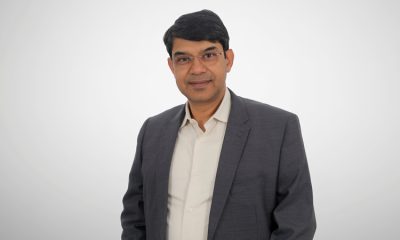
After the campaign ended, we noted a significant improvement in viewability, traffic quality, and cost-effectiveness. Merck Group, paid media lead, digital marketing, Saurav Kumar said, “ I’d like to extend sincere thanks to IAS for their exceptional support and collaboration in helping MilliporeSigma to improve the viewability rate from 50 per cent to an impressive 75 per cent, surpassing the global benchmark. Using Total Visibility has been a game changer that helped increase the Quality Impressions by a massive 53 per cent. This achievement results from IAS’s proactive insights, continuous optimisation recommendations, and a seamless partnership throughout the process. The team’s responsiveness and strategic guidance were key in reaching this milestone. We truly appreciate the commitment to excellence and look forward to continuing this successful collaboration”.
“As programmatic adoption accelerates, brands that prioritise high-quality, viewable, and brand-safe environments along the supply chain are poised to stand out. It brings greater transparency, efficiency, and control to their media buys, while reducing waste and safeguarding brand equity. The IAS and MilliporeSigma collaboration showcases how advanced measurement solutions significantly enhances media performance and deliver meaningful outcomes,” said IAS country manager of India, Saurabh Khattar.





Digital
OpenAI’s Stargate lead Peter Hoeschele exits with two senior leaders
Trio behind compute push set to join new startup amid leadership reshuffle
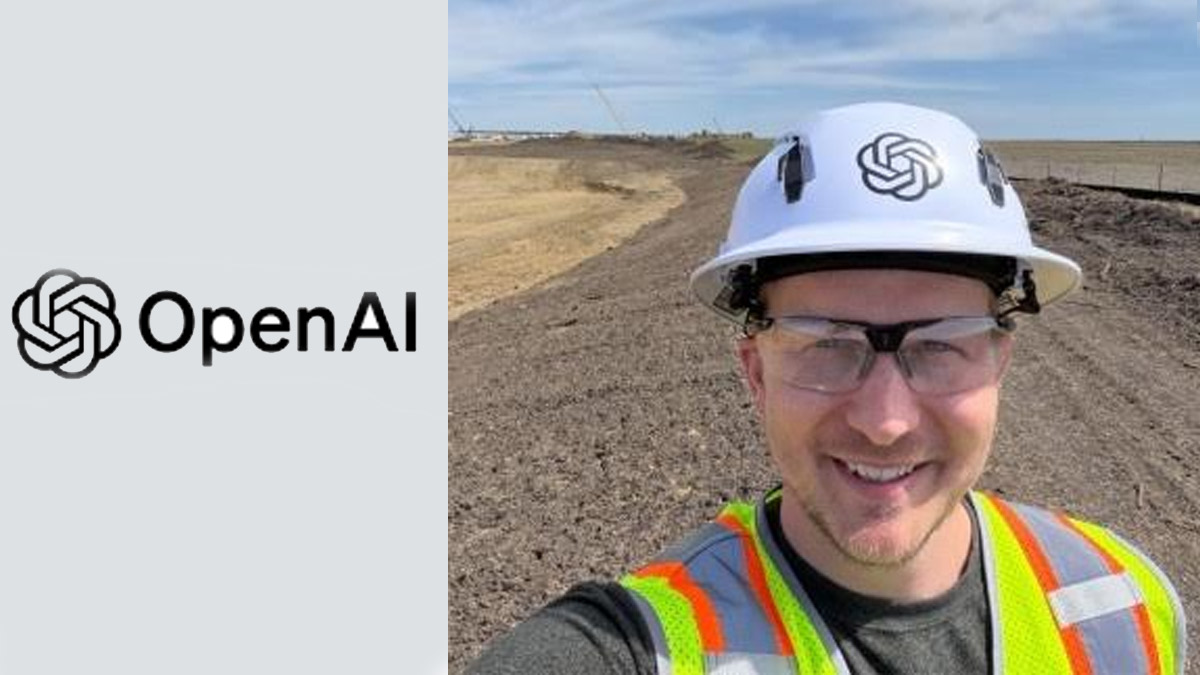
SAN FRANCISCO: Peter Hoeschele, a key figure behind OpenAI’s early Stargate data centre initiative, has exited the company, according to a report by The Information.
The departure is part of a broader leadership shift, with two other senior executives, Shamez Hemani and Anuj Saharan, also set to leave in the coming days. All three are expected to join the same new startup, although details about the venture remain under wraps.
The trio played a central role in OpenAI’s Stargate effort, an initiative aimed at building large-scale data centre capacity in-house to reduce reliance on external infrastructure providers. Their exits mark a notable moment for the company’s compute strategy as it continues to scale rapidly.
OpenAI spokesperson said in a statement to The Information, “We’re grateful for the contributions Peter, Shamez, and Anuj have made to OpenAI and wish them the very best in what comes next.” The company also pointed to the recent appointment of Sachin Katti to lead its industrial compute organisation, signalling continuity in its infrastructure roadmap.
OpenAI has indicated that it does not plan to directly replace Hoeschele’s role, suggesting a possible restructuring of responsibilities within the team.
As competition intensifies in the race to build next-generation AI systems, leadership changes in core infrastructure teams are likely to draw close attention. For now, the spotlight shifts to what this departing trio builds next, and how OpenAI adapts as it scales its ambitions.