MAM
Menstrual equity and gender inequality are inextricably linked: Shally Mukherjee


Mumbai: There are 500 million women worldwide who are experiencing ‘period poverty’ i.e., lack of access to menstrual products, education, hygiene facilities, waste management, or a combination of these. Recently, Miss Universe Organisation, social entrepreneur Arunachalam Muruganantham, social impact agency DDB For Good, and humanitarian organisation Plan India formed a social impact alliance to address the issue of menstrual equity.
The initiative, which will be piloted in India, will lead efforts to raise awareness, education, policy and access to sustainable resources and products for menstrual equity. In India, 62 per cent of young women and girls do not have access to safe menstrual care, according to a study. The campaign will go global in the coming years.
The coalition’s goal is to achieve menstrual equity for five million women and girls by 2025 in India. Plan India will act as the on-ground NGO partner to drive the mission while DDB For Good in partnership with philanthropic consulting firm Change Our World will mobilise the public using creative storytelling to raise funds for the platform. Both DDB For Good and Changing Our World are a part of the Omnicom Group. Muruganantham aka ‘Padman’ will help the coalition set up affordable manufacturing units in geographies and communities most affected by period poverty that will be run by the women and girls themselves.

In the past, DDB For Good has worked with Udhyam, a non-government organisation that works in the space of building entrepreneurial mindsets. They were the communications partner for Unicef on the Yuwaah initiative during Covid. The agency created and led the ‘Team For Humanity’ platform to raise funds for families who lost their breadwinners in the second wave of Covid.
DDB For Good founder and head Shally Mukherjee has over a decade of experience understanding issues around menstrual equity through her work on some of the leading brands (P&G) in the category, not just in India but globally. In conversation with IndianTelevision.com, she speaks about the role of menstrual equity in addressing the larger problem of gender inequality and more.
Edited Excerpts:
On the link between menstrual equity and gender inequality
Menstrual equity in its entirety can be defined as the ability of every woman to manage her menstruation experience with dignity, safety and confidence. More specifically, it entails menstrual awareness for her and the society in general, access to hygienic menstrual products, safe disposal spaces and elimination of taboos.
Menstrual equity and gender inequality are inextricably linked. In my opinion, it’s the root cause. Gender inequality intensifies when a girl gets her first period, with taboos and a list of do’s and don’ts. These are impressionable years for a girl and she gets shaped by what she is told and what she experiences. Menstrual poverty leads to not just a physically traumatic menstrual experience for her but mental and social as well, during her growth years. And thus the inequality in her own mind and those of others around her begins. The more measurable and tangible effects are girls dropping out of school, leading to a loss in education and hence lesser participation in the workforce as they grow up. Leading further to the vicious cycle of intensification of gender inequality and everything that lack of education means.
On the coalition solving the issue on menstrual poverty
The Global Coalition for menstrual Equity is a global call to end menstrual poverty. It’s a platform created to invite partners who can help scale up the effort in the space because the issue is huge and widespread.
Each founding member brings a unique ability to scale up the effort in this space. Ms Universe 2021 Harnaaz Kaur Sandhu is a huge influencer and can leverage her reach and popularity to create change. Miss Universe Organisation has a reach of 90+ countries through a network of influencers. Plan India is a nationally registered NGO that will be the on-ground implementation partner, with not just reach across the country but also expertise in the space of menstrual equity. Plan India is a member of the Plan International Federation, and the coalition will leverage their reach in 70+ countries to scale this globally. Padamshree Mr. Arunachalam Muruganantham, aka Padman, is a social entrepreneur, who has done pioneering work in the space of period poverty alleviation and the coalition will leverage his expertise and affordable pad production machines to create access for menstrual products. DDB for Good brings in subject matter expertise, with almost a decade of work in this space. In addition, DDB For Good and Changing Our World have the expertise to create collaborative platforms, such as this, to create a pool of resources, expertise and influence for at-scale impact.
On the blueprint of the initiative
Creating regular access to safe, hygienic and affordable sanitary products is at the centre of our program as we kick this off. However, we will also be addressing the two other key pillars of awareness and taboos.
Other than addressing the awareness, taboos, disposal and access issue, it is extremely important to bring boys and men into the conversation.
On the communication strategy
The coalition has just kicked off. We are working through the mass communications strategy. There are several pillars that need to be addressed. For now, the organic PR and the social media attention that the coalition is getting is proving to be adequate to spread awareness about the platform. The coalition announcement has garnered a huge response from several organisations and entities to participate and support. We are currently in conversation with potential partners.
On the progress of the initiative
We have an ambition of creating menstrual equity for five million girls and young women in India by 2025. We will also be launching the program in some other markets across the globe this year.



MAM
Wagh Bakri Tea Group appoints Tushar Tripathi as new CEO
Long-serving COO steps up to lead the tea major’s next phase of growth.
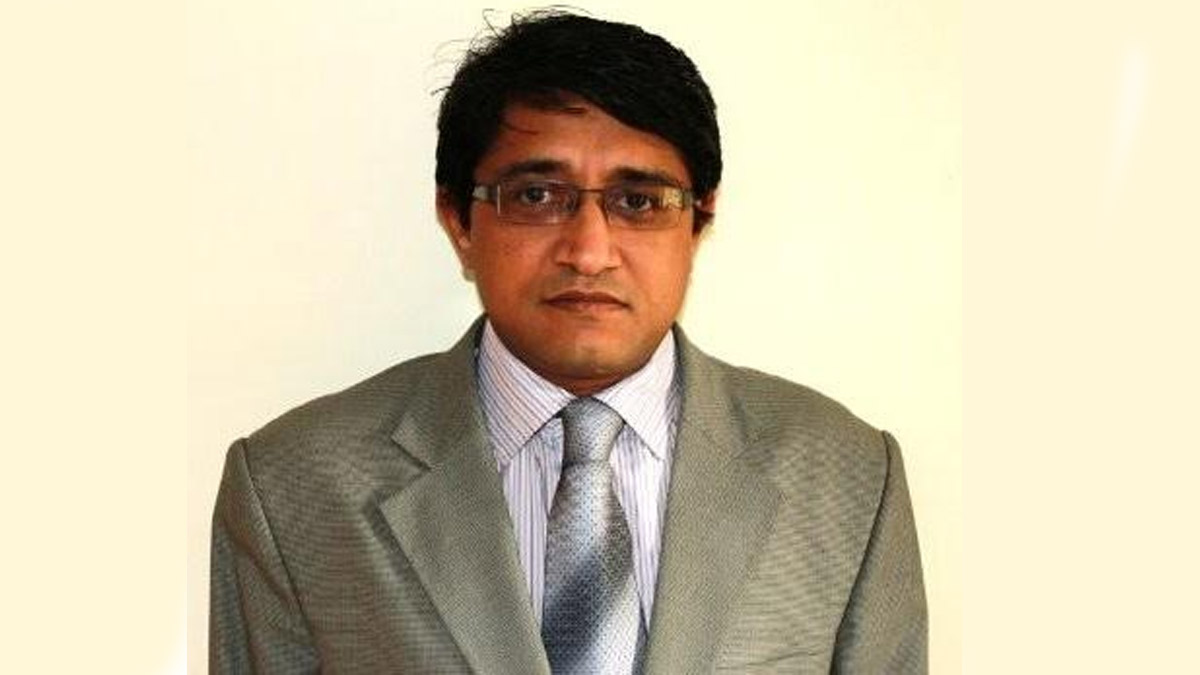
MUMBAI: Wagh Bakri Tea Group has found the perfect blend for its future leadership promoting from within. The company has announced the appointment of Tushar Tripathi as its new Chief Executive Officer (CEO). Tripathi, who previously served as Chief Operating Officer, brings over 17 years of deep experience within the organisation and will now steer its overall business strategy, operational efficiency, and long-term value creation.
In his earlier role, Tripathi led Plant, Operations, and Projects, playing a key part in enhancing operational excellence. His notable contributions include introducing the first Automated Storage & Retrieval System (ASRS) in India’s tea industry, implementing global quality and food safety standards, establishing a NABL-accredited quality lab, and expanding the company’s manufacturing and distribution networks.
Speaking on his appointment, Tushar Tripathi said, “I am deeply honoured to take on this responsibility at Wagh Bakri. It has been a privilege to contribute to the Group’s journey, and I look forward to working with our teams to strengthen innovation, enhance efficiency, and create sustainable value for all stakeholders.”
Wagh Bakri Tea Group executive director Paras Desai added, “Mr Tushar Tripathi has been an integral part of our leadership team for many years. His deep operational insight, commitment, and balanced leadership approach make him the ideal choice to guide Wagh Bakri into its next phase of growth.”
Tripathi holds a BE in Mechanical Engineering and has completed management development programmes in project management and logistics from leading Indian Institutes of Management (IIMs).
With this internal elevation, Wagh Bakri Tea Group is signalling continuity and confidence in its home-grown talent as it looks to accelerate innovation and sustainable growth in the competitive tea industry.
In the world of tea, where the right infusion makes all the difference, Wagh Bakri has chosen a leader who already knows every leaf and layer of the organisation. The future, it seems, is brewing smoothly under Tripathi’s watch.







