MAM
MEASAT elevates Alex Tan to senior sales director

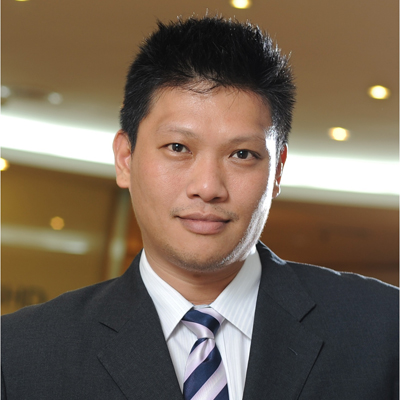
MUMBAI: MEASAT Satellite Systems (MEASAT) has elevated Alex Tan from sales director to senior sales director – Telecoms & VAS (Asia Pacific). In his new role, Tan will continue to lead the Asia -Pacific telecom’s sales team with focus on growing MEASAT’s business across the region.
Tan joined MEASAT in 2008. During his six years with the satellite operator, Tan has raised MEASAT’s profile building relationships with leading telecom operators, oil & gas service providers, Malaysian GLCs (Government-Linked Companies) and VSAT operators.

He has over 17 years of experience in the satellite and telecommunications industry. Prior to joining MEASAT, Tan served as senior regional manager, business development with SpeedCast, focusing on development of VSAT business within South East Asia, Indochina and Central Asia.
Tan holds a Bachelor of Engineering in Electronic Engineering, majoring in telecommunications. He graduated with Honours (2nd Class Upper) from University of South Australia, Australia.
In another development, MEASAT is all set to reveal its updated corporate image on 17 June 2014 during CommunicAsia. The revised corporate image, rooted in the previous branding introduced in 2006, introduces additional colors to reflect the changes in the organisation over the past eight years.



MAM
Tata Communications CEO A S Lakshminarayanan retires
Seasoned leader hands over reins after guiding the company through key growth years.
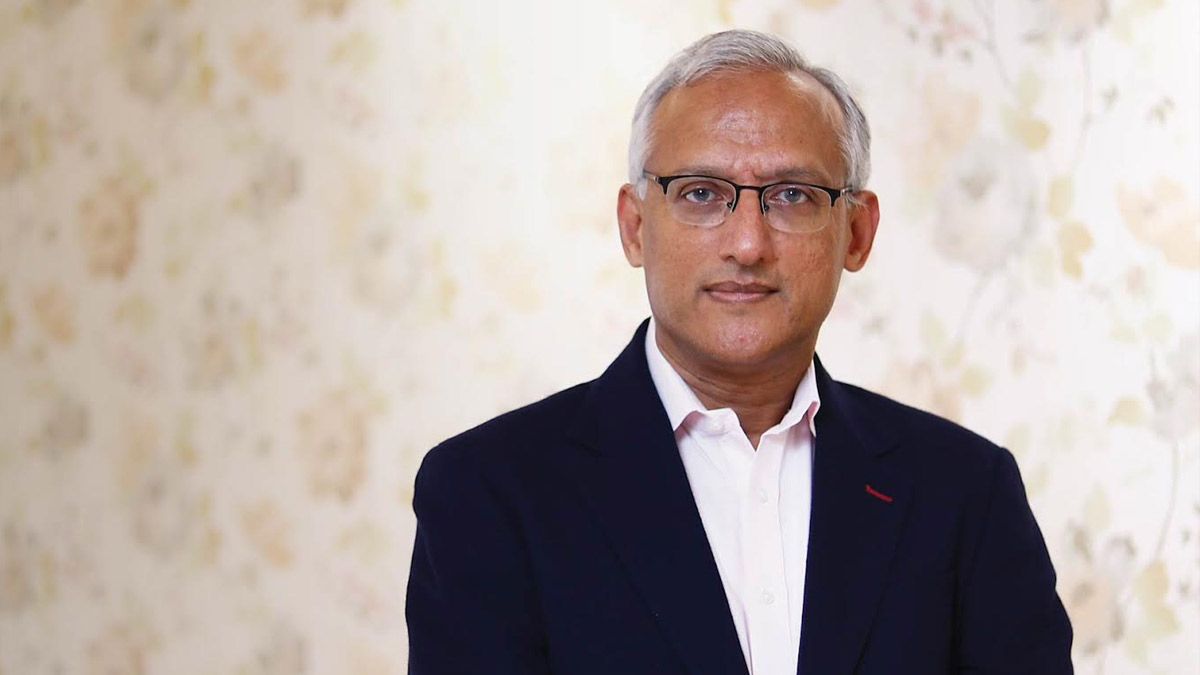
MUMBAI: Tata Communications is turning a new page and this time, the chapter is being written by a fresh voice from the same trusted book. The company has announced the retirement of its managing director and chief executive officer, A S Lakshminarayanan, effective at the close of business on 13 April 2026. Lakshminarayanan’s departure marks the end of a significant chapter in the company’s leadership journey.
The board expressed appreciation for his contributions during his tenure, acknowledging the role he played in shaping the organisation. In January 2026, the board had already appointed Ganesh Lakshminarayanan as managing director and CEO (Designate), ensuring a smooth leadership transition.
Ganesh Lakshminarayanan brings over three decades of experience across domestic and global enterprises. He currently serves as Managing Director and Group Vice President at ServiceNow India, where he has focused on driving enterprise adoption of AI-led digital transformation and strengthening go-to-market capabilities. Prior to this, he led Bharti Airtel’s enterprise business as CEO of Airtel Business and earlier headed its Enterprise division. His career also includes roles as Chief Operating Officer at Capillary Technologies, along with advisory positions at Ernst & Young and Sequoia Capital.
The transition reflects Tata Communications’ focus on continuity while bringing in fresh perspectives to navigate the rapidly evolving digital infrastructure landscape.
In the fast-moving world of global communications, leadership changes are like well-timed signal switches necessary to keep the network strong and the journey smooth. As A S Lakshminarayanan steps down, Ganesh Lakshminarayanan steps up, ready to carry forward the legacy while steering the company into its next phase of growth.







