MAM
Max rethinks ‘size labels’ and introduces its new youth-centric brand Urban

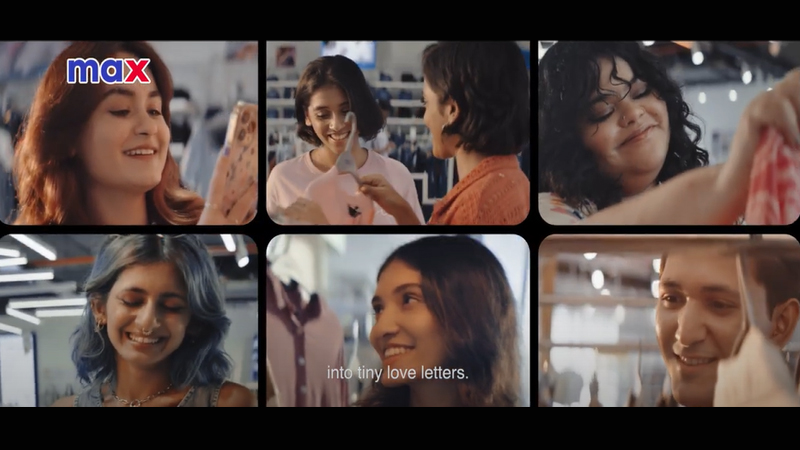
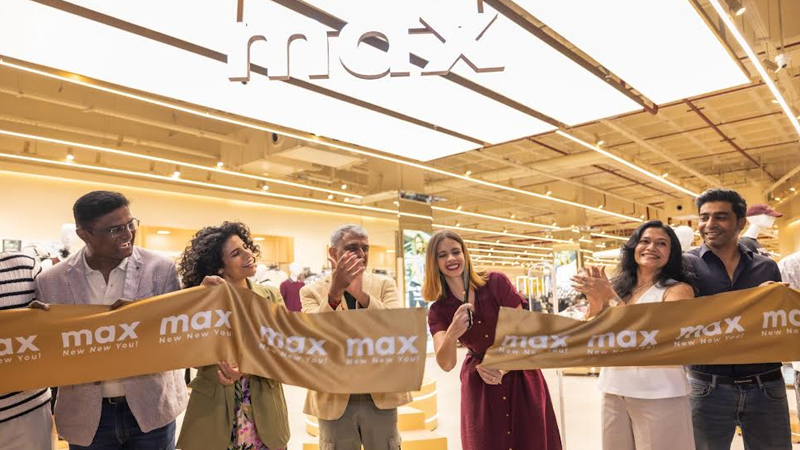
Mumbai: A fashion conglomerate, Max Fashion announces the launch of Max Urban. Designed exclusively for the country’s burgeoning youth market, the brand aims to redefine style, self-expression, and the shopping experience for a youth market, Urban’s bold, progressive aesthetic product line is a reflection of today’s youth-confident, unapologetic and fearless!
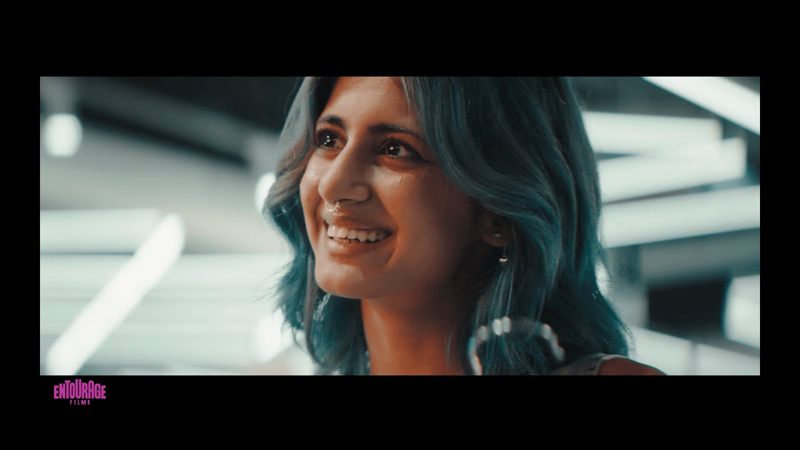
The “Love Labels” brand campaign from Max Urban takes a bold and empowering approach to size and fit. Rather than perpetuating traditional size labels, the campaign dispenses with the concept entirely redefining them as affirmations of self-love and body positivity. The campaign film follows a narrative that celebrates the diverse and ever-changing shapes and sizes of people. The brand aims to help customers find clothes that fit them perfectly, creating a unique shopping experience that uplifts and empowers them. The traditional size abbreviations of “XS,” “S,” “M,” “L,” “XL,” and “2XL” have been reimagined as inspiring labels like “Xtra Special,” “Stunning,” “Magical,” “Lit,” “Xtra Lit,” and “Xtra Xtra Lit.”
Max Urban president & deputy CEO Sumit Chandna exclaims, “Size labels can be a source of self-confidence and positive self-image for many shoppers, especially youth. We have made efforts to offer a more inclusive range of sizes and to use language that is empowering. At Max Urban, our ‘Love Labels’ campaign transforms size tags into affirmations of self-love, empowering you to feel confident in what you wear.”

The inaugural Max Urban collection, inspired by casual, vacay prints and tranquil patterns, will be available across the brand’s 500+ dedicated retail stores as well as on the newly launched www.maxfashion.in e-commerce platform. With amazing prices starting from just 199 INR, this collection makes the brand accessible to a wide swath of young shoppers.
Love Labels will be available at select 50+ stores across major cities, including Delhi, Mumbai, Bangalore, Kolkata, Hyderabad, Chennai, Lucknow, Trivandrum, Calicut, Guwahati, and Bhubaneswar, offering international fashion at great prices. The brand is committed to continually expanding the reach of the Love Labels, with plans to scale up the number of stores in the year.
As Max Fashion continues to evolve and expand its portfolio Max Urban will play a pivotal role in driving the organisation’s expansion – solidifying its position as a trailblazer in the Indian fashion industry and introducing international styles to the market, championing aspirations of a new generation.


MAM
WPP appoints Estée Lauder’s Anne-Isabelle Choueiri as chief transformation officer
Former Estée Lauder executive to lead operations, technology and culture overhaul under WPP’s three-year growth plan
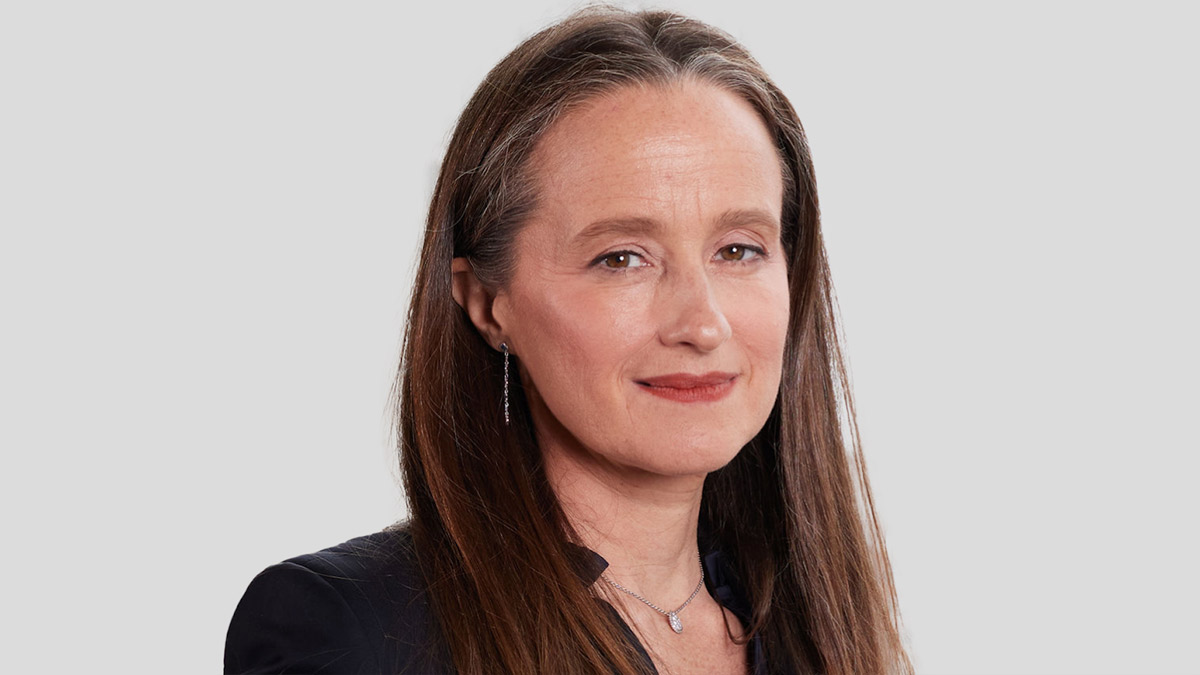
LONDON: WPP has appointed Anne-Isabelle Choueiri as chief transformation officer in a newly created role tasked with delivering the group’s Elevate28 strategy.
Choueiri joins from The Estée Lauder Companies, where she led enterprise-wide strategic initiatives, including the “One ELC” operating model and major upgrades to enterprise marketing, data and analytics capabilities. She also led the redesign of enterprise technology teams and served on the company’s AI taskforce, driving AI strategy, adoption and value realisation across the business.
At WPP, she will be responsible for designing, implementing and embedding the operating model behind Elevate28, the company’s three-year growth plan unveiled in February 2026. She will lead efforts to improve innovation, efficiency and integration across WPP’s client offerings, with a focus on delivering agile, outcome-driven solutions and measurable growth.
Choueiri will oversee organisational transformation across the group, working closely with product and enterprise technology teams to deploy AI, data and technology to build new capabilities and improve operational performance. She will also work with the people function to embed cultural change, strengthen an agile performance mindset and support talent development across the organisation.
Before joining Estée Lauder, she held senior roles across consulting and digital agencies, including at Accenture, Masaï (a Bain & Company spin-off), and Kearney, with experience spanning strategy, data and digital marketing transformation.
Cindy Rose, chief executive officer of WPP, said Choueiri brings a strong track record of leading large-scale transformation across operations, technology and culture, adding that her appointment will help accelerate the group’s next phase of growth under Elevate28.
Choueiri said WPP’s strategy represents an ambitious opportunity to reshape how the company operates and delivers for clients, adding that she looks forward to building integrated solutions and fostering a culture of innovation and change.
She will be based in New York and will join WPP’s executive committee.







