MAM
Matrix offers Indian cricket visitors huge Caribbean cellular bonanza

NEW DELHI: Matrix Cellular (International) Services has announced dirt cheap cellular package for visitors from India going to the West Indies to watch the World Cup, and estimates to earn a revenue of Rs 10 crore over the duration of the series, Gagan Dugal, MD, Matrix revealed to indiantelevision.com today.
This will be possible using Matrix’s pre-configured post-paid SIM cards designed for the occasion only.
The company is looking at high-spending tourists, expecting between Rs 10,000 to Rs 15,000 revenue per user over the period, and Dugal says that virtually everyone who is going there have bought his cards, specifically, the TV companies as newspaper reporters.

“Even a large number of Indian players and team management have bought our cards,” Dugal claimed, adding that another two entire teams are using their cards, though he would not reveal names of the countries.
They have tied up with Jamaica-based Cable and Wireless, and have acquired 2,000 lines from them to start with. “But we shall keep acquiring more lines once the first 2,000 are sold out,” Dugal said, adding that he expected a Rs 150 crore turnover between now and the end of the tourney.
The company provides local connectivity solution to users, who thus do not pay international roaming charges, which are prohibitive.
“You can purchase the preconfigured post-paid cards to the Islands and there, you are on local network, so there is no incoming charges,” Dugal explained.
The incoming rates for Matrix World Cup card users in Jaimaica would be nil, and for any of the other islands it would be US $0.55 and international roaming for other islands would be $0.70.
Any caller from India would pay the applicable ISD charges for the duration of the conversation, but since there is no international roaming in Jamaica and minimal charges for the other islands, this is a very affordable offer.
Dugal says that in a sense there is no comparison with his competitors’ offers, say that of Hutch, because whatever concessions they give, their users would still have to pay international roaming charges.
Also, Dugal explained, users on other networks calling a Matrix number the islands would have to pay the ISD charges, but irrespective of which network a calls from to a Matrix number, it will be free for Jamaica and 55 cents in other islands.
Though the cards have been pre-configured for the duration of the series, the users would get some extension, till they arrive back to India. “Many may want to extend the holiday for a week or so, and accordingly they would get the extension, at no extra cost.
“Let us put it this way, we are like a boutique operation and most celebrities and high spending users take our cards, so we charge nothing for the extension of the service during the stay, say if someone wants to visit Bahamas for a few days before finally returning to India,” Dugal said.
He clarified, of course, that it would not be possible if someone wants an extension of a month or more.
These SIM cards allow up to 50 per cent savings vis-?-vis using Indian Global Roaming and are more convenient than using pre-paid or calling cards, Dugal said.
Matrix is a leading player in the country’s telecom industry giving connectivity solutions, and offers such services in tie-up with networks in 34 countries, including the Us, UK, Australia, Belgium, Canada, China, Dubai, France, Germany, Hong Kong, Holland, Italy, Japan, and other countries.
In fact, the website of the company claims that as a service provider to individual travellers, Matrix would even advice some other SIM card if that would be more beneficial to the particular user.
Matrix has an alliance relationship with SOTC, Jet Airways, British Airways, Citibank, American Express, Deutsche Bank, Standard Chartered Bank amongst others to offer its services to their preferred member base and other customers.
“At Matrix we love cricket, so when our team rips apart opponents on the pitch, we expect hysteric Indian fans calling home or receiving calls on the Caribbean islands. We want them to do so at the lowest possible call rates,” he held.
He added that Matrix, special, World Cup, SIM cards is the company’s way of wishing team India good luck.



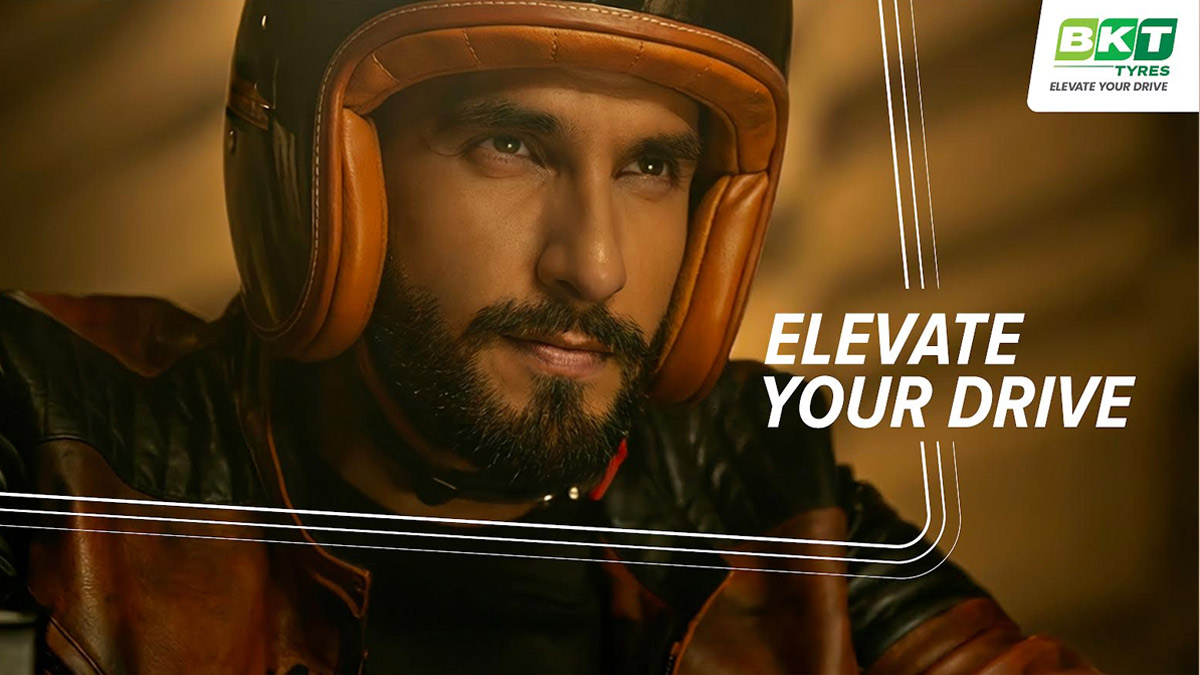
MUMBAI: BKT Tyres has decided to roll into the two-wheeler world with some serious jurrat and it’s brought Ranveer Singh along for the ride. The off-highway tyre specialist has unveiled its new campaign, ‘Jurrat’, marking a strategic push into India’s massive two-wheeler segment. The high-energy TV commercial, featuring brand ambassador Ranveer Singh, debuted on 3 April 2026 during the Indian Men’s T20 League 2026.
The campaign revolves around the core belief that true confidence on the road comes from dependable performance beneath you. ‘Jurrat’ (meaning courage) captures the mindset of riders who navigate dynamic and often unpredictable daily commutes with determination. It brings BKT Tyres’ brand philosophy ‘Elevate Your Drive’ into the two-wheeler space by spotlighting three key product benefits: long life, exceptional road grip, and unmatched comfort.
BKT Tyres chief marketing officer for India Mahesh Koppad said, “India’s two-wheeler segment reflects the way the country moves, works, and progresses every day. ‘Jurrat’ highlights how performance-led tyres, engineered for long life, comfort, and grip, enhance the overall riding experience and support uninterrupted progress in everyday life.”
The campaign is being rolled out across television and digital platforms with high-impact placements to ensure maximum reach and engagement.
This launch represents BKT Tyres’ calibrated expansion from its stronghold in off-highway tyres to becoming a more holistic mobility brand, addressing the everyday transportation needs of millions of Indian riders who rely on motorcycles and scooters as their primary mode of transport.
In a segment where confidence is everything, BKT Tyres is betting that a combination of bold celebrity appeal and strong product performance will help it gain serious traction on Indian roads. The campaign signals that the company is ready to move beyond its traditional turf and accelerate in the fast-paced two-wheeler market.






