MAM
Maruti Suzuki to multiply digital spends

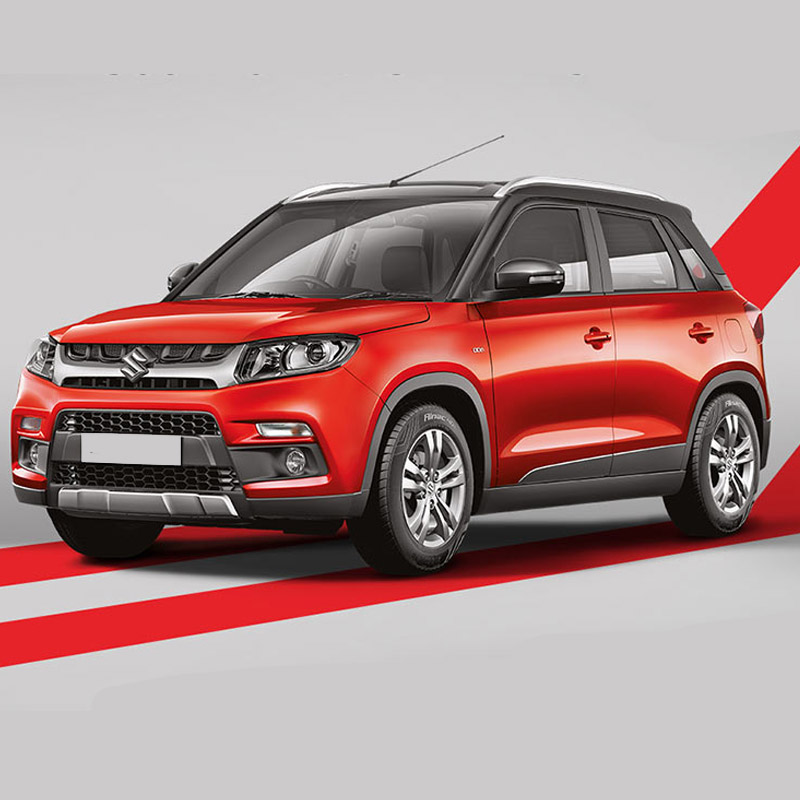
MUMBAI: Automaker Maruti Suzuki India Limited (MSIL) is escalating its digital spends and has consolidated its digital media buying and planning account with one specialised agency.
Maruti Suzuki India CMO Shashank Srivastava said, “We have been observing our work in the digital space from the past 2-3 years. We are increasing the share of digital spends — out of the total marketing spends — from 3-4 per cent to 12-15 per cent. Also, we have brought a 360 degree internet marketing agency, Ignitee Digital Solutions, on-board. Albeit, the digital arm of Lintas Media Group will also continue to work with us.”
 Until now the passenger car company worked with different digital agencies for its 13 car brands — a trend poised for change.
“We were working with different agencies for different work. For example, we worked with Pinstorm for ORM (online reputation management), Google for SEO (search engine optimisation) and another 5-6 agencies for website. Banners were looked after by different ones. Now, we have consolidated that to a single agency,” Srivastava added.

Rising fuel prices and other economic factors have turned the
automobile sector upside-down and many automobile companies are increasing their focus in the digital space.
“Today, digital media has become a big pillar for any automobile company. Large numbers of our consumers are in the range of 25-35 years. The importance of digital media will only move upwards”, Srivastava asserted.
Maruti will also amplify its focus on other digital areas such as search engine optimisation (SEO), online reputation management (ORM) and social media.
The automobile company will launch the new version of its premium hatchback brand Swift – on Facebook – on 17 August. Ignitee is working on the project. The page is liked by 128,387 people. The administrators of the page are putting regular updates to keep the consumers engaged.
“Though we were one of the first ones among car companies to enter the social media space, there are still a lot of untapped opportunities to be utilised. We will be launching Swift on Facebook and Ignitee is working on it,” Srivastava stated.
The conventional creative duties of Maruti are distributed amongst three agencies: Dentsu India, Lowe Lintas and Capital Advertising.
Capital Advertising, besides the corporate image account, also handles A-star, Swift and Grand Vitara; Dentsu India works on Estilo, WagonR, Eeco and Kizashi; and Lowe Lintas oversees DZire, Maruti800, Omni, SX4 and Alto.
With so many companies and brands in the market, hasn’t
differentiation become a major challenge?
“Differentiation can also be about the quality of products; how we target segments, BTL (below-the-line) activities, conveying or connecting with our target audience creatively and digitally. A creative agency might not be fully equipped to deal with our digital needs, hence we have got a specialist now,” Srivastava concluded.





MAM
Ameya Velankar steps down as Uber’s head of marketing for India & South Asia
Veteran marketer exits after more than seven years with the ride-hailing giant.
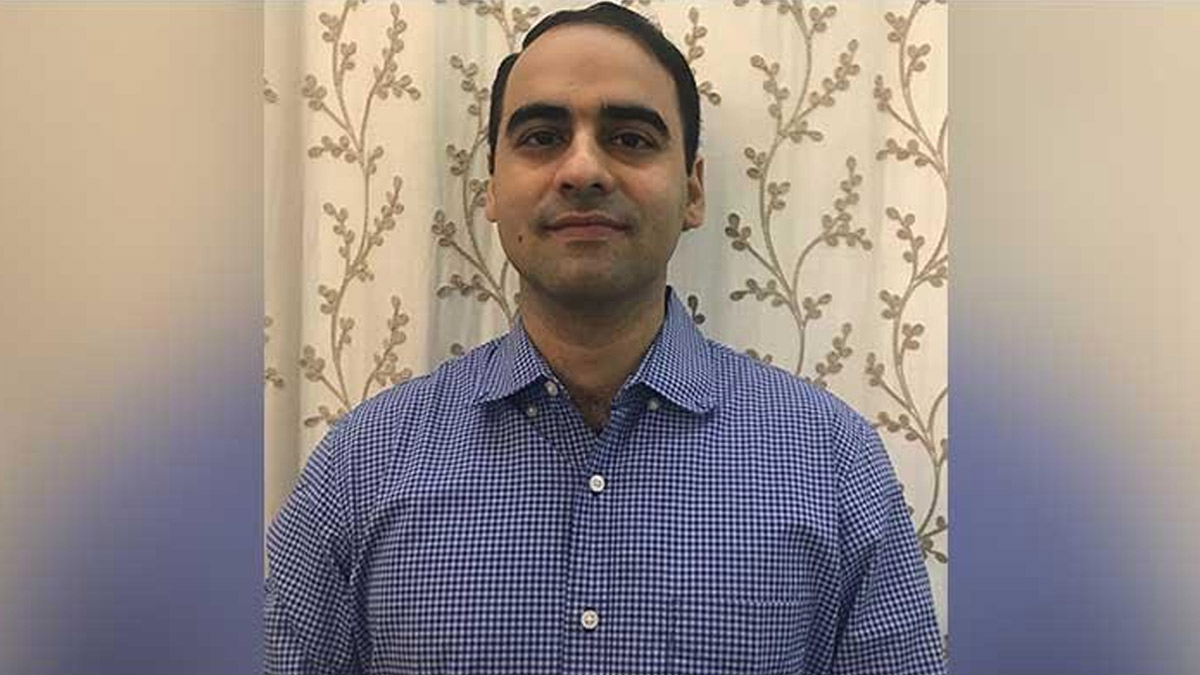
MUMBAI: After more than seven years of steering Uber through the bumpy roads of India’s mobility market, Ameya Velankar has decided to change lanes. Ameya Velankar has stepped down as Head of Marketing for India and South Asia, marking the end of a significant chapter at the ride-hailing company. He had been with Uber since 2019, taking on multiple roles in product and category marketing before rising to lead the marketing function for the region in 2021.
During his tenure, Velankar played a key role in strengthening Uber’s positioning in one of its most competitive and dynamic markets. He helped drive localised marketing strategies and scale adoption across key offerings such as Auto, Moto, Rentals and Intercity, tailoring global platforms to Indian consumer needs.
Prior to joining Uber, Velankar built his marketing expertise at leading consumer companies including SC Johnson and Marico, where he handled category and product leadership roles. His career began at RPG Enterprises.
Details of his next professional move have not been disclosed.
In a fast-evolving mobility landscape where brands constantly battle for attention, Ameya Velankar helped Uber stay relevant and resonant with millions of Indian users. As he moves on from the driver’s seat of marketing, the company will now look for fresh ideas to keep its wheels turning smoothly.






