MAM
Marketing world cautious over NTO 2.0, Coronavirus


NEW DELHI/ MUMBAI: It has been less than a year since the dust around NTO had settled, which even resulted in a dip in TV ad spends last year, and the hay has once again been unsettled with uncertainties raised by NTO 2.0. With broadcasters taking up the case legally against the new pricing regime, the marketing world has to deal with a new set of confusions.
Elaborating on the situation, Carat SVP Vinita Pachisia notes, “Advertisers usually earmark budgets for each medium before the new financial year begins. A change in the tariff regime will again disrupt the viewership. Last year when the NTO was implemented it took almost 6-8 weeks for the data to stabilise and for the advertisers to use it for plan evaluations. The new NTO amendments could again lead to similar fluctuations as it aims to bring in more viewership options to the audiences at a lower cost and higher FTA channels access. This in turn will lead to the advertisers to rethink on the advertising options before committing any spends.”
According to Update Geotarget MD and founder Sharad Alwe, marketers are looking for alternate and effective mediums to deliver impactful messaging as people are moving to other platforms.

He says: “It is no secret that since NTO 1.0, the availability of broadcast channels in GEC and movies genres has dropped appreciably in households. DTH has also shown a slight downtrend and is undergoing consolidation. Viewers are either happy with the mandatory Free-To-Air channels that come with the base NCF package, or, in the case of metros and Tier 1, some are moving to OTT.”
Havas Media CEO India and South East Asia Anita Nayyar shares similar sentiments, “The ad spends (on TV) will get affected given the changes in NTO 2.0. The total cost to choose the channels will impact TV viewing. The other platforms will tend to gain viewership as they become more viable for the viewer's pocket.”
Godrej Consumer Products Ltd VP and head media services Subha Iyer says that there have been cuts on ad spends. “It (NTO 2.0) will definitely cause an impact when we consider the fact that consumer offering in the form of multiple bouquets, pricing, etc. will go through another round of change. In the current scenario, one has to plan for multiple events affecting all of us with their implications in the market, business as well,”
However, Nayyar believes what is impacting media planning and ad spends more than NTO is the novel Coronavirus COVID-19. She says, “There is a lot of caution on ad spends in the market. The cumulative impact is far higher than the NTO impact. And the YES bank fiasco is just adding fuel to fire. Advertisers are waiting and only undertaking crucial spends.”
Pachisia also adds, “Currently the market sentiments are very low due to the present situation of Coronavirus across the world. Advertisers have been affected due to the ban on imports and this in turn has affected the advertising spends. The furore on IPL is another major factor to consider here. Hence it would be very difficult to gauge right now if the advertising spends have reduced due to NTO 2.0 or all the other current factors in the market.”
The whole industry is in a jittery considering the ongoing climate of crisis and the advertisers prefer to tread the waters extremely carefully. Alwe and Pachisia feel that there is going to be a structural shift in the advertising market shares.
Alwe says, “While TV has always been the traditional medium for national awareness, marketers we speak with are constantly looking for a smarter way to deliver their message. Hyperlocal geo-targeting, multilingual communication and ROI are what marketers expect from their media plan. We believe that while TV, digital and print will continue to have their presence in a media plan, marketers will look for other options to complement their traditional strategy, and there will be a structural shift in market share.”
Pachisia concludes, “The new NTO amendments would definitely force advertisers to rethink their strategies, resulting in a realignment of media plans which would definitely impact spends on TV. Clients who have specific quarter-wise budgets may look to spend it on other mediums till such time that the data settles and is comparable. The niche genres are already facing stiff competition from the OTT platforms and factors like these, and so many amendments to the NTO, are fuelling the decision to some extent.”







Brands
Emami names Dhruv Aggarwal as chief growth officer
Former Bain partner steps in as FMCG firm sharpens growth playbook
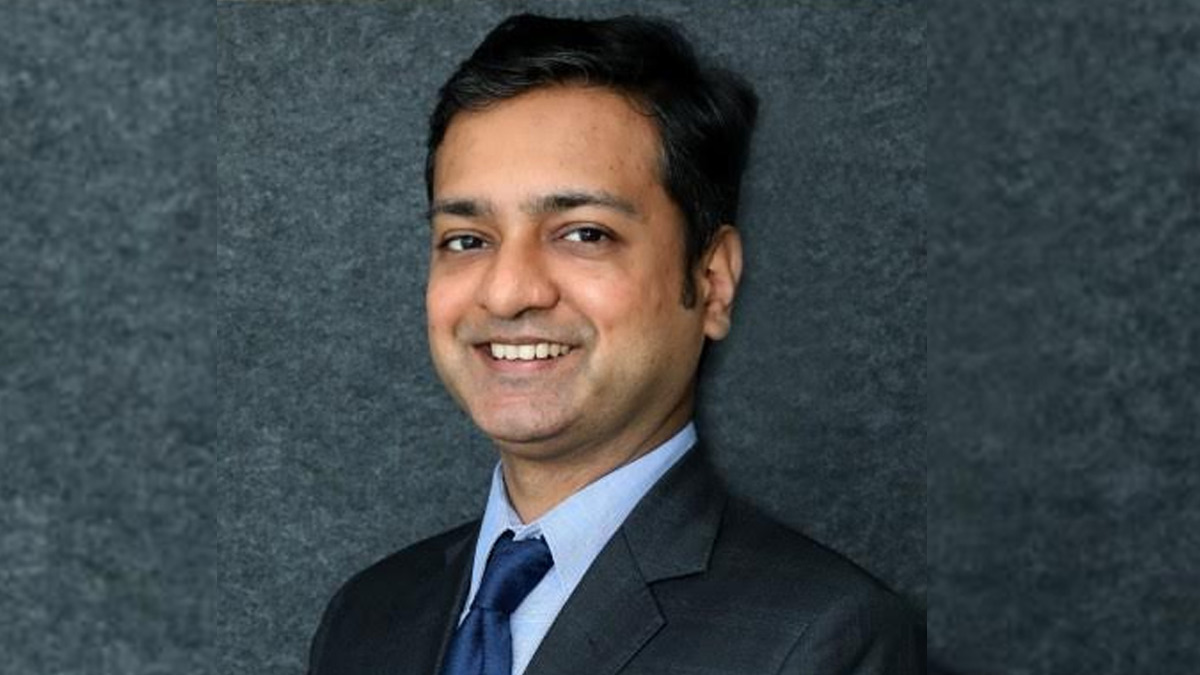
MUMBAI: Emami Limited has appointed Dhruv Aggarwal as its chief growth officer, effective 25 March 2026, following the resignation of Giriraj Bagri.
Aggarwal joins the FMCG major from Bain & Company, where he most recently served as partner. With over two decades of experience across consulting and strategy, he brings a global perspective shaped by work across India, the US, the UK and Germany.
During his tenure at Bain, Aggarwal advised consumer, retail and media companies on large-scale transformations, business turnarounds and growth strategies. He was also closely involved with India’s startup ecosystem, guiding early-stage ventures on scaling and digital expansion, while supporting private equity and venture capital firms on investment decisions.
His earlier stints include a brief role at Barclays Capital and operational experience at Jindal Power, giving him a mix of financial and industry exposure.
Academically, Aggarwal holds an MBA from Indian Institute of Management Bangalore and has also been associated with University of Illinois Urbana-Champaign as a PhD candidate and teaching assistant.
The appointment comes at a time when Emami Limited is looking to sharpen its growth strategy in a competitive consumer market. With a seasoned strategist now at the helm of growth, the company appears set to double down on transformation and expansion in the months ahead.








