MAM
Manforce Condoms unveils #CondomNahiManforceBolo campaign


Mumbai: Manforce Condoms, India’s No. 1 Condom Brand, from the house of Mankind Pharma, has unveiled its latest digital campaign, #CondomNahiManforceBolo.
The campaign aims to capture the space of online search around the word ‘condom’ by replacing it with ‘Manforce’. The brand has launched a year-long campaign to establish the prominence of Manforce Condoms as the top-of-mind choice for consumers whenever they consider purchasing condoms.
To kick-start the campaign, the brand has collaborated with multi-talented actor and content creator Dolly Singh. The video depicts Dolly Singh in the middle of a shoot where she mentions ‘condom.’ On hearing Dolly say condom, the director shows concern, following which the entire crew team says #CondomNahiManforceBolo as it is India’s No. 1 condom brand.

Since the campaign is year-long, the brand has planned to stick to the quirky tonality and amplify the campaign through multiple influencers, UGC and social media posts. The campaign focus will revolve around different media platforms to drive buzz and engagement around the campaign.
Speaking on the campaign, Mankind Pharma associate vice president, of sales and marketing head Joy Chatterjee, said, “Our idea behind the #CondomNahiManforceBolo campaign is to make sure everyone knows that Manforce Condoms is the No. 1 choice in India. By encouraging everyone to say ‘Manforce’ when they talk about condoms, the brand aspires to underscore the trust and credibility it has created in the industry over the years. For further strengthening the campaign, we have also roped in various influencers and leveraged e-comm, quick comm, and product placement for this campaign in a continuous manner.”
Elaborating on the same, Grapes co-founder and CEO Shradha Agarwal said, “The campaign resonates with our objective to instate the supremacy of Manforce Condoms in the segment. Having come a long way in establishing its position in the market, in tandem with the brand, we work towards the unified goal of familiarising Manforce Condoms as a name synonymous to condoms among the audience.”
Lights, Camera, Manforce! With Manforce reigning as India’s No.1 condom brand, it’s easy to see why it’s always on our minds. Join the laughter and learn the golden rule: Condom Nahi Manforce Bolo!#CondomNahiManforceBolo #No1CondomBrand #DollySingh #Influencer #BehindTheScenes pic.twitter.com/PQLB0hC1So
— Manforce Condoms (@ManforceIndia) May 8, 2024





MAM
Beacon Group appoints Dr Rajesh Patel as Group CEO
36-year healthcare veteran to lead Beacon Diagnostics, Vector Biotek, Biogeny.
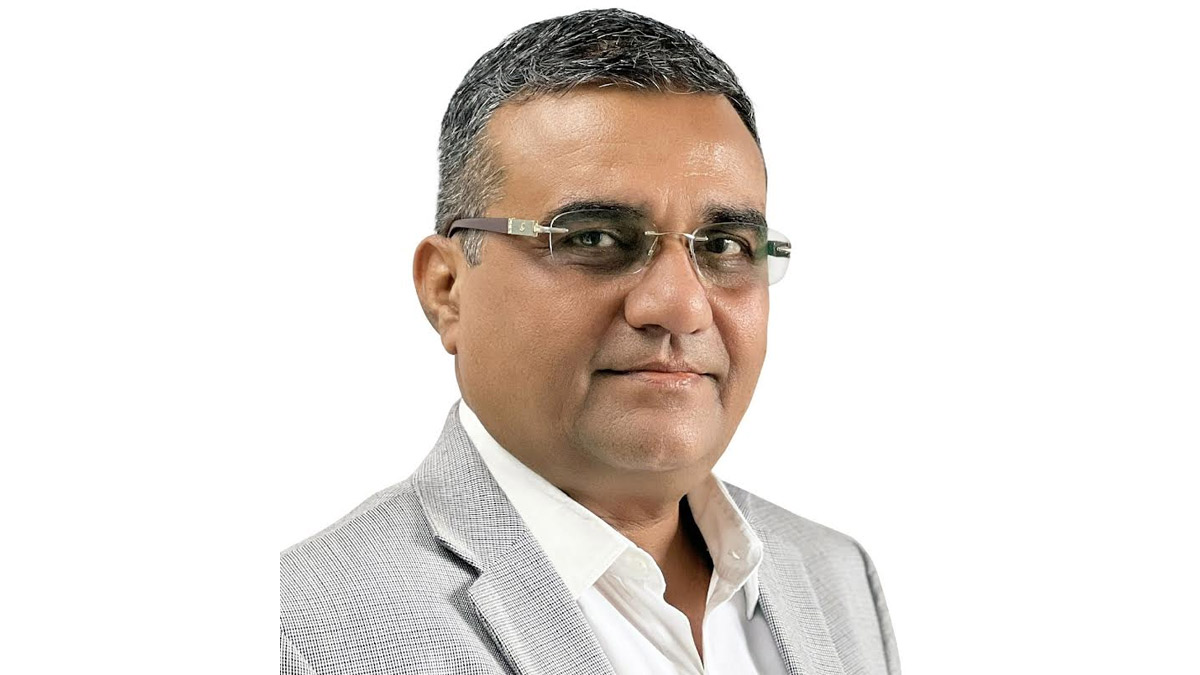
MUMBAI: A new chief, a fresh diagnosis and a sharper prescription for growth. Beacon Group has appointed Dr Rajesh Patel as its Group Chief Executive Officer, effective April 1, 2026, signalling a decisive push to scale its presence in the diagnostics and IVD space. Patel steps into the role with 36 years of experience across the healthcare and diagnostics industry, bringing a career shaped by leadership roles spanning sales, marketing, business development and operational strategy. His mandate is both expansive and precise: to steer the group’s overall strategic direction while tightening coordination across its three core entities Beacon Diagnostics, Vector Biotek and Biogeny Diagnostics.
In practical terms, that means driving cross-company synergies, accelerating market expansion and strengthening organisational capability areas increasingly critical as diagnostic players compete for scale in a fragmented yet rapidly evolving healthcare ecosystem. The group is positioning itself to capture unmet demand across chain laboratories, key accounts and standalone labs, segments that remain underserved despite growing diagnostic needs.
The appointment comes at a time when the In Vitro Diagnostics (IVD) sector in India is entering a more competitive and innovation-led phase, with companies focusing not just on product pipelines but also on service delivery, integration and customer-centric models. Beacon’s leadership appears to be betting that Patel’s execution-focused approach can help translate ambition into operational momentum.
Welcoming the appointment, Chairman Dr D K Joshi described Patel’s induction as a strategic move aligned with the group’s long-term vision, emphasising the role of leadership depth in navigating the next phase of growth.
For Beacon Group, the message is clear, in a sector where precision matters, leadership is the new differentiator—and this appointment is intended to set the tone for what comes next.






