MAM
Majority of ads are replete with gender stereotypes, shows new Asci study

Mumbai: Majority of the advertisements shown across media channels are replete with problematic and stereotypical depictions of gender, shows the latest study of over six hundred advertisements conducted by the Advertising Standards Council of India (Asci) in association with Futurebrands.
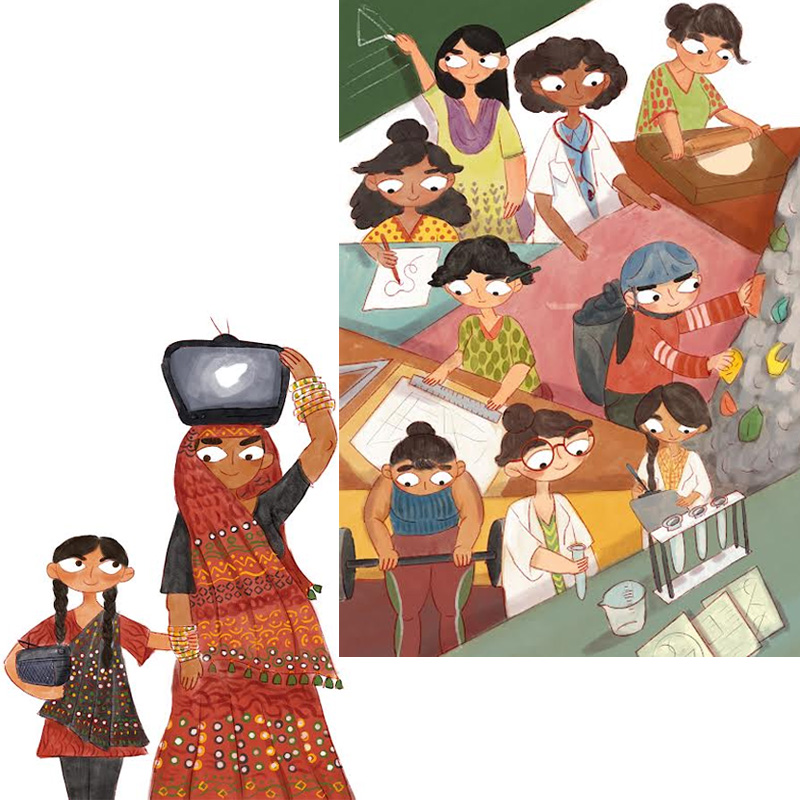
There are ads, which sensualise the act of eating by women, while others show them working around the house as other family members lounge around, or probably show male celebrities challenging and instructing women. “While there are some positive moves, mainstream advertising still heavily borrows from an inventory of overused, and sometimes harmful stereotypical tropes,” said lead author of GenderNext, Lipika Kumaran.
“Advertising has historically been a significant source for the propagation of gender stereotypes. While things are changing, what this study uncovers, is that gender continues to be represented in a skewed and discriminatory manner. Some obvious ways of stereotypes are less visible, but there are many other ways, both subtle and not-so-subtle, in which gender portrayals continue to be skewed,” said Futurebrands Consulting MD Santosh Desai.

Experts studied patterns of portrayals across multiple categories, such as personal care, fashion, beauty, home and hearth, gadgets and wheels, money, and education. The study touches upon how advertising portrays women versus how they see themselves and want to be seen. Women interviewed across different life stages and town classes pointed out that it is not ‘them’ but others in their sphere who lag behind and are the ones in need of empowerment. They feel that advertising can be their ally in this journey.
The study found that common stereotypes used in advertising such as women joyfully undertaking the drudgery of work was not aspirational at all for young unmarried women. Typical Women’s day ads that show women emerge victorious after significant struggle were not considered particularly empowering. Women are tired of ads showing young women being bestowed with freedoms only after putting up a fight.
“GenderNext acts as a guide for stakeholders – brand owners, marketers, advertising professionals – to aid the creation of more progressive depictions of women in advertising,” said ASCI chairman Subhash Kamath. “The deep insights on women, and what they feel about advertising is a fantastic input into advertising creation, and we hope that brands and advertisers will be motivated by the findings to depict women in more progressive ways. We also intend to set up a task force to evaluate advertising guidelines on harmful stereotypes.”
The study identifies some common patterns of discrimination and creates a framework that enables marketers to identify and eliminate such undesirable representations. The study proposes a category agnostic framework “The SEA (Self-Esteemed-Empowered-Allied) Framework” that aims to guide stakeholders in imagining as well as evaluating portrayals of women in their advertising by building empathy and aiding evaluation. It also proposes a 3S screener for scripts/storyboards, casting, styling to identify stereotype red flags: subordination, service, and standardisation.
Calling it a continuing conversation, ASCI secretary-general Manisha Kapoor said that the report is only the first of the many initiatives ASCI will put together in this space.
The study was sponsored by Rio Pads as the principal sponsor; co-sponsors included Vivel, Eureka Forbes Ltd, Kellogg’s, Colgate-Palmolive, Diageo India, Mondelez India Foods Pvt Ltd, and Procter & Gamble Home Products Pvt Ltd; while Kotak Silk and Mahindra & Mahindra Ltd were onboarded as associate sponsors.
“We are privileged to participate in this seminal study on our culture’s perspective on femininity and womanhood,” said Nobel Hygiene Pvt Ltd (makers of Rio pads) VP of marketing and commerce Kartik Johari. “Advertising has the responsibility to take the lead on cultural conversations and to affect change. With this study, we hope to really create a guideline for lasting change which advertisers can use to authentically represent women across communication, and hopefully, with it, start a national conversation around equality and humanity.”
For the study, the primary research involved ad clinics with 160 respondents and 20 focus group discussions across 10 centres, in addition to tapping into Futurebrand’s proprietary study Bharat Darshan, stated the industry body. More than 300 people were spoken to via social media, and all stakeholders such as national and regional advertisers, agency and creative heads, agender domain experts, policymakers, and advocacy groups were consulted as part of the study enquiry, the agency said.







Brands
Mana Projects names Ranbir Kapoor brand ambassador amid rebranding
Bengaluru developer unveils new identity focused on design and nature.

MUMBAI: When real estate meets reel star power, the foundation for a new brand story is often laid brick by brick. Mana Projects, the Bengaluru based real estate developer, has appointed actor Ranbir Kapoor as its brand ambassador while unveiling a refreshed brand identity aimed at aligning the company with the evolving expectations of modern urban homebuyers.
The announcement marks a new phase for the developer, which has spent over two decades building residential communities in Bengaluru, particularly along emerging growth corridors such as Sarjapur Road.
The updated brand identity reflects the company’s emphasis on design led living and environmentally conscious development. According to the developer, the new positioning focuses on creating residential spaces where architecture, nature, engineering and lifestyle planning work together to shape meaningful living experiences.
Mana Projects chairman and managing director D. Kishore Reddy said the rebranding represents a natural progression as the company adapts to the expectations of a new generation of homeowners.
“This rebranding represents the natural evolution of Mana Projects as we align ourselves with the aspirations of a new generation of homeowners, particularly millennials who form the backbone of Bengaluru’s dynamic homebuyer community,” Reddy said.
He added that today’s buyers increasingly look beyond basic housing to spaces that combine design, sustainability and a strong sense of community.
“At Mana, our philosophy centres on creating homes where space is purposeful, design is intelligent, nature is respected and engineering ensures long term sustainability. Our association with Ranbir Kapoor reflects this new chapter as we continue to build communities that enable people to truly live brilliantly,” he said.
Kapoor, who has been associated with several lifestyle and consumer brands, said the partnership resonated with his own understanding of what makes a home meaningful.
“A home is one of the most meaningful investments people make in their lives, and it should reflect comfort, warmth and a sense of belonging,” Kapoor said.
“What impressed me about Mana Projects is the brilliance of their thought, the way design, nature and functionality come together to enhance everyday living. I’m delighted to be associated with Mana Projects as they continue to create homes that inspire modern urban families to truly live brilliantly.”
The collaboration will be introduced through a large scale integrated campaign spanning digital platforms, outdoor media and experiential activations, making it one of the developer’s most prominent branding initiatives in recent years.
Founded in Bengaluru, Mana Projects has built a portfolio of residential developments that emphasise thoughtful architecture, amenity rich neighbourhoods and environmentally sensitive planning. The company’s projects often integrate open spaces, green landscapes and energy efficient engineering to support sustainable urban living.
With Bengaluru continuing to attract young professionals and technology workers, the developer believes the city’s housing market is increasingly being shaped by buyers seeking well planned communities that balance functionality with quality of life.
Looking ahead, Mana Projects plans to expand its presence across the city by developing future ready residential projects designed to accommodate emerging lifestyle trends such as hybrid work culture, community driven living and multigenerational households.
By combining a refreshed brand identity with a high profile ambassador, the company hopes to strengthen its position in Bengaluru’s competitive real estate market while appealing to a new generation of homeowners seeking homes that blend design, nature and modern living.