MAM
MAGGI launches “MAGGI Oats Noodles with Millet Magic”

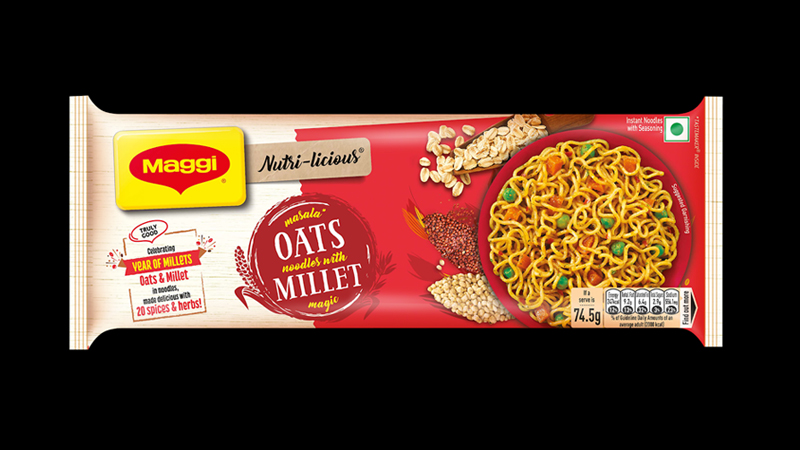
Mumbai: Nestlé India has added a new offering in their Millet-based product portfolio with the launch of MAGGI Oats Noodles with Millet Magic, under MAGGI Oats Noodles sub-brand. Consumed by nearly two-thirds of the Indian households, MAGGI noodles can contribute positively to make millet mainstream in India.
The new product offers a combination of two millets – Sorghum (Jowar) and Finger Millet (Ragi), along with goodness-filled oats. MAGGI has taken the flavorful Masala direction to make millets enjoyable and elevate the experience.
Commenting on the launch, Nestlé India director – foods business Rajat Jain said, “We are excited to introduce the new MAGGI Oats Noodles with Millet Magic with goodness of millets. This launch is in line with MAGGI’s commitment to provide consumers with diverse options by recalibrating innovations. With this new product we have combined oats with Indian Millets to offer consumers a product which is a source of fiber and protein. Over the four decades of our existence in India we have received immense love from our consumers. We are confident that the MAGGI Oats Noodles with Millet Magic will be received by our consumers with equal love and enthusiasm.”

The MAGGI Oats Noodles with Millet Magic comes as a part of Nestlé India’s new millet-based offerings across categories. Nestlé R&D Centre India Private Limited, Manesar (a subsidiary of Nestlé S.A and a part of Nestlé’s global R&D network) signed an MOU with Nutrihub-IIMR with an aim to collaborate in areas such as millet processing, health and nutrition benefits, millet sustainable regenerative agriculture practices and start-up collaborations. Coming from the house of MAGGI, consumers can be assured of great taste, with a tastemaker combining 20 spices & herbs.
MAGGI Oats Noodles with Millet Magic will be available at major metros and will be priced at Rs 175 for a pack of four serves (298 g).







Brands
Jubilant Foodworks to end Dunkin’ franchise in India
Pizza chain operator will not renew agreement when it expires at end of 2026.

MUMBAI: When the doughnuts stop turning and the coffee goes cold, even a global giant like Dunkin’ can find the Indian market a tough brew to crack. Jubilant Foodworks has decided not to renew its franchise agreement with Dunkin’ when the pact expires on 31 December 2026, according to a Reuters report. The operator, best known for running Domino’s outlets in India, said it would evaluate options for its existing Dunkin’ stores, including a potential sale or transfer of franchise rights, in consultation with the US-based brand.
The decision follows years of underperformance in a market where local tastes and intense competition have made it difficult for international coffee-and-doughnut formats to gain traction. Jubilant, which has increasingly focused on its core pizza business and newer bets like Popeyes, indicated that the exit would not materially affect its financial or operational position.
Dunkin’ accounted for just 0.61 per cent of Jubilant’s revenue in the fiscal year ending 2025 and recorded a loss of approximately Rs 191 million, according to a regulatory filing. The company operated 27 outlets as of December 2025, having shuttered seven stores over the preceding year.
The retreat comes even as Jubilant’s broader business shows signs of momentum. The company reported a 65 per cent rise in quarterly profit for the October to December period, reaching Rs 70.9 crore, up from Rs 42.91 crore a year earlier.
For Jubilant, the exit reflects a sharpening strategic focus. For Dunkin’, it marks another setback in a market that has proven resistant to imported café concepts without significant localisation.
In the cut-throat world of Indian quick-service restaurants, sometimes the sweetest deals are the ones you quietly walk away from leaving more room for the brands that truly rise to the occasion.