MAM
‘Made in India’ traces Lupin founder’s rise and India’s pharma boom
Authors trace Lupin’s rise alongside India’s march to global pharma power

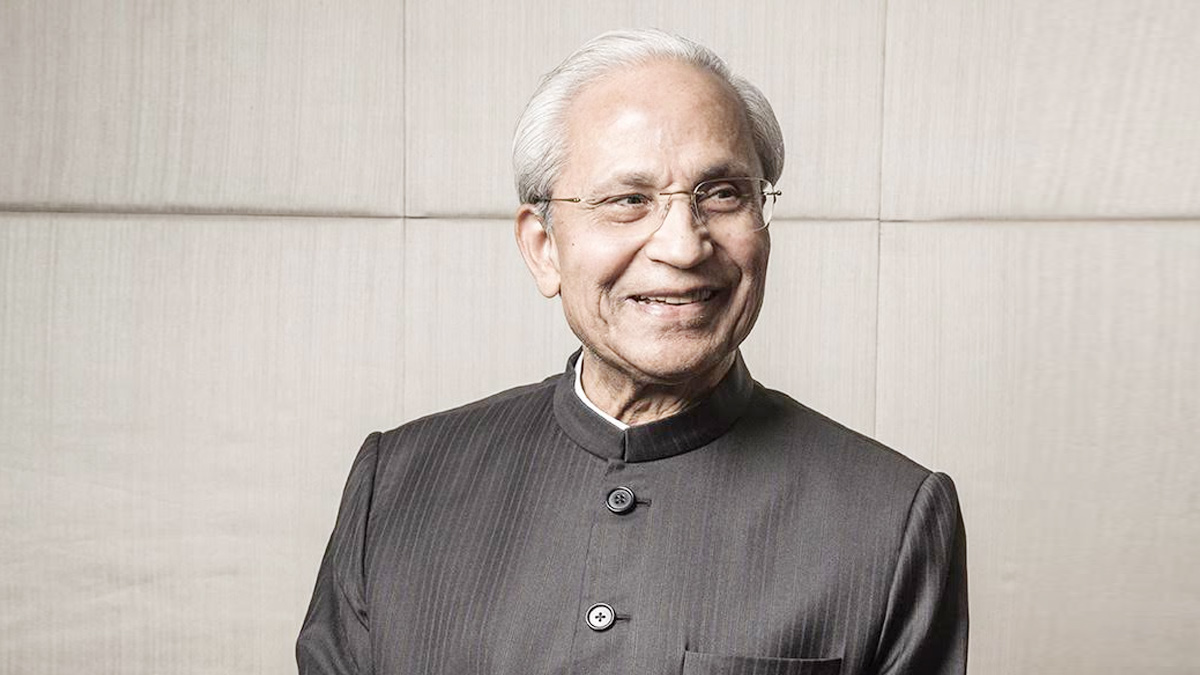
MUMBAI: A new book chronicling the rise of Indian pharmaceuticals through the life of Lupin founder Desh Bandhu Gupta, was launched in Mumbai on Sunday, bringing together leading figures from the industry to reflect on how India became the world’s pharmacy.
Made in India, written by journalist Sundeep Khanna and TeamLease Services co-founder Manish Sabharwal, traces three intertwined journeys: the evolution of India’s pharmaceutical industry, the growth of Lupin into a global generics major, and Gupta’s transformation from a small-town academic into one of India’s most influential entrepreneurs.
The book recounts how Gupta, raised without privilege in rural Rajasthan, moved from teaching and pharmaceutical jobs to founding a company now valued at around $10 billion, with medicines reaching patients in more than 120 countries. It details how Lupin navigated regulatory hurdles, financial crises and global quality standards to emerge as a multinational player.

Written with candour, the authors confront setbacks and personal costs alongside success, portraying institution-building as a slow and often painful process rather than a heroic sprint. The narrative also highlights the pivotal role played by Gupta’s wife, Manju Gupta, in building Lupin and its parallel commitment to community welfare and rural development.
The launch featured a panel discussion on the past and future of Indian pharma, with industry leaders including Dilip Shanghvi of Sun Pharma, Yusuf Hamied of Cipla, G.V. Prasad of Dr. Reddy’s Laboratories, Vinita Gupta of Lupin and academic M. M. Sharma.
Speakers underlined how Indian companies dismantled the notion that multinational drugmakers held an unassailable advantage, helping the country emerge as a dominant supplier of affordable medicines. India today produces nearly half of the 400 billion pills consumed annually in the US and accounts for about 60 per cent of global vaccine supply, with a third of US FDA-approved drug manufacturing plants located in the country.
Praise for the book highlighted Gupta’s role as one of the architects of India’s pharmaceutical rise, alongside figures such as Anji Reddy, Parvinder Singh, Ramanbhai Patel and Habil Khorakiwala. Together, the founders are credited with marrying entrepreneurial ambition to public health priorities, reshaping India’s manufacturing reputation and extending its global influence.







Brands
Reebok partners with Jerai Fitness for gym equipment in India
Long-term deal to manufacture and distribute Reebok-branded fitness products from April 2026.
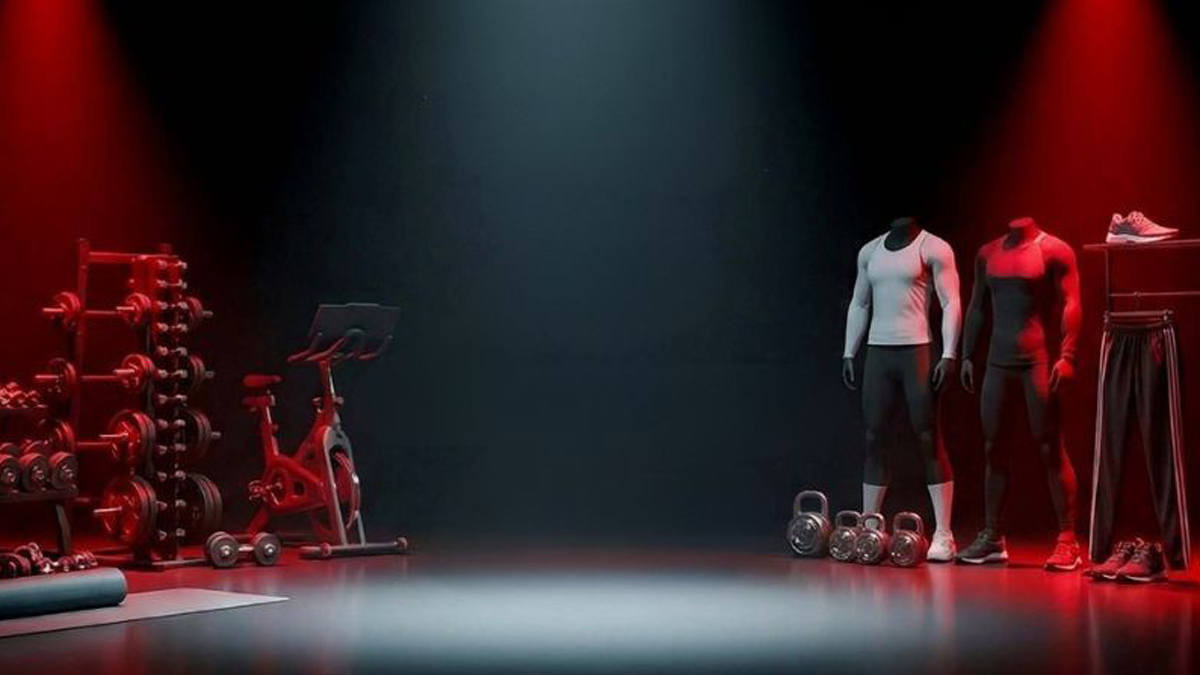
MUMBAI: Reebok is pumping up its presence in India and this time, it’s bringing serious muscle to the gym floor. Jerai Fitness Limited, an Indian manufacturer with over three decades of experience in fitness equipment, has announced a first-of-its-kind long-term partnership with Reebok. Under the agreement, Jerai Fitness will manufacture and distribute Reebok-branded gym equipment across India and neighbouring countries including Sri Lanka, Bangladesh and Nepal. The products will be available from 1 April 2026.
The collaboration combines Jerai Fitness’ fully automated, technology-driven manufacturing facility with Reebok’s global brand legacy to redefine the fitness equipment ecosystem in the region.
Jerai Fitness Limited chairman & managing director Rajesh Rai said the partnership leverages advanced manufacturing capabilities to deliver high-quality products tailored to market needs.
Authentic Brands Group EVP of Reebok Steve Robaire noted that India is a dynamic and fast-growing fitness market. “Jerai Fitness brings the manufacturing expertise and local insight needed to deliver high-quality, performance-driven equipment at scale,” he said.
The partnership will introduce a comprehensive commercial range covering cardio, free weights, and high-end home-use equipment under two distinct series. All products adhere to international standards, including ISO 9001:2015, ISO 14001:2015, ISO 45001:2018, ASTM certifications, and European safety standards EN ISO 20957-1:2013, EN 957-2:2003 and EN 957-4:2006.
Jerai Fitness’ manufacturing facility features fully automated production systems and dedicated storage infrastructure. As of 31 August 2025, it had an installed annual capacity of 21,000 units.
The Reebok-branded equipment will be available pan-India through Jerai Fitness showrooms and official websites jeraihomegym.com and jeraifitness.com.
In a market where fitness goals are rising faster than dumbbells, this partnership gives Reebok the local strength it needs while giving Jerai Fitness a powerful global brand to flex. For Indian fitness enthusiasts and gym owners, the workout just got a stylish upgrade.






