MAM
Lovejeet Alexander joins Bloomberg as director for new economy
Public-affairs veteran to drive convening and narrative at markets–policy crossroads


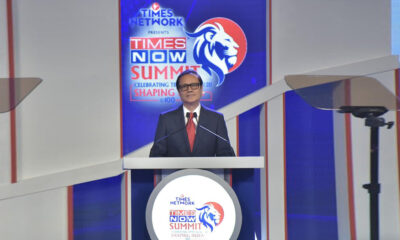
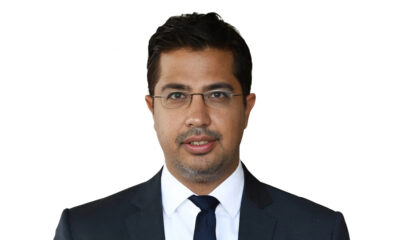
GURUGRAM: Bloomberg has appointed Lovejeet Alexander as director, New Economy, strengthening its push to convene leaders and shape debate at the intersection of markets, policy and global economic change.
Based in New Delhi, Alexander will advance the Bloomberg New Economy initiative from India, working with leaders across business and government as part of the platform’s global network. A marquee moment on the calendar is the 2026 Bloomberg New Economy Forum in New Delhi, signalling India’s rising weight in global economic conversations.
Alexander described Bloomberg’s work at the crossroads of markets, policy and transformation as a global benchmark for independent, fact-based journalism and convening, and said he looks forward to contributing to the initiative from India. He also acknowledged David Hearn for the opportunity and expressed gratitude to those who have been part of his journey.

His profile blends public affairs, strategic communications, alliances and ecosystem-building, with a growing focus on how AI reshapes education, institutions and public discourse. His work centres on crafting narratives and curating conversations at moments of structural change—especially where technology, learning, media and policy meet.
He has been closely involved in conceptualising, curating and moderating forums and leadership dialogues that bring together educators, policymakers, media professionals, technologists and institutional leaders. His interests range from AI’s impact on cognition and attention to institutional narratives in an algorithm-driven media environment, and from thought leadership to cross-sector alliances.
Alexander joins from the Learning Leadership Foundation, where he served as head of public affairs, corporate communications and strategic alliances. Earlier, he was consulting editor at India News Business and before that editor-in-chief and chief executive at founderINDIA.
His career also includes a long stint as lead PR strategist at GreenCheese, advisory roles at Perfect Relations—where he helped curate and conceptualise Prestival, Asia’s large PR festival—and heading corporate communications at Anand Group of Industries. He has handled corporate communications at Dainik Jagran’s i-next project and worked as a journalist with Sahara Media, Bennett, Coleman and Co. Ltd. (Times Group), Hindustan Times and Dainik Jagran, covering beats from politics to business and economy.
Open to advising on AI, education and policy forums, as well as public affairs and narrative strategy, Alexander positions platforms and dialogues—not just messages—as tools to build trust and influence.
As economies fragment and technology rewires power, Bloomberg’s wager is on ideas and access. With Alexander in the room, the conversations may get sharper—and the stakes higher.





MAM
Ameya Velankar steps down as Uber’s head of marketing for India & South Asia
Veteran marketer exits after more than seven years with the ride-hailing giant.
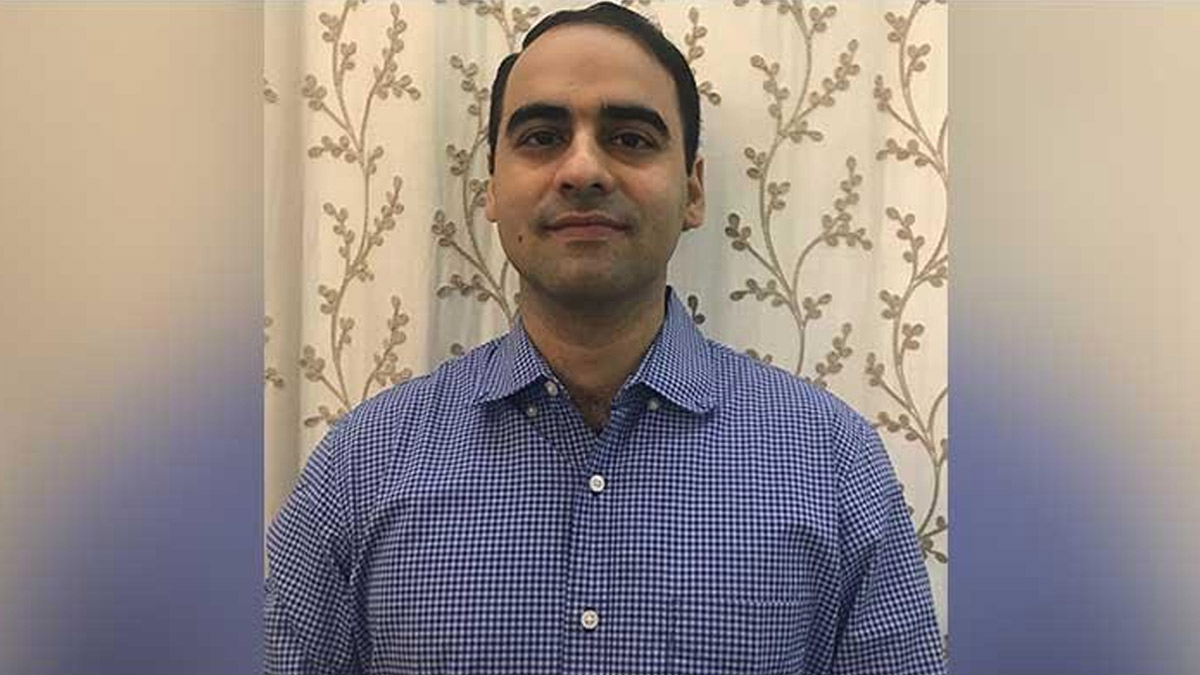
MUMBAI: After more than seven years of steering Uber through the bumpy roads of India’s mobility market, Ameya Velankar has decided to change lanes. Ameya Velankar has stepped down as Head of Marketing for India and South Asia, marking the end of a significant chapter at the ride-hailing company. He had been with Uber since 2019, taking on multiple roles in product and category marketing before rising to lead the marketing function for the region in 2021.
During his tenure, Velankar played a key role in strengthening Uber’s positioning in one of its most competitive and dynamic markets. He helped drive localised marketing strategies and scale adoption across key offerings such as Auto, Moto, Rentals and Intercity, tailoring global platforms to Indian consumer needs.
Prior to joining Uber, Velankar built his marketing expertise at leading consumer companies including SC Johnson and Marico, where he handled category and product leadership roles. His career began at RPG Enterprises.
Details of his next professional move have not been disclosed.
In a fast-evolving mobility landscape where brands constantly battle for attention, Ameya Velankar helped Uber stay relevant and resonant with millions of Indian users. As he moves on from the driver’s seat of marketing, the company will now look for fresh ideas to keep its wheels turning smoothly.






