MAM
Love takes over Platinum this Valentine’s Day


MUMBAI: Love deserves an expression. But do phrases like “falling for you”, “blinded by love”, “head over heels”, “madly in love” hold true today? Are they relevant? Is that what we want love to feel like in a modern world that aspires for equality, empowerment and respect for individuality? A state where one loses one’s sense of rational thinking is dizzy and confused seems like sharp contrast. While love is meant to be great high, one that uplifts you then must its expressions all somehow pull you down?
Dinner dates at expensive restaurants, over the top romantic gestures – sure sound nice in a film, but don’t they tend to preoccupy your thoughts, misdirect your efforts /expectations and create a shift in focus. Instead of thinking of how to make this relationship more real for today, a more meaningful partnership, don’t they serve to lead you into believing something else?
This month of love – “LOVE” itself comes alive and questions the relevance of these expressions and gestures.

Platinum Days of Love brings alive a unique four week digital and social campaign personifying love and infusing new and refreshed meaning into expressions and gestures around Valentine’s Day. Reimagining love to mean a relationship that makes two people greater together. In the days leading up to Valentine’s Day, each day LOVE will write an open letter that questions outdated expressions, frivolous gestures, rituals and days offering its modern perspective on relationships, urging couples to embrace acts and gestures that are more meaningful.
And that’s not all – One of the most interesting features that Platinum Days of Love adds to this campaign is the “Love Bot”. The Love Bot works in the form of a voice-based ‘google assistant’, suggesting meaningful ways to celebrate Valentine’s day – including the best way to express your love to your partner, to surprise your loved one and also to buy him or her the perfect Valentine’s Day gift!
The entire campaign is supported by PDOL’s acclaimed #GreaterTogether digital film that celebrates couples who can come together to build an even more formidable force where differences add perspective and similarities are built on to make one stronger.
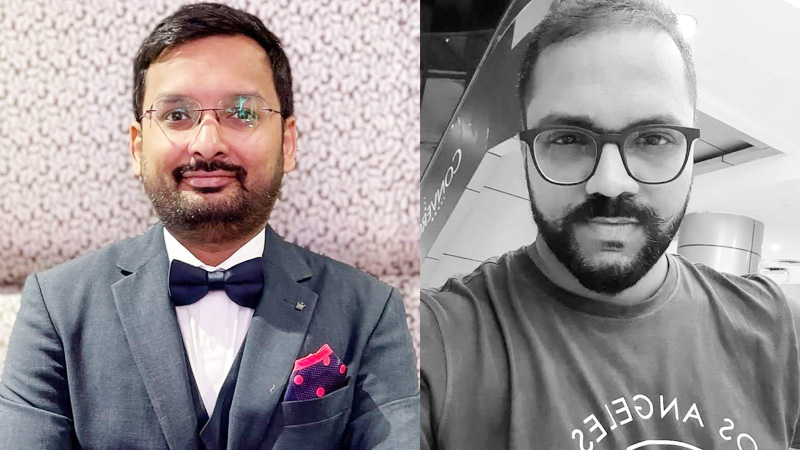
“It’s time we replace and reimagine the vocabulary around love and relationships from one that rejects and undermines the potential of an individual, cues compromise and sacrifice to one that demonstrates how two individuals can come together to build something greater. Can go from strength to strength. Falling, blinded, taking the plunge all land up seeming like one has been severely compromised. Couples today aspire for a love that empowers and uplifts – where together builds a greater partnership at every level. Where gestures don’t leave you skeptical because they are so over the top but rather reassured- said Platinum Guild International India consumer marketing director Sujala Martis.
“Reimagining love is a natural fit for today’s couples. They have stopped believing in archaic definitions of love and believe in love that empowers them. With this campaign, this Valentine’s Day we want couples to look beyond over the top, frivolous ways to celebrate; and take a more meaningful approach. The idea was to not make this a preachy campaign and hence the conversation is led by Love. Love that’s meaningful and the one that makes you greater together” – said DentsuWebchutney client services Harsh Shah
Known for meaningful designs crafted in rare platinum – apt for when a relationship too mirrors rare qualities. PDOL has curated a collection of six exquisite Platinum Love Bands in its “Greater Together” collection. The designs of each pair stands for a unique promise that enables couples to be #GreaterTogether. The collection will be available to purchase across leading jewellery retail stores in India from the 25 of January until 15 February.
The campaign is live across digital platform from the 25 of January until 15 February.




MAM
Ameya Velankar steps down as Uber’s head of marketing for India & South Asia
Veteran marketer exits after more than seven years with the ride-hailing giant.
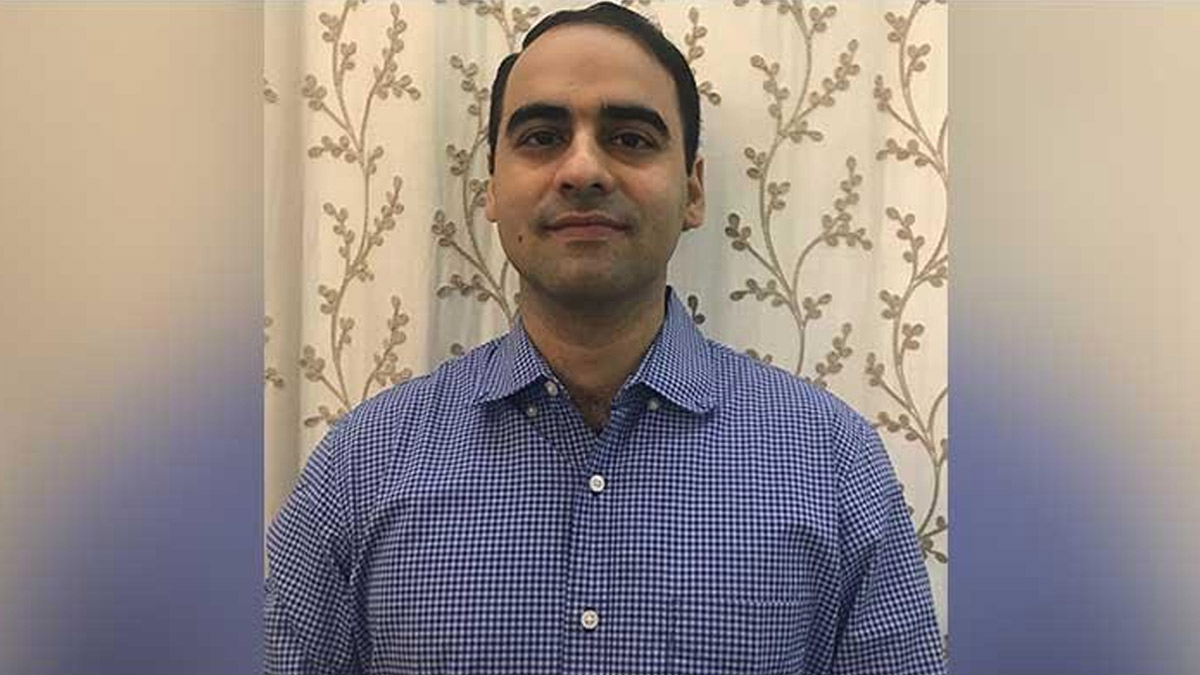
MUMBAI: After more than seven years of steering Uber through the bumpy roads of India’s mobility market, Ameya Velankar has decided to change lanes. Ameya Velankar has stepped down as Head of Marketing for India and South Asia, marking the end of a significant chapter at the ride-hailing company. He had been with Uber since 2019, taking on multiple roles in product and category marketing before rising to lead the marketing function for the region in 2021.
During his tenure, Velankar played a key role in strengthening Uber’s positioning in one of its most competitive and dynamic markets. He helped drive localised marketing strategies and scale adoption across key offerings such as Auto, Moto, Rentals and Intercity, tailoring global platforms to Indian consumer needs.
Prior to joining Uber, Velankar built his marketing expertise at leading consumer companies including SC Johnson and Marico, where he handled category and product leadership roles. His career began at RPG Enterprises.
Details of his next professional move have not been disclosed.
In a fast-evolving mobility landscape where brands constantly battle for attention, Ameya Velankar helped Uber stay relevant and resonant with millions of Indian users. As he moves on from the driver’s seat of marketing, the company will now look for fresh ideas to keep its wheels turning smoothly.






