MAM
Looking for a new job? Kool Kanya invites you to attend these workshops to help you find greater opportunities!

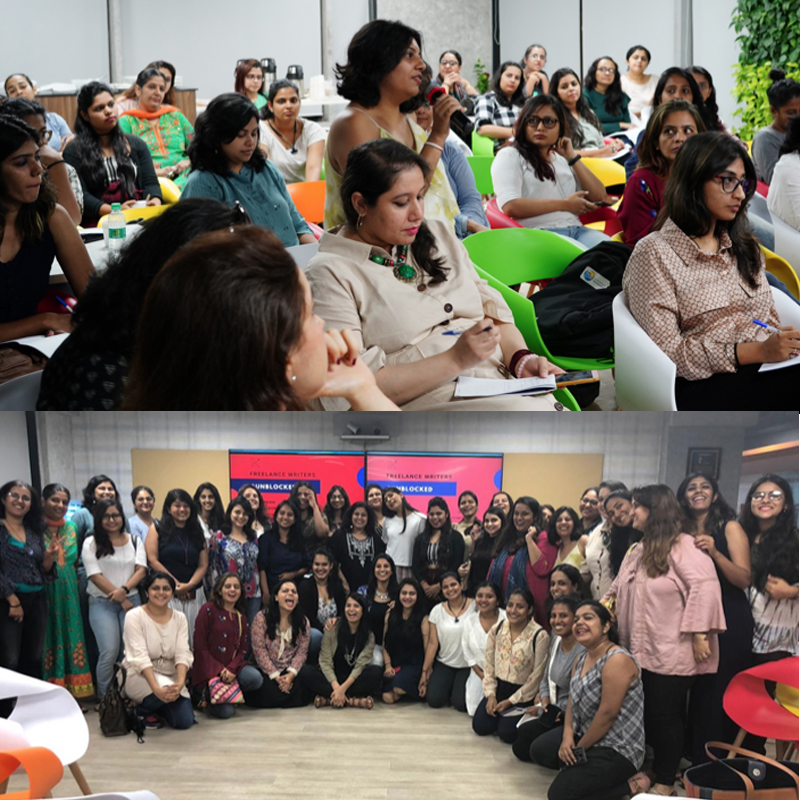
In the aftermath of the COVID-19 pandemic, over 4 million young professionals lost their jobs. This staggering figure calls for both government and corporate bodies to adopt large-scale measures to generate job opportunities for the youth, and keep education and training on track to avert further harm to the country's workforce. The pandemic has been particularly hard on young women, younger youth and youth in lower-income segments. Young people are concerned about the future and their place within it.
Kool Kanya, a career-building platform for women, has taken up the initiative of providing knowledge and support with respect to resumes, cover letters and essentially, the entire job hunt process. They have assembled a list of reputed specialists to conduct workshops on various topics that would be beneficial to a lot of people looking for guidance in the unprecedented current scenario. Planning higher education overseas, creating a resume using apps like Canva, drafting the perfect cover letter, how to make a great first impression, using LinkedIn to get noticed by recruiters and giving an interview with supreme confidence – these are topics on which some experts will hold extensive, informative sessions in order to aid young professionals put their best foot forward when it comes to finding suitable job openings.
Talking about the initiative, Vanshika Goenka, Founder, Kool Kanya said, "Ever since the pandemic hit and the lockdown was announced, several companies across sectors have taken to job cuts, along with salary reductions and leave without pay. The youth have been grappling with these issues, struggling to hold on to their careers that for most, are hanging by a thread. Young women especially lack the networks and access to expertise that can give them the confidence to keep charging ahead. That is why we decided to organize these workshops, once each week, and offer support to budding professionals to get them back on the wagon."

"Salaried jobs, once lost are hard to retrieve especially amidst a crisis like the one we are facing. As the nation started opening in a phased manner from June, some jobs came back. But the recovery was largely in informal jobs. It is time we work in tandem to bring back normalcy in the job market and we believe one of the major steps to achieving this is readying the workforce for a new, remodeled system."
Also, as we now live and work in globally interdependent communities, infectious disease threats such as COVID-19 need to be recognized as part of the workscape. To continue to reap the benefits from global cooperation, we must find smarter and safer ways of working together. Organizations will also appreciate the cost-savings of replacing full-time employees with contractors who can stay connected digitally.
In light of this anticipated shift, we have begun to understand how the COVID-19 quarantines that required millions to work from home affected job opportunities, work productivity, creativity, and innovation. Thus, workshops and knowledge-sharing sessions such as these can go a long way in helping young women upgrade and optimize their professional journey.







Brands
Adobe CEO Shantanu Narayen to step down after 18 years in role
Board begins CEO search as Narayen prepares to move to chair role
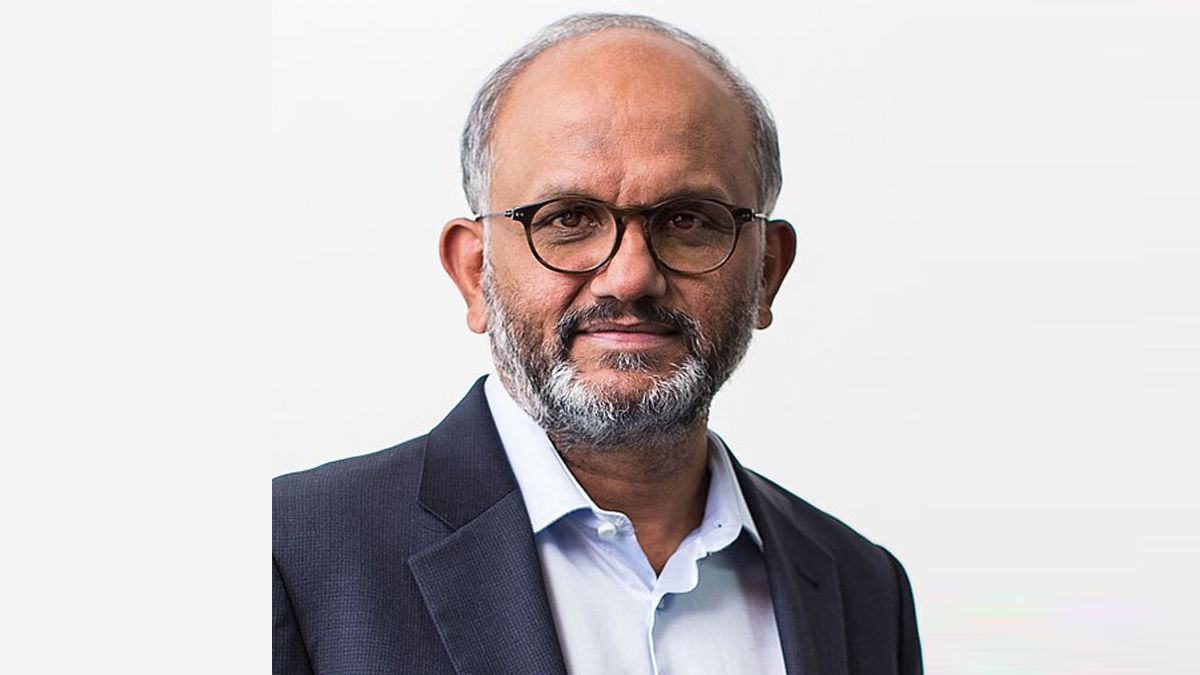
SAN JOSE: After nearly two decades at the helm, Adobe’s long-serving chief executive Shantanu Narayen is preparing to pass the baton.
The company announced that Narayen will transition from his role as chief executive officer once a successor is appointed, ending an 18-year run that reshaped Adobe from a boxed software seller into a global cloud and AI powerhouse. He will remain chair of the board following the leadership transition.
Adobe’s board has formed a special committee to oversee the succession process, led by lead independent director Frank Calderoni. The committee will evaluate both internal and external candidates.
“Shantanu’s leadership has been instrumental in Adobe’s transformation and in positioning the company for the AI-driven era,” Calderoni said in a statement. “As we begin the next phase of succession planning, our focus is on identifying the right leader for the company’s next chapter while ensuring a smooth transition.”
In a note to employees, Narayen described the moment not as a farewell but as a pause for reflection after a long journey with the company.
“I love Adobe and the privilege of leading it has been the greatest honour of my career,” he wrote, adding that he will continue to work closely with the board over the coming months to ensure a seamless leadership change.
Tributes from the technology industry quickly followed the announcement. Microsoft chairman and chief executive officer Satya Nadella congratulated Narayen on what he described as a “legendary run” at Adobe.
“Congrats Shantanu, on a legendary run at Adobe! You’ve built one of the most important software companies in the world, and expanded what’s possible for creators, entrepreneurs, and brands everywhere,” Nadella wrote on LinkedIn.
“What has always stood out to me is the empathy you’ve brought to the creative process and the example you’ve set as a leader. Grateful for your friendship, mentorship, and for all you’ve done for Adobe and for our industry.”
Narayen’s career at Adobe spans nearly three decades. He joined the company in 1998 as vice president and rose steadily through the ranks before becoming chief executive officer in December 2007.
During that time, he orchestrated one of the most significant reinventions in the software industry. In 2013, Adobe made the bold decision to abandon traditional boxed software sales and move its flagship creative tools such as Photoshop to a subscription-based Creative Cloud model. The shift initially rattled investors but ultimately transformed Adobe into a predictable recurring revenue business and a case study in digital reinvention.
Narayen also pushed Adobe beyond creative tools into the world of marketing technology and data-driven customer experience, spearheading acquisitions such as Omniture and Marketo. Those moves helped build Adobe’s digital experience division and broaden its reach far beyond designers and photographers.
The numbers tell the story of that transformation. When Narayen took over in 2007, Adobe generated roughly $3 billion in annual revenue. Today the company reports more than $25 billion. Over the same period, its workforce expanded from around 3,000 employees to more than 30,000.
In recent years, Narayen has steered Adobe into the generative AI era with the launch of Adobe Firefly, aiming to keep the company ahead in a rapidly evolving creative technology landscape.
Born in Hyderabad in 1963, Narayen studied electronics and communication engineering at Osmania University before moving to the United States for a master’s degree in computer science from Bowling Green State University. He later earned an MBA from the Haas School of Business at the University of California, Berkeley.
Widely regarded as one of Silicon Valley’s most steady and effective leaders, Narayen has earned multiple honours during his career, including India’s Padma Shri in 2019.
For Adobe, the upcoming leadership change marks the end of a defining chapter. For Narayen, however, the story is far from finished. As he told employees, the company’s next era of creativity, powered by AI and new digital workflows, is only just beginning.