Digital
Liqvd Asia swallows Adlift in digital marketing power play


MUMBAI: Two digital marketing outfits have decided that in the cutthroat world of online advertising, it’s better to bed down together than battle it out alone. Liqvd Asia, a digital-first advertising agency, has snapped up Adlift, a performance marketing and SEO specialist, in a move that promises to shake up the industry’s established order.
The tie-up, announced on 20 March, creates a full-service digital powerhouse that marries Liqvd Asia’s creative chops with Adlift’s data-driven prowess. The combined entity aims to offer clients the holy grail of marketing: campaigns that not only look pretty but actually deliver the goods.
Founded in 2013, Liqvd Asia has made its name flogging digital branding and content campaigns. By acquiring Adlift, which has been pushing data-driven performance marketing since 2009, the agency is clearly gunning for a bigger slice of the digital marketing pie.

Liqvd Asia founder & managing director Arnab Mitra couldn’t resist a bit of corporate speak when explaining the deal: “This acquisition marks a natural evolution in our journey to create an end-to-end marketing powerhouse that blends storytelling with performance at scale.” Strip away the jargon and the message is clear: they want to be the biggest and the best.
Adlift co-founder & chief executive Prashant Puri was equally bullish about the union: “This acquisition is not just about expansion—it’s about setting new benchmarks in digital marketing innovation.” Translation: we’re coming for everyone else’s lunch.
With Adlift’s team staying put under a joint leadership framework, the merger should avoid the usual corporate bedlam that follows such deals. The companies are betting that their combined financial muscle will allow them to splash the cash on fancy AI platforms and automation technologies.
Liqvd Asia, which already has studios in Mumbai, Gurgaon, Bengaluru and Kolkata, has made no secret of its global ambitions. The firm has its sights set on the US, Gulf states, Asia-Pacific and Europe, with Adlift’s international connections providing a ready-made launchpad.
Adlift brings to the table a team of over 200 digital experts and relationships with more than 250 blue-chip clients, including Walmart, Shopify and HDFC Bank. The agency has built its reputation on the back of search engine optimisation, paid media and content marketing—all areas where Liqvd Asia was looking to beef up its offerings.
If the two agencies can successfully merge their strengths without stepping on each other’s toes, they might just create the digital marketing juggernaut they’re promising. But as many a corporate marriage has shown, the path from honeymoon to happily ever after is often strewn with unexpected obstacles.






Introduction
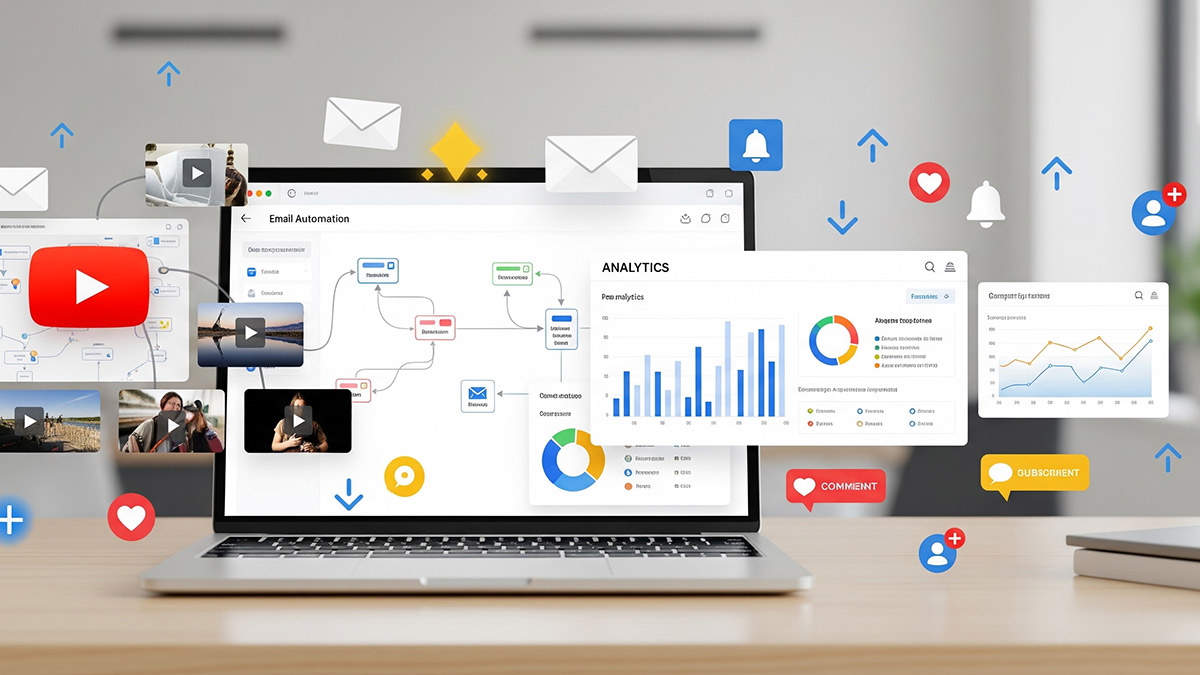
In the modern digital landscape, businesses are constantly seeking innovative ways to reach their audience, build relationships, and drive conversions. Two of the most powerful tools in digital marketing today are email automation and YouTube marketing. These strategies not only help brands engage with their audience but also provide measurable results that can significantly impact business growth. Platforms like ExamCollection offer valuable insights and resources for mastering these techniques. In this article, we will explore how email automation and YouTube marketing can transform your digital strategy and help you achieve long-term success.
The Power of Email Marketing Automation
Email marketing remains one of the most effective channels for communication and conversion. However, manually managing email campaigns can be time-consuming and inefficient. This is where marketing automation comes into play. Automation tools allow businesses to send personalized messages based on user behavior, preferences, and engagement patterns. This not only improves efficiency but also enhances the customer experience.
Benefits of Marketing Automation
Marketing automation provides several advantages, including increased productivity, improved targeting, and better customer retention. By automating repetitive tasks, businesses can focus on strategy and creativity. Additionally, automation enables marketers to segment their audience and deliver highly relevant content, which leads to higher open rates and conversions. It also provides valuable analytics that help optimize campaigns for better performance.
How to Master Email Automation
To master email automation, businesses need to understand their audience and create targeted campaigns. This involves setting up workflows, designing engaging email templates, and analyzing performance metrics. Tools like CRM systems and automation platforms can help streamline the process. Learning from expert guides and resources can significantly improve your skills and results.
The Rise of YouTube Marketing
YouTube has become one of the most influential platforms for digital marketing. With billions of users worldwide, it offers businesses an فرصة to reach a massive audience. Video content is highly engaging and can convey messages more effectively than text or images. As a result, many brands are investing in YouTube marketing to build their online presence and connect with their audience.
Key Strategies for YouTube Success
Successful YouTube marketing requires a well-planned strategy. This includes creating high-quality content, optimizing videos for search, and engaging with viewers. Consistency is also crucial, as regular uploads help build a loyal audience. Additionally, using analytics tools can help track performance and identify areas for improvement.
Explore more: https://www.examcollection.com/blog/master-youtube-marketing-with-these-10-powerful-steps/
Combining Email and YouTube Marketing
Integrating email automation with YouTube marketing can create a powerful synergy. For example, businesses can use email campaigns to promote new videos, share exclusive content, and drive traffic to their YouTube channel. Similarly, YouTube videos can encourage viewers to subscribe to email lists, creating a continuous cycle of engagement. This integrated approach can significantly enhance marketing effectiveness.
The Role of Data and Analytics
Data plays a crucial role in both email and YouTube marketing. By analyzing user behavior and engagement metrics, businesses can make informed decisions and optimize their strategies. Metrics such as open rates, click-through rates, watch time, and subscriber growth provide valuable insights into campaign performance. Using these insights, marketers can refine their approach and achieve better results.
Challenges and How to Overcome Them
While email automation and YouTube marketing offer numerous benefits, they also come with challenges. These include content creation, audience engagement, and staying updated with changing algorithms. To overcome these challenges, businesses need to invest in continuous learning and adapt to new trends. Leveraging reliable resources and expert guidance can make a significant difference.
Future Trends in Digital Marketing
The future of digital marketing is likely to be shaped by advancements in artificial intelligence, personalization, and interactive content. Automation tools will become more sophisticated, enabling even more personalized experiences. Video content will continue to dominate, with platforms like YouTube playing a central role in marketing strategies. Businesses that stay ahead of these trends will have a competitive advantage.
FAQ
1. What is email marketing automation?
Email marketing automation involves using software to send targeted and personalized emails based on user behavior and preferences.
2. Why is YouTube important for marketing?
YouTube provides a platform to reach a large audience and engage users through video content.
3. Can small businesses benefit from these strategies?
Yes, both email automation and YouTube marketing are highly scalable and suitable for businesses of all sizes.
4. How can I improve my email open rates?
By creating compelling subject lines, segmenting your audience, and delivering relevant content.
5. What tools are used for YouTube marketing?
Tools like video editing software, analytics platforms, and SEO tools are commonly used.
Conclusion
Digital marketing is evolving rapidly, and businesses must adapt to stay competitive. Email automation and YouTube marketing are two powerful strategies that can drive significant growth when implemented effectively. Email automation allows businesses to deliver personalized and timely messages, improving customer engagement and retention. On the other hand, YouTube marketing provides a platform to connect with a vast audience through engaging video content. By combining these strategies, businesses can create a comprehensive marketing approach that maximizes reach and impact. Platforms like ExamCollection offer valuable resources that help marketers understand and implement these techniques effectively. The integration of data and analytics further enhances the effectiveness of these strategies, enabling businesses to make informed decisions and optimize their campaigns. However, success in digital marketing requires continuous learning, creativity, and adaptability. As technology continues to advance, new opportunities and challenges will emerge. Businesses that stay updated with the latest trends and leverage the right tools will be well-positioned for success. Ultimately, mastering email automation and YouTube marketing can lead to increased brand visibility, higher engagement, and improved conversion rates. By investing time and effort into these strategies, businesses can achieve sustainable growth and long-term success in the competitive digital landscape.






