MAM
Linc Pen spent Rs 44 crores in advertising & promotion in last 5 years


Linc Pen, a leading stationery player in India, in its twenty-fifth annual general meeting disclosed that the brand had spent nearly Rs 44 crores in advertising and promotions in the last five years.
Linc Pen MD & CEO Deepak Jalan stated that the company achieved the best ever result in FY20 despite the loss of sales in the last few weeks. “Revenue grew by 9 per cent to close at almost Rs. 400 crore. EBIDTA margin was in double-digit at 10.3 per cent. PAT of Rs. 19.25 crore registered a healthy jump of 273.8 per cent over a lower base of Rs.5.15 Crore in the previous year. The board recommended a dividend of Rs. 1.50 per share, same as last year, in view of unprecedented challenges ahead in FY21.”
However, Jalan stated that going by the current scenario, the brand may witness at least 70-80 per cent of FY20 sales by the end of FY21.

“Turnover at Rs. 27.52 crore, was about one further of normal levels. For the first time ever, we registered a negative PAT of Rs 3.99 crore. Company’s April and May sales were washed out because of the nationwide lockdown. Our factories were closed for 28 days, and thereafter, gradual resumption started once the lockdown was lifted in a phased manner,” adds Jalan.
Jalan further mentioned that the company saw sales come back to more than 50 per cent levels of what it reported in the same month last fiscal (June 2019).
He also cited that the writing instruments industry has been severely affected by the Covid2019 as it has resulted in the closure of educational institutions and commercial establishments operating with lower physical attendance, which has clearly impacted the demand for writing instruments. The situation is similar all over the globe, with trade disruptions and lockdowns in several countries.
Linc Pens has an aggressive plan to enhance the organizations retail footprints from 65000 retail touchpoints to about half a million, helping the brand to embark upon a multi-year growth journey.
The stationery brand in past has launched several campaigns and even did ad films with Bollywood actor Shah Rukh Khan.
The stationery products market garnered revenue of 109.5 billion dollars in the year 2019 globally and has been foreseen to yield USD 154.1 billion by the year 2027 at a CAGR of 4.6 per cent over the forecast period.






MAM
Ameya Velankar steps down as Uber’s head of marketing for India & South Asia
Veteran marketer exits after more than seven years with the ride-hailing giant.
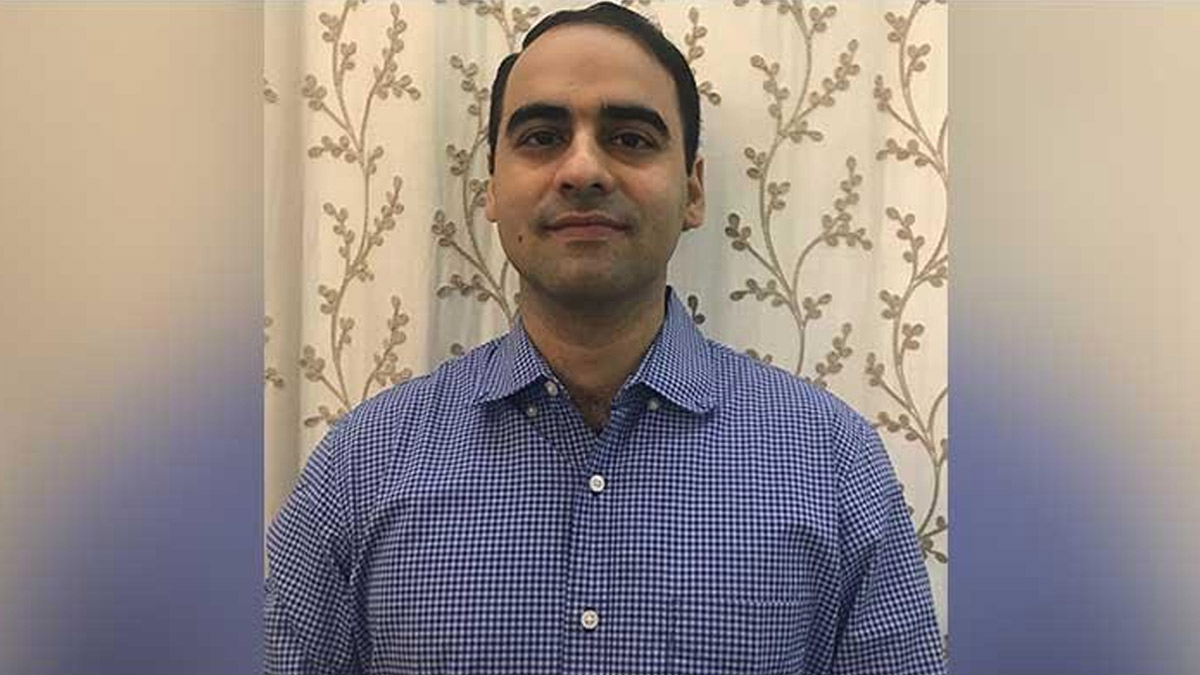
MUMBAI: After more than seven years of steering Uber through the bumpy roads of India’s mobility market, Ameya Velankar has decided to change lanes. Ameya Velankar has stepped down as Head of Marketing for India and South Asia, marking the end of a significant chapter at the ride-hailing company. He had been with Uber since 2019, taking on multiple roles in product and category marketing before rising to lead the marketing function for the region in 2021.
During his tenure, Velankar played a key role in strengthening Uber’s positioning in one of its most competitive and dynamic markets. He helped drive localised marketing strategies and scale adoption across key offerings such as Auto, Moto, Rentals and Intercity, tailoring global platforms to Indian consumer needs.
Prior to joining Uber, Velankar built his marketing expertise at leading consumer companies including SC Johnson and Marico, where he handled category and product leadership roles. His career began at RPG Enterprises.
Details of his next professional move have not been disclosed.
In a fast-evolving mobility landscape where brands constantly battle for attention, Ameya Velankar helped Uber stay relevant and resonant with millions of Indian users. As he moves on from the driver’s seat of marketing, the company will now look for fresh ideas to keep its wheels turning smoothly.






