MAM
Licious unites Ghotis & Bangals with meaty delights this Durga Pujo

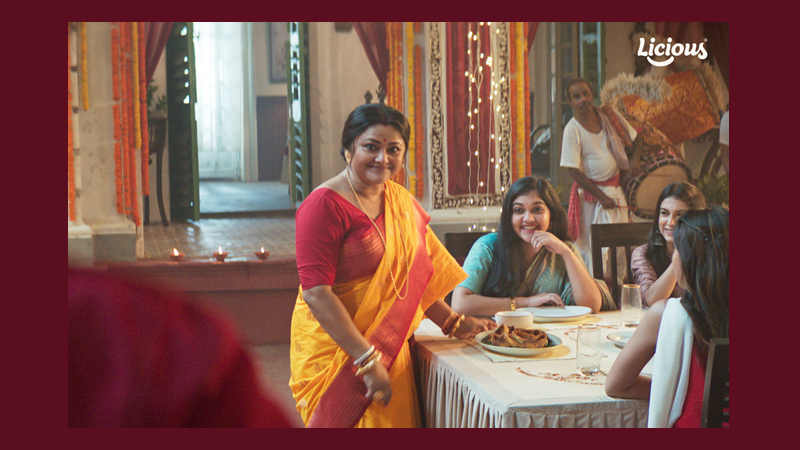
Mumbai: The intra-community rivalry between the ghotis & bangals has made for some fun banter over the years. No family gathering in a traditional Bengali household is ever complete without members of each side striving to establish one-upmanship, be it on culture, language, sports or food. As this contest of words and wit ensues, this Durga Pujo, Licious brings peacetime & festive fervour with an extensive spread of meaty delights. In its latest film, the brand brings together the ghotis & bangals to celebrate the spirit of Pujo with Bengal’s best – Hilsa, prawn, mutton and much more! The film now live on Licious’ Insta and YouTube pages, showcases a chapter from the book of ghotis v/s bangals that ends at the dining table with a mouth-watering feast of kosha mangsho, malai curry, bhapa ilish, muitha, ilish bhaja and pabdar jhal.
Licious VP brand Santosh Hegde said: “The Durga Pujo film underscores our belief that good food has the power to unite even the most spirited cultural rivalries. And there is no better way to celebrate the rich Bengali heritage than through its flavoursome cuisine. Armed with our expertise in meat & seafood, we have the leverage to offer specialized products & cuts to ensure our consumers have a memorable Pujo celebration. So whether you are a ghoti or a bangal, whether you prefer hilsa, prawn or mutton – Licious has you covered this Pujo!”
The film is set in a bustling Bengali household, abuzz with vibrant decor and preps for Durga Pujo. The dinner table is being set with the choicest of dishes and meaty delights, right from ilish macher bhaja, muita, pabdar jhal, kochi pathar jhol and more. Just then the lady of the house gets teased by her ghoti relative on whether the spread today features bangal specialities or are there any ghoti delicacies as well. For the uninitiated, people originating from East Bengal (now Bangladesh) are referred to as ‘Bangal’ and those hailing from West Bengal are called ‘Ghoti’. With witty banter and humourous rejoinder, the debate continues in true Kobir Lorai style (a poetic volley of words between 2 people, set to a tune & aimed at outsmarting each other) as the lady and her ‘opponent’ continue to take a dig at each other’s cooking styles, choice of fish and more.

The rhythmic beats of the dhak add to the tempo of this lorai; onlooking family members cheer on, at times even singing along. Who wins, you wonder; of course, the meaty delights by Licious do! Young family members intervene to remind that this isn’t the time to argue, but it’s the time to come together & enjoy the delightful spread that’s brought the family together, all thanks to Licious. Amidst laughter & marked by the festive spirit, the family rejoices with the delicious Pujor Mahabhoj made with Licious’ offerings for the season, forgetting all about their differences. After all, tasty meaty delights from Licious are what every ghoti and bangal would unanimously bond over this Pujo season.
Embed link: https://www.youtube.com/watch?v=K9alInxWQqA&ab_channel=Licious



MAM
Beacon Group appoints Dr Rajesh Patel as Group CEO
36-year healthcare veteran to lead Beacon Diagnostics, Vector Biotek, Biogeny.
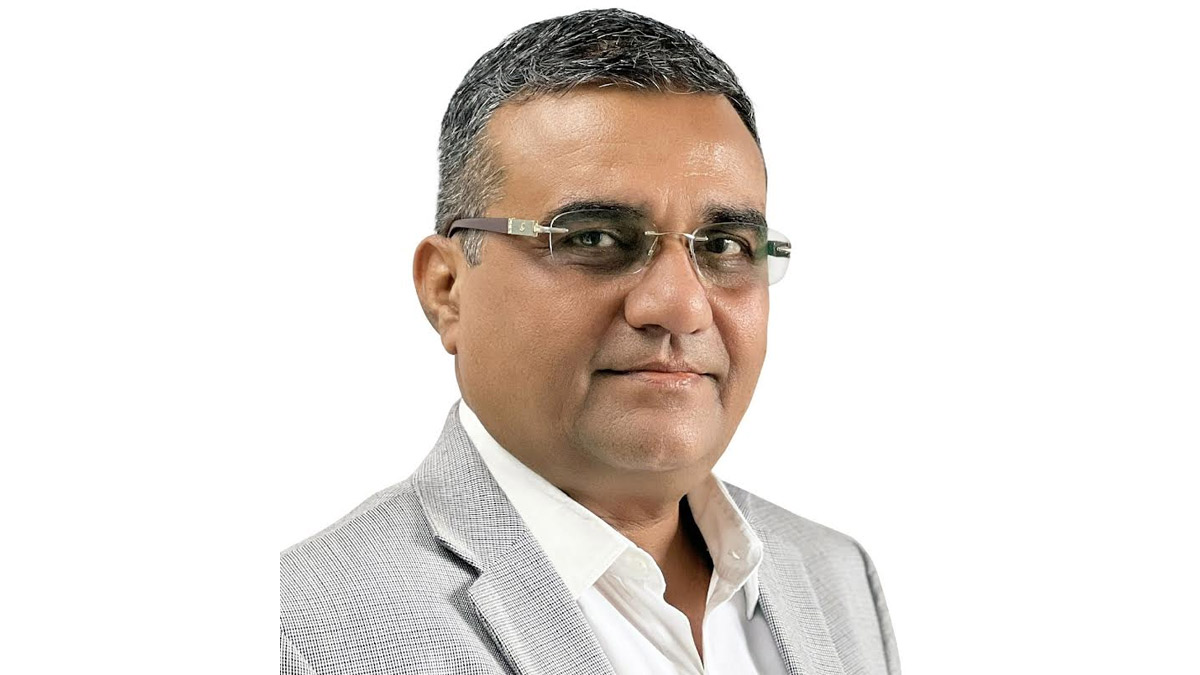
MUMBAI: A new chief, a fresh diagnosis and a sharper prescription for growth. Beacon Group has appointed Dr Rajesh Patel as its Group Chief Executive Officer, effective April 1, 2026, signalling a decisive push to scale its presence in the diagnostics and IVD space. Patel steps into the role with 36 years of experience across the healthcare and diagnostics industry, bringing a career shaped by leadership roles spanning sales, marketing, business development and operational strategy. His mandate is both expansive and precise: to steer the group’s overall strategic direction while tightening coordination across its three core entities Beacon Diagnostics, Vector Biotek and Biogeny Diagnostics.
In practical terms, that means driving cross-company synergies, accelerating market expansion and strengthening organisational capability areas increasingly critical as diagnostic players compete for scale in a fragmented yet rapidly evolving healthcare ecosystem. The group is positioning itself to capture unmet demand across chain laboratories, key accounts and standalone labs, segments that remain underserved despite growing diagnostic needs.
The appointment comes at a time when the In Vitro Diagnostics (IVD) sector in India is entering a more competitive and innovation-led phase, with companies focusing not just on product pipelines but also on service delivery, integration and customer-centric models. Beacon’s leadership appears to be betting that Patel’s execution-focused approach can help translate ambition into operational momentum.
Welcoming the appointment, Chairman Dr D K Joshi described Patel’s induction as a strategic move aligned with the group’s long-term vision, emphasising the role of leadership depth in navigating the next phase of growth.
For Beacon Group, the message is clear, in a sector where precision matters, leadership is the new differentiator—and this appointment is intended to set the tone for what comes next.






