MAM
Kitchen Vastu Simplified: How to Create a Balanced Cooking Space Without Structural Changes

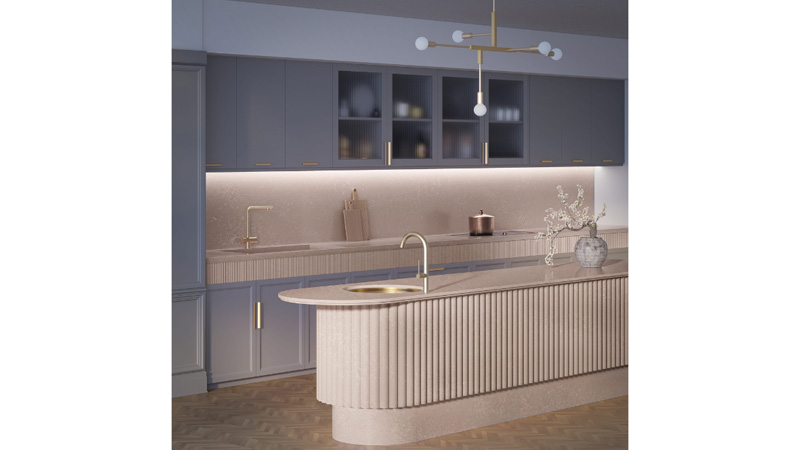
In an ideal world, homes would be designed from the ground up with Vastu principles in mind. In reality, especially in urban India, most homeowners live in apartments where making structural changes like relocating the kitchen or shifting plumbing lines is simply not feasible. Yet, Vastu Shastra does not demand drastic interventions to be effective. Many of its principles can be adapted and even retro-fitted through layout planning, colour choices, material selection, and daily habits. When applied with intention, these small adjustments can help create a kitchen that feels balanced, efficient, and supportive of the family’s wellbeing.
Understanding Direction Without Rebuilding Walls
One of the most frequently discussed aspects of kitchen Vastu is direction. Ideally, the kitchen should be located in the southeast, known as the Agni (fire) direction, which supports heat, energy, and nourishment. However, in existing apartments, this is often predetermined. While relocating the kitchen may not be an option, how elements are placed within the space can still align with Vastu logic.

The cooking stove, for instance, should be positioned in the southeast corner of the kitchen wherever possible. When cooking, the person should ideally face east, a direction associated with growth and positivity. This small adjustment—often just a matter of reorienting the stove or cooking posture—can help align daily routines with Vastu recommendations.
Vastu also cautions against south-facing kitchens, as this direction is believed to be associated with financial instability. If the kitchen already faces south, balance can be restored through lighter colours, good ventilation, and disciplined organisation rather than structural alteration.
Managing Water and Fire Elements Carefully
Vastu places strong emphasis on balancing the five elements, particularly fire and water in the kitchen. The sink, wash basin, pipes, and drainage systems represent the water element and should ideally be placed in the north or northeast direction. This placement is believed to support harmony, health, and smoother energy flow. Water also represents the inflow of money or riches, so drainage systems must be planned carefully.
One of the most common Vastu mistakes is positioning the sink too close to the stove. Fire and water are opposing elements, and placing them together is said to create internal imbalance, leading to stress or disrupted routines. Even if plumbing lines cannot be moved, creating visual and physical separation through counter spacing or storage placement can help reduce this conflict.
The Psychological Impact of Colour
Colour plays a far more influential role in kitchen Vastu than many homeowners realise. Bright, warm colours are traditionally recommended because they stimulate appetite, uplift mood, and energise the space. Shades like orange and red represent fire and vitality, while lighter pastels such as green, yellow, and pink bring freshness and balance.
In modern kitchens, these colours do not need to dominate the entire space. They can be introduced through surfaces, backsplashes, cabinetry finishes, or even accent walls. Brands such as Berger Paints offer Vastu-aligned colour palettes specifically curated for kitchens, helping homeowners make informed choices without overwhelming the space.
Material choices also influence how colour is perceived. For example, quartz surfaces in warm or pastel tones offer a clean, continuous finish while supporting both functionality and Vastu sensibilities. Specta Quartz Surfaces, for instance, provides a range of light and warm shades that work well in kitchens seeking visual brightness, durability, and ease of maintenance.
Ventilation, Light, and Energy Flow
A well-ventilated kitchen is essential not just for comfort, but also for maintaining positive energy. Windows on the north or east walls are considered ideal, as they allow natural light and fresh air to enter, supporting clarity and hygiene. If natural ventilation is limited, ensuring good exhaust systems and adequate lighting becomes even more critical.
Good lighting, especially warm, evenly distributed light, helps reduce fatigue and enhances focus during cooking. Modular kitchen brands like Häfele often integrate functional lighting solutions that improve usability while keeping layouts streamlined.
Declutter to Restore Balance
One of the simplest yet most powerful Vastu principles is maintaining a clutter-free kitchen. Overstocked shelves, unused appliances, cracked crockery, and excessive storage create visual and mental congestion. According to Vastu, clutter disrupts energy flow and can subtly affect mood, motivation, and even immunity over time.
Regularly clearing expired items, avoiding unnecessary hoarding, and keeping countertops as open as possible helps restore a sense of order. A well-organised kitchen not only functions better but also feels calmer—reinforcing the idea that a clutter-free space supports a clutter-free mind.
Vastu as a Lifestyle, Not a Constraint
Vastu in the kitchen is less about rigid rules and more about conscious alignment. It recognises that food is central to health, and the environment in which it is prepared influences both physical and emotional wellbeing. By making thoughtful choices without breaking walls or reworking plumbing homeowners can bring balance into their kitchens in practical, achievable ways.
In today’s compact urban homes, Vastu works best when interpreted intelligently. Through mindful placement, colour psychology, smart materials, and disciplined organisation, the kitchen can become a space that supports harmony, health, and everyday ease—proving that balance often lies in intention, not intervention.




Brands
KKR sixes to power EV charger rollout under VIDA campaign
Cricket meets clean mobility as big hits spark India’s charging growth
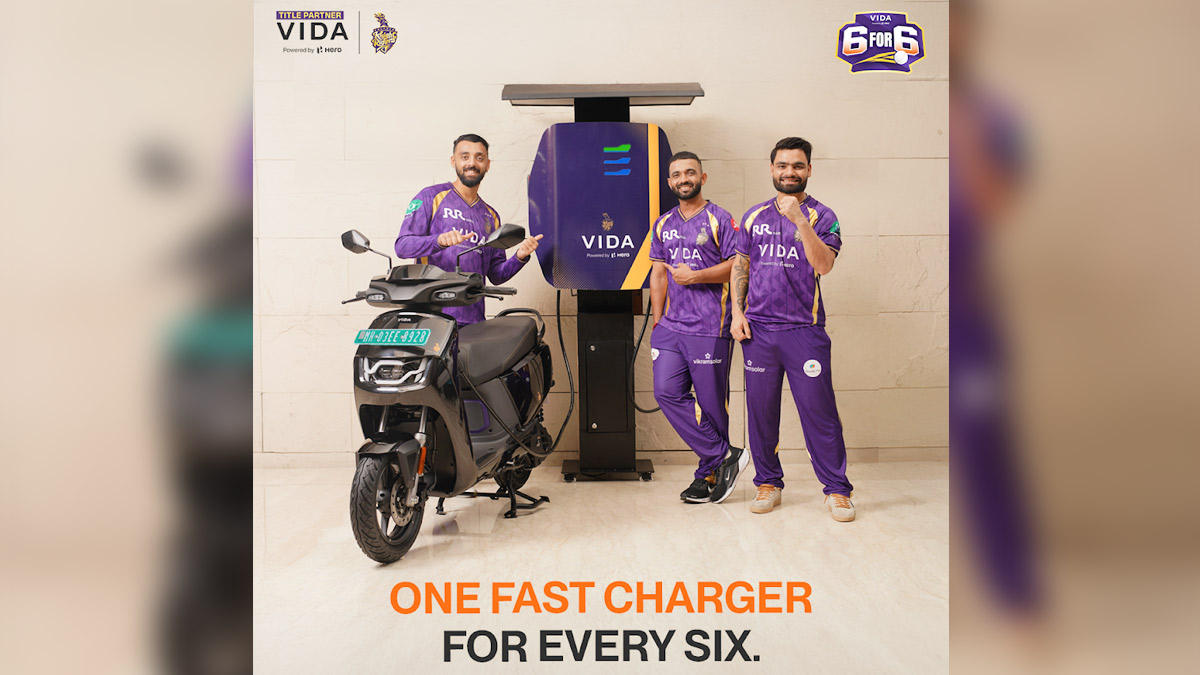
NEW DELHI: VIDA, the electric mobility arm of Hero MotoCorp, has teamed up with Kolkata Knight Riders to launch a campaign that turns cricketing flair into real-world impact.
Titled ‘6 for 6’, the initiative promises to install a 6kW fast EV charger for every six hit by KKR during the ongoing Indian Premier League season. The idea is simple but powerful, as each big hit on the field contributes directly to expanding India’s fast-charging infrastructure.
The campaign builds on VIDA’s growing network, which already spans over 5,300 fast-charging points across more than 430 cities. With EV adoption gaining pace, the brand is using cricket’s mass appeal to accelerate both awareness and infrastructure growth.
Explaining the thinking behind the move, Hero MotoCorp emerging mobility business unit chief business officer Kausalya Nandakumar said, “Cricket has an incredible ability to unite and inspire millions across the country. With the ‘6 for 6’ campaign, we are turning every big hit on the field into a step towards a cleaner and a more accessible mobility future.”
She added that VIDA’s expanding fast-charging network and removable battery technology are designed to make EV ownership more convenient and practical for everyday users.
From the franchise’s side, the campaign is also about giving on-field moments a larger purpose. Kolkata Knight Riders chief executive officer Venky Mysore said, “The ‘6 for 6’ campaign exemplifies the potential of sport as a platform for meaningful, real-world impact. By linking every six to the expansion of EV charging infrastructure, this partnership transforms fan excitement into tangible progress.”
As part of the rollout, VIDA has introduced co-branded charging stations in KKR’s signature colours, with a flagship installation unveiled alongside team players. The chargers are designed for quick top-ups, powering VIDA scooters from zero to 80 percent in about an hour, while also being positioned along key highways to support longer journeys.
The initiative also taps into VIDA’s removable battery system, which allows users to charge using standard household plug points, adding flexibility to the charging ecosystem.
By blending the thrill of cricket with the urgency of clean mobility, VIDA and KKR have found a neat way to make every six count twice, once on the scoreboard and again on India’s road to an electric future.