MAM
JWT, KSA Technopak to promote seal of cotton in India

MUMBAI: Several top Indian textile brands have joined hands to promote cotton products through a multimedia campaign involving ground promotions, public relations and advertising.
As part of the endeavour, Cotton Gold Alliance (CGA), promoted by the US-based Cotton Council International (CCI) and Cotton Incorporated, has launched the ‘Seal Of Cotton’, which is the most recognised international trustmark of quality cotton products in India. CGA has appointed advertising major J Walter Thompson and global management consultancy firm KSA Technopak as its agents in India.
CGA will be supported by leading brands in the country, namely Arrow, Lee and Wrangler from Arvind Mills; Berkeley from Vardhman; Blackberrys, Cottons by Century; Crocodile, Euro, Frontline, Icon and LOGO from Ashima; Indigo Nation and Scullers from Indus League; Louis Philippe from Madura Garments; Monte Carlo and Cotton County from Nahar Group; Moral Fibre from GTN Textiles; Park Avenue and Parx from Raymond; and Shoppers’ Stop stores labels – Stop, Life and Kashish. Leading textile firms like Ginni Filaments and Mafatlal Burlington have also joined this alliance. These brands will promote the “New face of cotton” in India.

To promote the ‘Seal Of Cotton’ awareness and usage, a communications campaign has been designed. It will emphasise the natural, positive attributes of cotton and the fact that cotton now has a new face, which is dynamic and versatile.
The campaign uses stunning masks to depict the ‘New Face’ concept. The masks are great showstoppers and will be used at the retail level, in the outdoor creative work and in the print medium. The range of garments bearing the Seal demonstrates how different and fashionable cotton really is, thereby repositioning cotton in the minds of the consumers and elevating its image.
The unveiling of the ‘Seal of Cotton’ took place on 7 May 2003 in Mumbai and was accompanied by a crisp fashion show that showcased the different faces of cotton – casuals, club wear or formals. The highlight of the show was the backdrop which was a life-size mask depicting the ‘New face’ of cotton in India. Leading apparel and textile brands will now display tags and labels that bear the seal – in the shape of a cotton boll – on their products, distinguishing them as high quality 100 per cent cotton products.
On the occasion of the launch leading global management consulting firm KSA Technopak principal Harminder Sahni said: “India is one of the largest producer-consumer of cotton products. The seal of cotton will help differentiate pure cotton products from a variety of cotton-like ones available in our market. The seal symbolises quality products made from 100 per cent cotton. We are extremely pleased to have the most eminent names in India’s apparel and textile industry to promote the seal. Cotton products bearing the seal would promise a new look with fresh textures that range from velvety, shiny, stretchy and tough. The colours would be vibrant with exquisite sheens and trendy designs.”
About Seal Of Cotton: Since 1973, the Seal Of Cotton has been an important symbol of quality for both retailers and consumers and is the focal point of the successful U.S. campaign that boosted cotton from a low point of 34 per cent market share in the 1970s to over 60 per cent today. Having given cotton unique brand recognition, this trademark is consistently recognised by eight out of ten consumers in the world’s number one textile market, the United States. Consumers associate the Seal with positive attributes and are more likely to purchase those cotton products that are labelled with the trademark, even at premium price.





Brands
RR Kabel expands FMEG portfolio with kitchen appliances and air coolers
Company forays into mixers, cooktops and hand blenders under RR Signature brand.
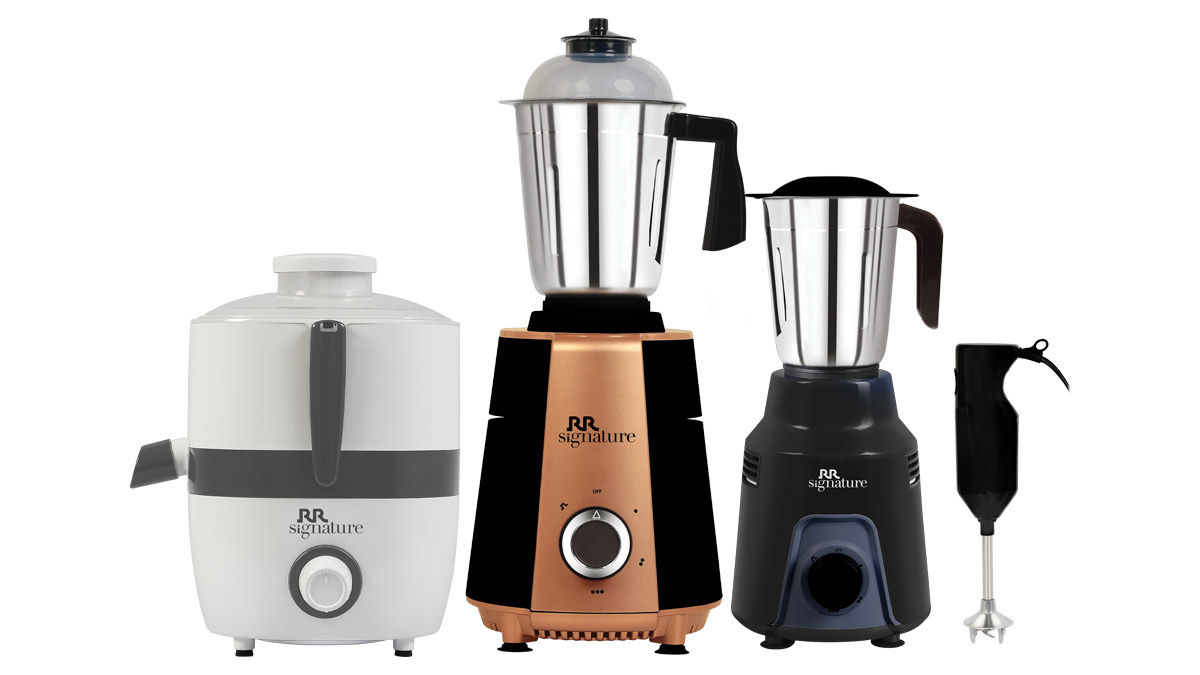
MUMBAI: RR Kabel has just cooked up something new and it’s not just another wire. The leading wires and cables manufacturer has announced a significant expansion of its Fast-Moving Electrical Goods (FMEG) portfolio by entering the kitchen appliances segment and strengthening its air coolers range under the premium RR Signature brand. The company has introduced Mixer Grinders, Electric Cooktops (both Induction and Infra-Red variants), and Hand Blenders. These products mark RR Kabel’s strategic foray into everyday kitchen essentials, allowing it to reach deeper into Indian households beyond traditional electrical categories.
The Induction and Infra-Red Cooktops are seeing particularly strong demand amid global developments affecting LPG pricing and supply. Consumers are increasingly shifting to electric cooking for its energy efficiency, precise control, and safety features. RR Signature is reinforcing its ‘Aapke Kaam Ki Baat’ promise with best-in-class warranties across the range.
The company also plans to introduce additional kitchen appliance categories in FY26-27. In parallel, it has expanded its Air Cooler portfolio with new Industrial (Semi-Commercial) models featuring higher tank capacities and superior air throw, catering to both commercial users and households seeking powerful cooling during intensifying summers.
RR Kabel executive director Mahhesh Kabra said, “Our expansion into kitchen appliances allows us to connect with consumers at more touchpoints in their daily lives, while our expanded air cooler range addresses the rising need for effective cooling solutions. These launches reflect our continued focus on quality, innovation, and market relevance.”
By stepping into kitchen appliances and enhancing its cooling solutions, RR Kabel is wiring itself more deeply into Indian homes proving that even a cables company knows how to heat things up in the kitchen and keep things cool elsewhere. The move positions the brand for broader growth as it evolves from wires to a more complete home solutions player.







