MAM
John Partilla is Time Warner global mkting group president

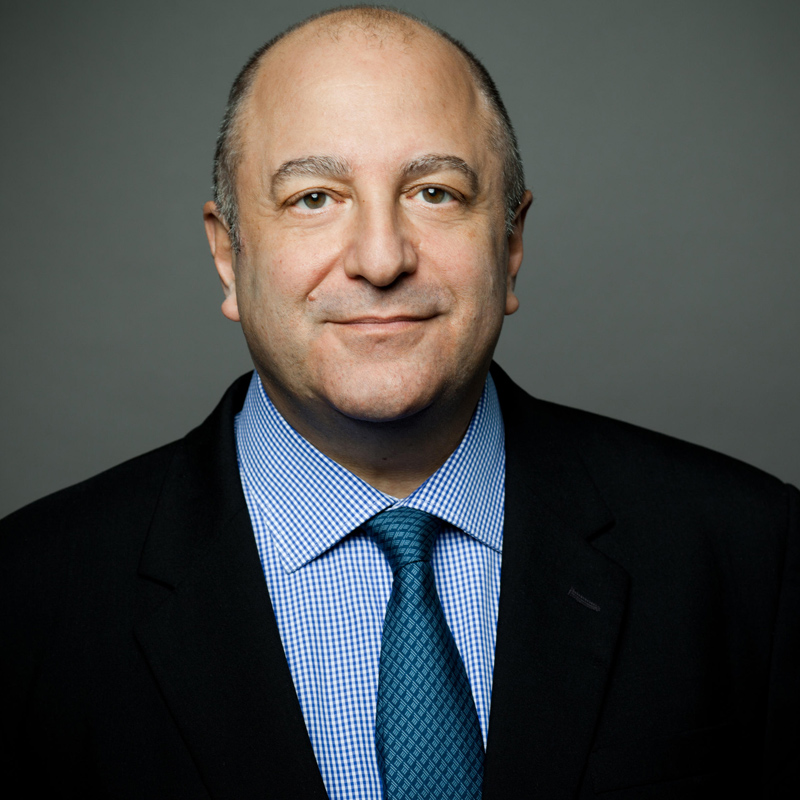
MUMBAI: Media conglomerate Time Warner has appointed John Partilla as the president of its global marketing group. He assumes the role from 14 June.
He will also be Time Warner senior vice president. Partilla succeeds Michael J. Kelly, who moved in January to Time Warner’s America Online unit as the president of AOL Media Networks.
The 39 year old Partilla will oversee the operations of Time Warner’s global marketing group. Working with major advertisers, the Global Marketing group helps to drive the growth of advertising and marketing revenue across all of Time Warner’s businesses.

Partilla added, ” I am looking forward to helping the company continue to build long-term client partnerships. We will be offering creative thinking as well as a unique point of entry to the company’s content, media platforms, consumer relationships and marketing infrastructure.” He will report to Time Warner’s media and communications group chairman Don Logan.
Since 2000 Partilla has served as Brand Buzz CEO. He founded the creative solutions agency within Young & Rubicam. In the past, he led and coordinated Y&R’s business development efforts globally.


Brands
Emami names Dhruv Aggarwal as chief growth officer
Former Bain partner steps in as FMCG firm sharpens growth playbook
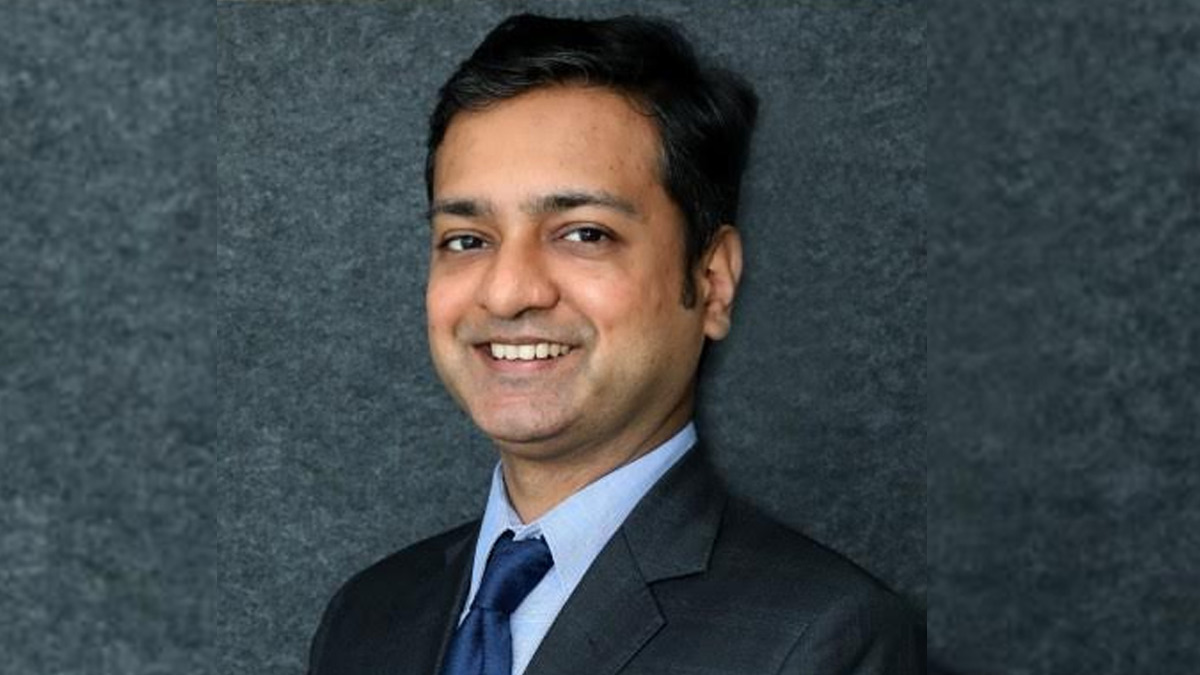
MUMBAI: Emami Limited has appointed Dhruv Aggarwal as its chief growth officer, effective 25 March 2026, following the resignation of Giriraj Bagri.
Aggarwal joins the FMCG major from Bain & Company, where he most recently served as partner. With over two decades of experience across consulting and strategy, he brings a global perspective shaped by work across India, the US, the UK and Germany.
During his tenure at Bain, Aggarwal advised consumer, retail and media companies on large-scale transformations, business turnarounds and growth strategies. He was also closely involved with India’s startup ecosystem, guiding early-stage ventures on scaling and digital expansion, while supporting private equity and venture capital firms on investment decisions.
His earlier stints include a brief role at Barclays Capital and operational experience at Jindal Power, giving him a mix of financial and industry exposure.
Academically, Aggarwal holds an MBA from Indian Institute of Management Bangalore and has also been associated with University of Illinois Urbana-Champaign as a PhD candidate and teaching assistant.
The appointment comes at a time when Emami Limited is looking to sharpen its growth strategy in a competitive consumer market. With a seasoned strategist now at the helm of growth, the company appears set to double down on transformation and expansion in the months ahead.








