MAM
It’s ‘Agility’ for festival of Media Asia Pacific


MUMBAI: The Festival of Media Asia Pacific (FOMAP), the largest gathering of media leaders in Asia Pacific, is back for its third year.
“The theme of this year’s event is ‘Agility’, and will see influential speakers sharing unique regional perspectives on how businesses can be more ‘agile’ in adapting to the ever-changing media landscape,” said, Founder of Festival of Media and Chairman of C Squared Charlie Crowe. “Attendees will have the opportunity to learn about some of the most topical issues affecting the industry today, whilst getting the chance to network with a broad range of media companies from across Asia.”
Topics being discussed at the 2014 event include the future of Native Advertising in Asia, virtual media trading, social media in the newly-opened up Myanmar, unlocking the potential of Indian consumers and understanding Bitcoin, among others.
The Festival will attract over 700 delegates from across 22 countries in Asia, who will be coming together to hear from some of the media industry’s most agile and forward-thinking leaders.

Charlie Crowe added, “A stellar line-up of exciting industry speakers, excellent awards programs, and thought-provoking content, all within the larger Asian media context, means that FOMAP 2014 is set to be the most exciting yet.”
Some of the speakers for the event include:
Linda Yueh, Chief Business Correspondent, BBC World News
Rita Nguyen, Co-Founder and CEO, SQUAR
Vipul Chawla, VP and CMO, Yum! Asia
Mark Laudi, Former CNBC presenter
Daryl Lee, Global CEO, UM
Leo Liang, Senior Director of National Business Development, Youku Tudou
Steve Mosko, President, Sony Pictures Television
Scott Lamb, VP of International, Buzzfeed
Lakshmi Pratury, Host and Curator, The INK Conference
Rose Tsou, Senior Vice President, APAC, Yahoo!
Peter Vessenes, Founder and CEO, CoinLab, Chairman Bitcoin Foundation
Manmeet Vohra, Marketing Director, Tata Starbucks
Jerry Wind, Professor, Wharton Future of Advertising Program
The festival will take place from 16-18 March at the Capella Singapore.





MAM
Ameya Velankar steps down as Uber’s head of marketing for India & South Asia
Veteran marketer exits after more than seven years with the ride-hailing giant.
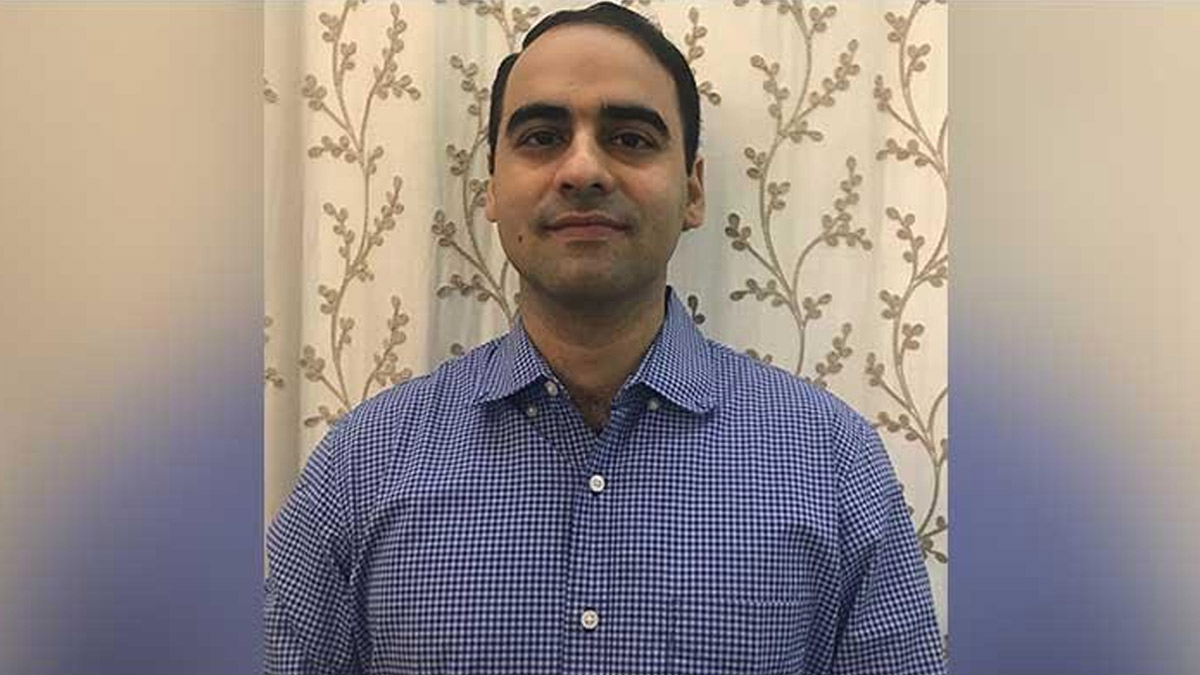
MUMBAI: After more than seven years of steering Uber through the bumpy roads of India’s mobility market, Ameya Velankar has decided to change lanes. Ameya Velankar has stepped down as Head of Marketing for India and South Asia, marking the end of a significant chapter at the ride-hailing company. He had been with Uber since 2019, taking on multiple roles in product and category marketing before rising to lead the marketing function for the region in 2021.
During his tenure, Velankar played a key role in strengthening Uber’s positioning in one of its most competitive and dynamic markets. He helped drive localised marketing strategies and scale adoption across key offerings such as Auto, Moto, Rentals and Intercity, tailoring global platforms to Indian consumer needs.
Prior to joining Uber, Velankar built his marketing expertise at leading consumer companies including SC Johnson and Marico, where he handled category and product leadership roles. His career began at RPG Enterprises.
Details of his next professional move have not been disclosed.
In a fast-evolving mobility landscape where brands constantly battle for attention, Ameya Velankar helped Uber stay relevant and resonant with millions of Indian users. As he moves on from the driver’s seat of marketing, the company will now look for fresh ideas to keep its wheels turning smoothly.






