MAM
ITC’s Fabelle debuts on Metaverse with a 3D wedding


Mumbai: With the new normal setting in, platforms like Metaverse are bringing people closer than ever before. ITC’s luxury chocolate brand Fabelle Exquisite Chocolates made its debut in Metaverse over this weekend.
Fabelle was an integral part of two weddings hosted on the Yug Metaverse and the TardiVerse (metaverse wedding partner – CoinSwitch Kuber) platforms.
In a ‘first-of-its-kind’ wedding event, the groom gifted the bride a metaverse version of Fabelle Trinity Truffles Extraordinaire. The brand further integrated a metaverse version of the Fabelle Chocolates cart, where guests could choose from an array of luxurious chocolates that would be delivered to their doorstep for a delightful experience even after the wedding. The elements of brand integration were conceptualised and deployed in association with Wavemaker India, agency partner of ITC.

“Metaverse is sure to elevate the bar of virtual gathering and meetings in the next few years, and we were one of the first off the block to transition to this platform. We are delighted to make our debut into the metaverse universe, and stand by our promise of delivering unparalleled experiences,” said ITC chocolates, confectionery, coffee, and new categories – food division chief operating officer Anuj Rustagi.
The couple- Abhijeet and Sansrati tied the knot on 5 February on a Made in India platform called Yug Metaverse. The digital avatars of the couple had their ceremony hosted on a scenic beachside venue where the guests also joined in via their digital avatars. The wedding on Saturday coincided with the physical event held in Bhopal.
“Marketing on Metaverse platform is the next wave in digital marketing,” said Wavemaker CEO- South Asia Ajay Gupte. “We have built an in-house team of experts to help our clients navigate better in this domain and find the right fit to associate with metaverse events. Metaverse is still at its nascent stage and offers us a huge opportunity to shape the platform that we really believe in. This is the future of consumer experience and we are all excited to ride this wave.”
Wavemaker India also crafted partnerships with Matrimony.com for the wedding. Talking about the 3D wedding, Matrimony.com chief marketing officer Arjun Bhatia said, “We feel excited about collaborating in a virtual world wedding experiment that opens up immense possibilities of engagement and immersion at YUG metaverse.”
Metaverse is a kind of virtual world where people can enter the digital world through virtual identity. In this virtual space, people also get a chance to hang out, shop, and meet friends. “Metaverse is a new concept and its adoption is still at an early stage worldwide. The team is excited to explore the possibilities that emerging technologies like metaverse, blockchain & cryptocurrency will open up in the future,” said Yug Metavers creator Utkarsh Shukla.







MAM
Beacon Group appoints Dr Rajesh Patel as Group CEO
36-year healthcare veteran to lead Beacon Diagnostics, Vector Biotek, Biogeny.
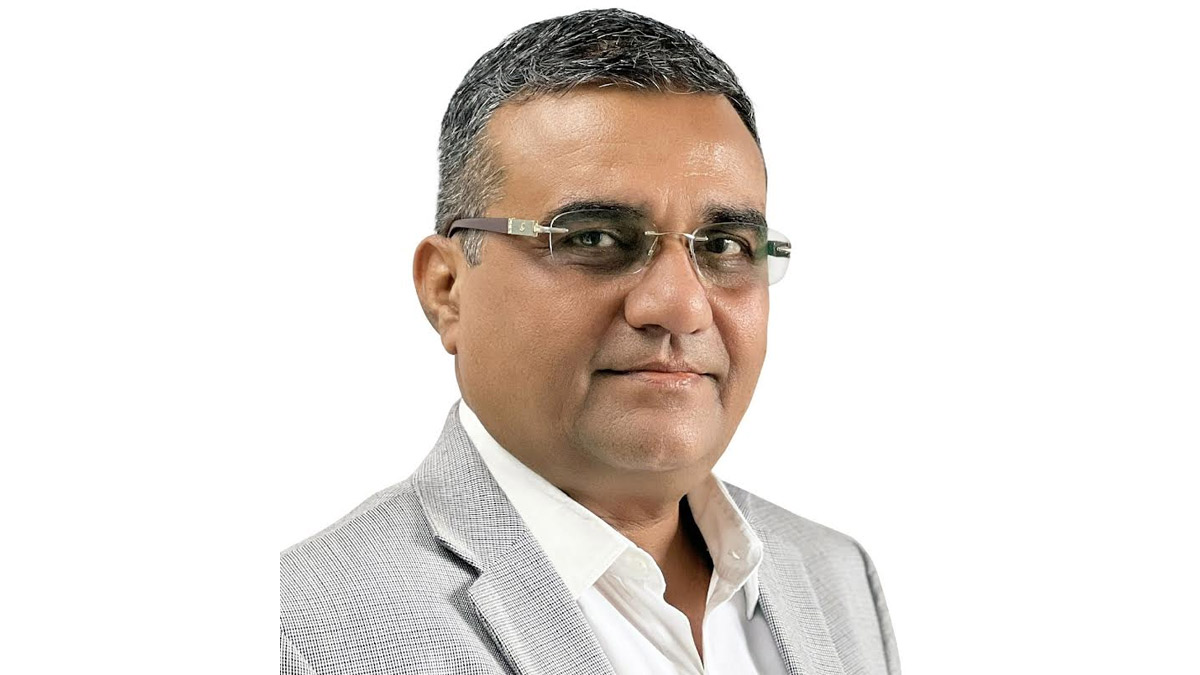
MUMBAI: A new chief, a fresh diagnosis and a sharper prescription for growth. Beacon Group has appointed Dr Rajesh Patel as its Group Chief Executive Officer, effective April 1, 2026, signalling a decisive push to scale its presence in the diagnostics and IVD space. Patel steps into the role with 36 years of experience across the healthcare and diagnostics industry, bringing a career shaped by leadership roles spanning sales, marketing, business development and operational strategy. His mandate is both expansive and precise: to steer the group’s overall strategic direction while tightening coordination across its three core entities Beacon Diagnostics, Vector Biotek and Biogeny Diagnostics.
In practical terms, that means driving cross-company synergies, accelerating market expansion and strengthening organisational capability areas increasingly critical as diagnostic players compete for scale in a fragmented yet rapidly evolving healthcare ecosystem. The group is positioning itself to capture unmet demand across chain laboratories, key accounts and standalone labs, segments that remain underserved despite growing diagnostic needs.
The appointment comes at a time when the In Vitro Diagnostics (IVD) sector in India is entering a more competitive and innovation-led phase, with companies focusing not just on product pipelines but also on service delivery, integration and customer-centric models. Beacon’s leadership appears to be betting that Patel’s execution-focused approach can help translate ambition into operational momentum.
Welcoming the appointment, Chairman Dr D K Joshi described Patel’s induction as a strategic move aligned with the group’s long-term vision, emphasising the role of leadership depth in navigating the next phase of growth.
For Beacon Group, the message is clear, in a sector where precision matters, leadership is the new differentiator—and this appointment is intended to set the tone for what comes next.






