Brands
ITC to use 100% reusable, recyclable or compostable packaging

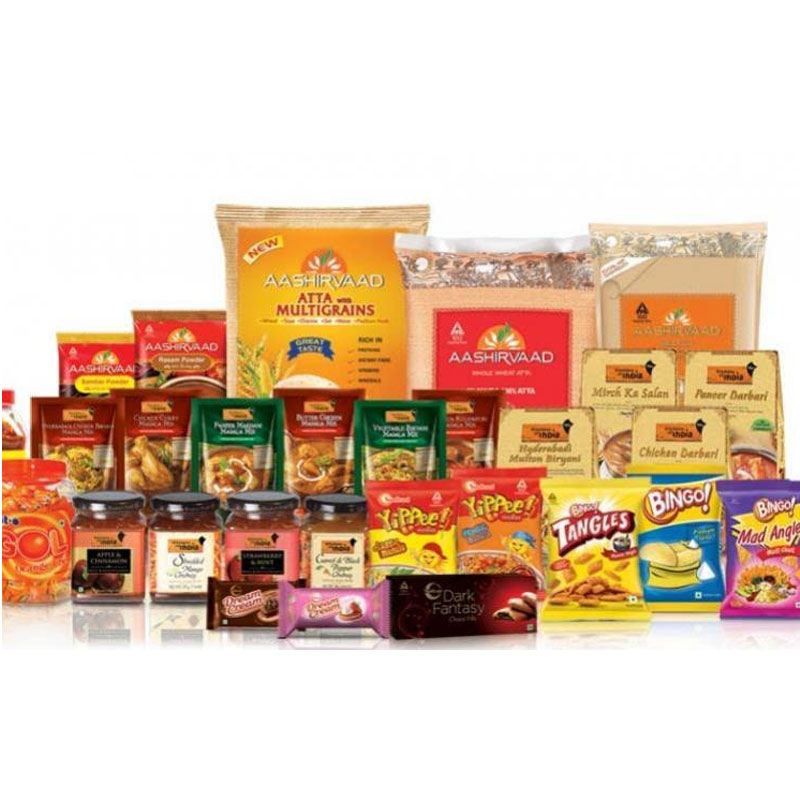
MUMBAI: Multi-business conglomerate, ITC Limited has pledged that over the next decade, going beyond its Extended Producer Responsibility, it will deploy superior solutions so that 100 percent of its product packaging will be reusable, recyclable or compostable.
ITC also reiterated that it is committed to scale up its solid waste management programmes and sustain its leadership position as a Solid Waste Recycling Positive Company.
ITC’s initiatives in the solid waste management of which plastic waste management is a significant component, aim at providing a 360-degree solutions framework to address the critical issue of waste management through packaging optimisation, resource conservation, recycling of waste generated in its operations, source segregation, collection, reuse and recycling. Already over 99 percent of waste generated in ITC’s operations is recycled. ITC’s holistic solid waste management initiatives has now extended to 10 states across the country, covering cities, towns, villages and temples.

In a true spirit of public-private-people partnership, ITC’s waste management models including the flagship initiative Wellbeing Out of Waste, encompass community awareness, segregation, promotion of recycling and reuse through capacity building and development of social entrepreneurship. 100 per cent dry waste including plastic waste is sent for recycling.
ITC Ltd managing director Sanjiv Puri says, “The problem of solid waste management is one of the epic proportions and requires each organ of the society and more so, enterprises that are large economic organs of the society, to make a meaningful contribution. Wellbeing out of Waste (WOW) focuses on providing an end-to-end sustainable and a scalable solution spanning the entire value chain right from awareness, segregation, collection and promotion, reuse or recycle of solid waste. The benefits of these are already available to 77 lakh citizens of the country and over time, we are going to scale this up and enhance our contribution to the Prime Minister’s Vision of Swachh Bharat.”
“As a Company which is carbon positive, water positive and solid waste recycling positive for over a decade, ITC is committed to shaping a secure, sustainable and inclusive future through superior Triple Bottom Line performance,” he added.
Other than the Wellbeing Out of Waste (WOW) programmes that is operational in cities and large towns, ITC has initiated a number of community-managed projects in villages and towns to address the issue of waste management. Under ITC’s Green Temple initiative, three of Tamil Nadu’s eminent temples are turning their premises into zero garbage zones by recycling the organic waste from daily offerings – benefitting both the temples and their neighbourhoods with cleaner and healthier surroundings.
ITC is also collaborating with the municipal corporations of Delhi, Hyderabad, Bengaluru, Saharanpur, Muzaffarpur, among others to ensure cleaner and greener cities.
WOW works by building partnerships, giving each stakeholder including rag-pickers and waste workers a role and responsibility and leveraging their capabilities as productively as possible. It optimises resources – using existing infrastructure where available and creating new where required.







Brands
YES Bank appoints S Anantharaman as chief risk officer
Former Jio Financial Services group chief risk officer takes charge of enterprise-wide risk at the embattled private lender
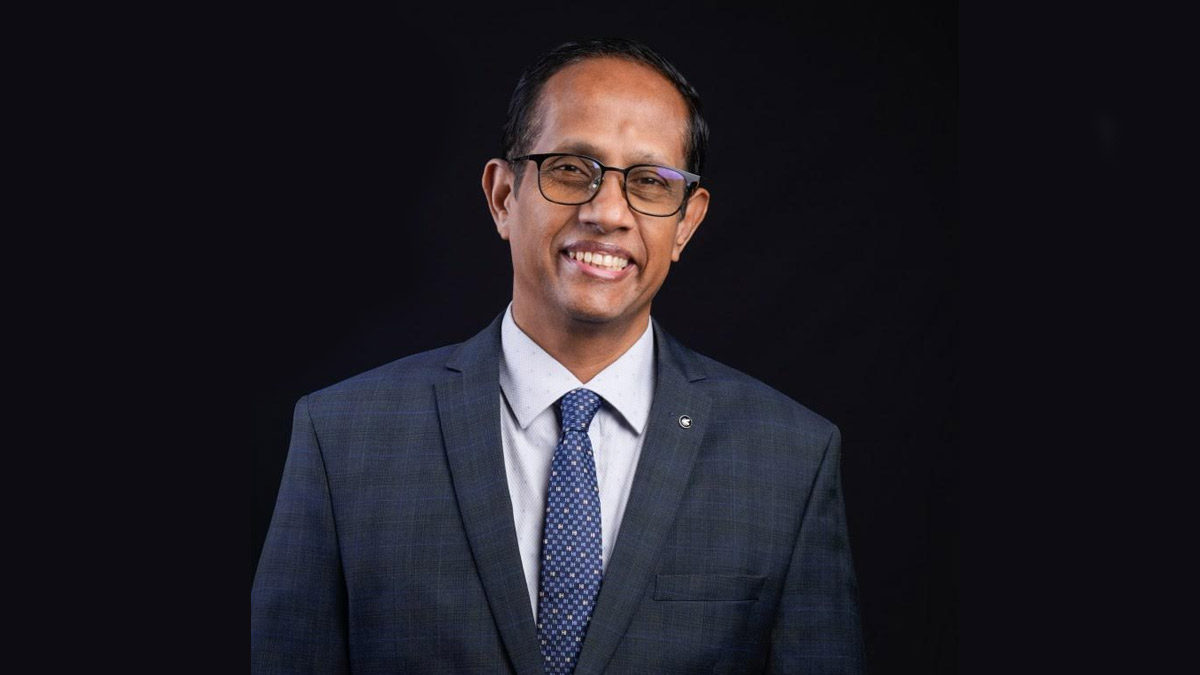
MUMBAI: YES Bank is not taking chances with risk anymore. The private lender has appointed S Anantharaman as its chief risk officer, a hire that signals the bank’s continued effort to rebuild credibility and tighten the controls that once famously slipped.
Anantharaman arrives from Jio Financial Services, where he served as group chief risk officer and built a risk management architecture spanning lending, payments, insurance broking and asset management from the ground up. Before that, he held the chief risk officer role at Bank of Baroda and senior leadership positions at HDFC Bank and L&T Finance Holdings. Three decades in banking and financial services, in other words, with scars and qualifications to match. He is a chartered accountant and a CFA charterholder.
At YES Bank, his brief is considerable. Anantharaman will oversee the bank’s entire enterprise-wide risk framework, covering credit policy, market risk, operational risk, information security, data governance, analytics, model governance and data privacy. It is, in short, every lever that matters when a bank is trying to prove it has grown up.
YES Bank’s turbulent past needs little rehearsing. What it needs now is exactly what Anantharaman has spent thirty years building: the kind of risk culture that stops problems before they become headlines. The appointment suggests the bank knows it.






