MAM
Isobar Launches ‘Augmented Humanity: Isobar Trends Report 2019’

MUMBAI: Isobar, a leading global digital agency from Dentsu Aegis Network, today releases ‘Augmented Humanity: Isobar Trends Report 2019, an exploration of five digital trends for 2019. The report explores the extent to which humanity will work in harmony with technology to expand and enrich life in 2019, and is available to download at isobar.com.
Written by the innovation and strategy experts across Isobar’s 85 offices in 45 markets, the report builds on the concept of Augmented Humanity, developed by Isobar in 2018. The 2019 trends report explores the changing nature of the human relationship with technology: from how we work and play, to how we travel, shop, spend our leisure time and engage with brands.
The report is centered around a belief that technology augments our experience of the world, allowing us to work more efficiently, to live healthier lifestyles, to make better human decisions and to expand our creativity. It explains why Isobar believes that this is an important moment in human history, outlines some of the myriad opportunities that these technological developments open up and shines a light on some of the challenges posed by digital disruption.

Isobar’s five key trends for 2019 are:
1) The evolving interface – How the intersection between humans and technology is changing
2) The human algorithm – How data can help us to better understand ourselves and enable better decisions
3) The fluid vs the collective self – How the digital world enhances personal and collective experiences
4) The trust paradox – How technology can help – or hinder – our understanding of the increasingly complex world around us
5) The transformed experience – How Augmented Humanity enables us to feel and experience the world differently and in deeper ways
The annual report provides guidance on navigating this new landscape to keep businesses and brands ahead of the curve for 2019 and beyond. Each chapter outlines why these developments are important, key examples of the trends in action, why businesses need to be aware of them, and how they can take advantage of their positive potential.
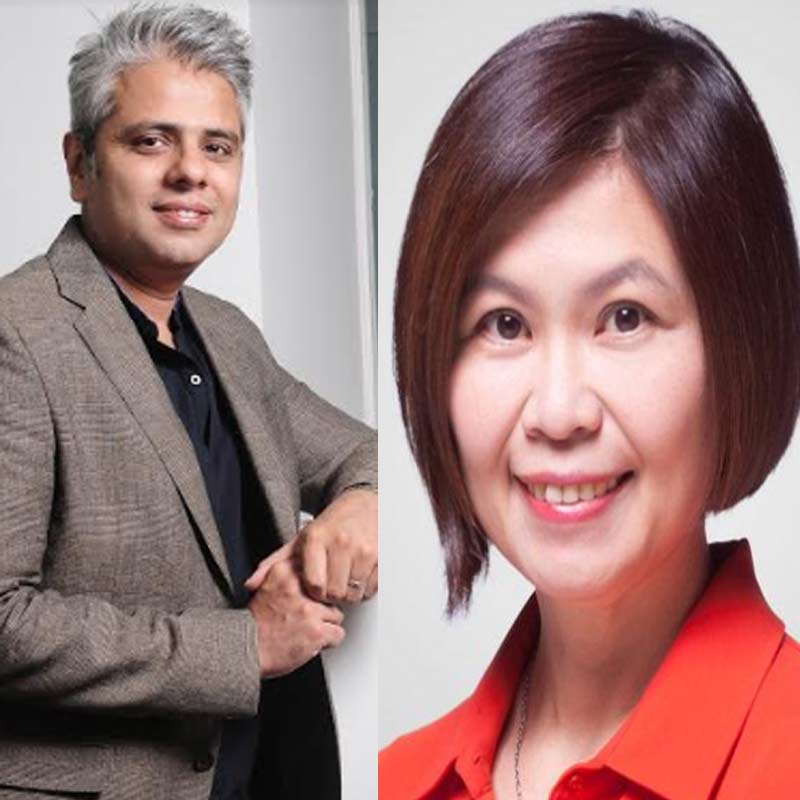
Jean Lin, Isobar’s Global CEO, said, “Technology today plays a key role in driving relevance, scale, and elevating human experiences. It is our job to harness its wonderful power and the potential for businesses and brands, in serving people better in the age of Augmented Humanity.”
Commenting on the launch, Shamsuddin Jasani, Group Managing Director, Isobar South Asia states, “We need to embrace the power of technology. Today, we are on the edge of an augmented age where technology is redefining the possibilities of what a human can truly be capable of. This next phase of transformational technological advances, wearable and embedded devices will unlock human potential by tapping into almost all our day to day activities. In 2019, we shall see how digital is going to be omnipresent and VOICE will be the biggest game changer in the field of marketing.”





Brands
Kingfisher signs three-year IPL partnership
Packaged water brand signs on as ‘good times partner’ for 2026–28 cycle
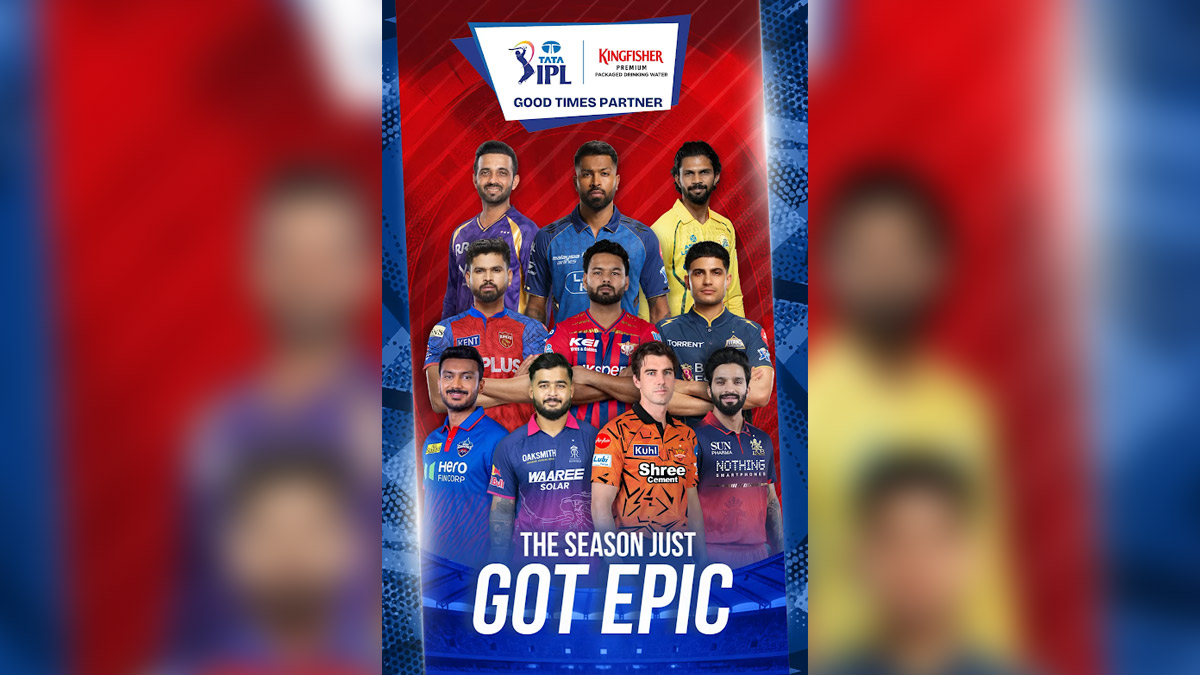
MUMBAI: Kingfisher Premium Packaged Drinking Water is betting big on cricket’s biggest stage, sealing a three-year partnership with the Board of Control for Cricket in India to sharpen fan engagement at the TATA Indian Premier League.
The brand, owned by United Breweries, will serve as the official “good times partner” for the men’s IPL from 2026 to 2028, extending a relationship that began with the Women’s Premier League. The move signals a broader push to embed itself deeper into live sport, with a focus on immersive, consumer-led experiences rather than conventional sponsorship visibility.
At the heart of the tie-up is a suite of fan-first activations spanning broadcast, stadiums and digital channels. These include the “Kingfisher Bird Cam”, offering a branded spider-cam perspective during live matches, and the “Good Times Zone”, an in-stadium entertainment hub during play-offs aimed at amplifying match-day buzz. The brand will also back IPL fan parks, elevate public screening experiences and run digital contests tied to key moments through the season.
Vikram Bahl, chief marketing officer, United Breweries, said cricket in India “is more than a sport, it is a shared cultural moment”, adding that the IPL brings that energy alive at scale. “For Kingfisher Premium Packaged Drinking Water, being present at the heart of these moments, in partnership with the BCCI, is a natural extension of what we stand for. Through this association, we aim to enrich how fans experience the game… making every match more immersive, social and memorable,” Bahl said.
Devajit Saikia, honorary secretary, BCCI, said the IPL “has always been at the forefront of redefining sports entertainment and fan engagement”. He added that the collaboration would fuse cricket fandom with “innovative fan experiences that extend beyond the stadium”, helping create memorable moments for audiences nationwide.
For United Breweries, part of the HEINEKEN group, the play is clear: move from passive branding to active participation in the fan journey—on screens, in stands and across social spaces. With millions tuning in and turning up each season, the IPL remains the country’s most potent marketing theatre. The question now is whether “good times” can translate into lasting brand recall in a market where visibility is easy, but engagement is hard-won.








