MAM
“Intolerance is a politicized term which suits everyone including media, ratings, etc”: Shobhaa De


GOA: “India is hugely tolerant. Tolerance and intolerance are very loaded words. India is highly tolerant because we tolerate dirt and tolerant corruption. We are fine about rapes, violence against men, women and children, cold blooded daylight murders, etc. We all consider holy frauds, God frauds, women in saffron, women not in saffron, all of them perpetuating hate in the country.”
Coming from an established writer, columnist, opinion shaper and social commentator Shobhaa De at the first session of Day 2 at Goafest, the words were no surprise.
And reiterating this, the person who is considered an authority on popular culture spoke about being outspoken in an intolerant world.

She said the young persons in the country carry messages strongly and will do what they think is correct. “We have forgotten defining moments. I think India has some short memory issues”.
“Intolerance is a politicized term which suits everyone including media, ratings, etc”. De noted that every person should look ahead of things in his or her own way rather than voicing anyone else’s opinion.
In a room full of stalwarts from media, advertising and marketing industry, she praised ad agencies and termed them as ‘game changers’ for positioning women as well as the nation in a totally different way.
De spoke about how ads can go wrong at times with their content. She mentioned about a famous fairness cream and how she opposes the entire idea behind that ad though she appreciates the ad campaign.
In today’s world, we come across many people who speak their mind out without worrying about the end result. But she referred to how being outspoken gets people in a lot of trouble because challenging a point of view that is not in consonance with theirs is bad. She condemned India’s ‘seemingly’ favourite line for young girls ‘adjust kar le beta’.
De boldly spoke of how accommodating views that are perpetrating and are intrinsically ugly are wrong. “Noone should ever adjust to justice. A person should confront the unfair event, speak up about it, may be intervene and help. Being outspoken is not a bad thing. It requires moral courage. As a citizen of this democracy, you should exercise this or else you will be dead; intellectually, morally and physically”.
When asked whether intolerance is a new phenomena or a social media driving awareness, she pointed out that it is not a new phenomena which the generation has invented. De mentioned referred to the positives and negatives of social media and explained how a message can be misinterpreted because of the language used.
“I tweet and therefore I am. If you don’t tweet you are not there. You can’t say that I will shut these platforms. You have to deal with them.”
Asked about the importance of free speech, De said: “It is not as terrible as the media wants it to be. We live in an augmented, opinionated, volatile and articulated country. But nothing can keep us down. Free speech is ingrained in every Indian and the advertising community is brilliant in capturing the zeitgeist. “
She also referred ti her own observation about how there is a tremendous change in portrayal of women and senior citizens in ads. “The senior citizens are no longer ‘becharas’; housewives have found a voice. These are subliminal messages, but they go a long way in influencing mindsets.”
On gender neutrality, she said society is structured and is weighed against women.
With no regrets, De related how her journey has been and always anticipates what would wait for her at the end. “My life is like a river finding its own coast. Not knowing what is at the end always drives me further”, she said..







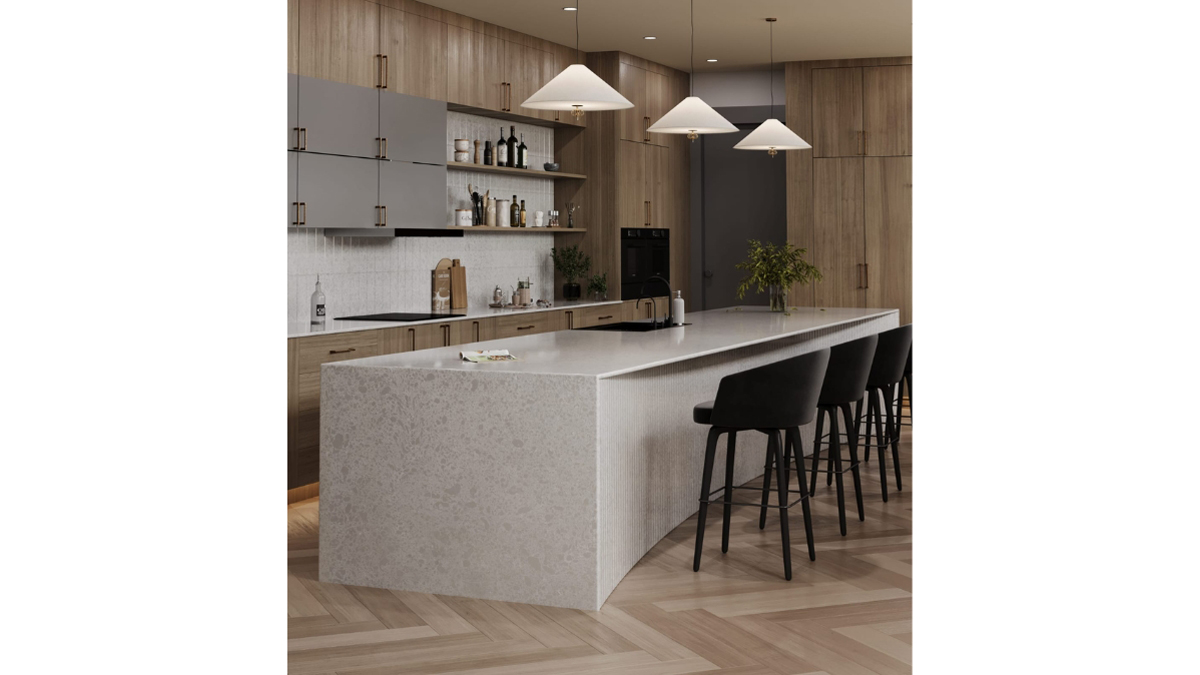
As homes evolve to reflect a growing focus on wellness, hygiene, and long-term durability, the materials we choose are coming under sharper scrutiny. It’s no longer just about how a space looks, but also about how it performs under daily use. From accidental spills in the kitchen to everyday wear in living spaces, the right materials can make the difference between a home that simply appears clean and one that actively supports healthier living.
Across categories like paints, surfaces, and furniture, there is a clear shift towards solutions that minimise toxins, resist stains, and are easier to maintain. Here’s how thoughtful material choices can help create a home that is both beautiful and better for everyday life.
Cleaner Walls: The Shift to Low-VOC Paints
Walls cover the largest surface area in any home, making them a critical factor in indoor air quality. Traditional paints often contain high levels of Volatile Organic Compounds (VOCs), or chemicals that can release harmful fumes long after application. These emissions are known to contribute to headaches, respiratory irritation, and long-term health concerns, particularly in enclosed spaces.
This has led to a growing preference for eco-friendly paints, which are formulated using natural, non-toxic, and sustainable materials. With low to zero VOC content, these paints significantly reduce indoor air pollution and create a safer environment for families, especially children and the elderly. Water-based formulations are another key advancement, as they limit the use of hazardous solvents without compromising on finish or durability. Brands like Nippon Paint have introduced eco-friendly, child-safe paint ranges that align with this shift towards healthier interiors.
Beyond composition, finish also plays a role in maintenance. Satin, eggshell, and semi-gloss emulsions are increasingly preferred for interiors, as they are less absorbent and more resistant to stains, making walls easier to clean and maintain over time.
Hygienic Surfaces: Where Performance Meets Everyday Living
If walls influence air quality, surfaces, especially in kitchens and children’s bedrooms or play areas, directly impact hygiene. Interestingly, studies have shown that kitchen surfaces can sometimes harbour more bacteria than bathrooms, largely due to frequent exposure to food, moisture, and spills.
This makes the choice of countertop and surface material particularly important. Porous materials can absorb liquids, leading to staining and potential bacterial growth over time. In contrast, non-porous surfaces offer a more hygienic alternative, as they prevent absorption and are easier to clean.
Engineered quartz surfaces have emerged as a strong solution in this space. For instance, offerings from Specta Quartz Surfaces are designed to address both hygiene and durability concerns. Being non-porous and impenetrable, these surfaces do not absorb liquids, making them resistant to common household stains such as tea, coffee, turmeric, or juice. They also offer ease of maintenance, as most spills can be cleaned with a damp cloth, and occasional use of mild soap is enough to restore the surface.
Additionally, they are NSF and GreenGuard certified, proving that these surfaces are safe for direct food contact and do not support the growth of bacteria, mould, or mildew. This is particularly relevant in Indian kitchens, where cooking often involves heavy use of spices, oils, and frequent cleaning.
Smart Furniture Choices
Furniture is another area where material choice plays a crucial role in maintaining a clean and healthy home. Sofas, chairs, and wardrobes are constantly exposed to dust, spills, and daily wear, making durability and stain resistance key considerations. Fabrics like microfiber, leather, and synthetic blends like polyester or olefin are becoming popular for upholstered furniture. These materials are designed to repel liquids, resist scratches, and withstand regular use, making them ideal for households with children or pets.
Brands like Orange Tree offer furniture that combines aesthetic appeal with practical material choices. Laminates from companies like Century Ply are now designed to be stain-resistant and durable, making them suitable for wardrobes, cabinets, and seating. These finishes not only enhance longevity but also reduce the effort required for daily upkeep.
Designing for Long-Term Well-Being
What ties these material choices together is a broader shift in how we think about our homes. Cleanliness is no longer just about routine maintenance, it begins with selecting materials that are inherently easier to maintain, safer to use, and more resistant to wear.
Low-VOC paints contribute to better air quality, non-porous surfaces improve hygiene, and performance-driven furniture materials reduce the stress of everyday living. Together, they create an environment that supports both physical health and peace of mind.
As modern lifestyles become more fast-paced, the demand for homes that are low-maintenance yet high-performing will only continue to grow. By choosing materials that can handle spills, resist stains, and stand the test of time, homeowners can create spaces that are not just visually appealing, but also fundamentally healthier to live in.







