MAM
Interface Communications creates M&M’s new campaign


Mumbai: SUV manufacturer Mahindra & Mahindra (M&M) has launched a new TVC for the recently launched new Xylo, conceptualised by Interface Communications.
Fashion photographer Atul Kasbekar continues as brand endorser.
The new TVC continues with the Xylo‘s brand promise of ‘Time of your life‘. It aims to give a whole new dimension to Xylo‘s first makeover.

The communication focuses on the makeover as well and highlights the changes in design and styling of the Xylo.
M&M VP – marketing, automotive division Vivek Nayer said, “The creative idea of using a car wash to depict a make over reveals the stylish New Xylo in a fun and clutter breaking manner. And as before, fashion photographer Atul Kasbekar and his models add to the trendy quotient. We are sure that the new campaign will motivate many customers to consider the stylish new Xylo in their next car purchase.”
Interface Communications NCD Robby Mathew said, “Communicating the styling changes in a vehicle can become very literal and boring. Hence the idea of a visit to a car wash which cascades into a car makeover, thus, revealing the stylish new Xylo.”






MAM
PwC India announces leadership change in Deals practice
Shashank Jain steps down as co-leader after nearly three decades with the firm.
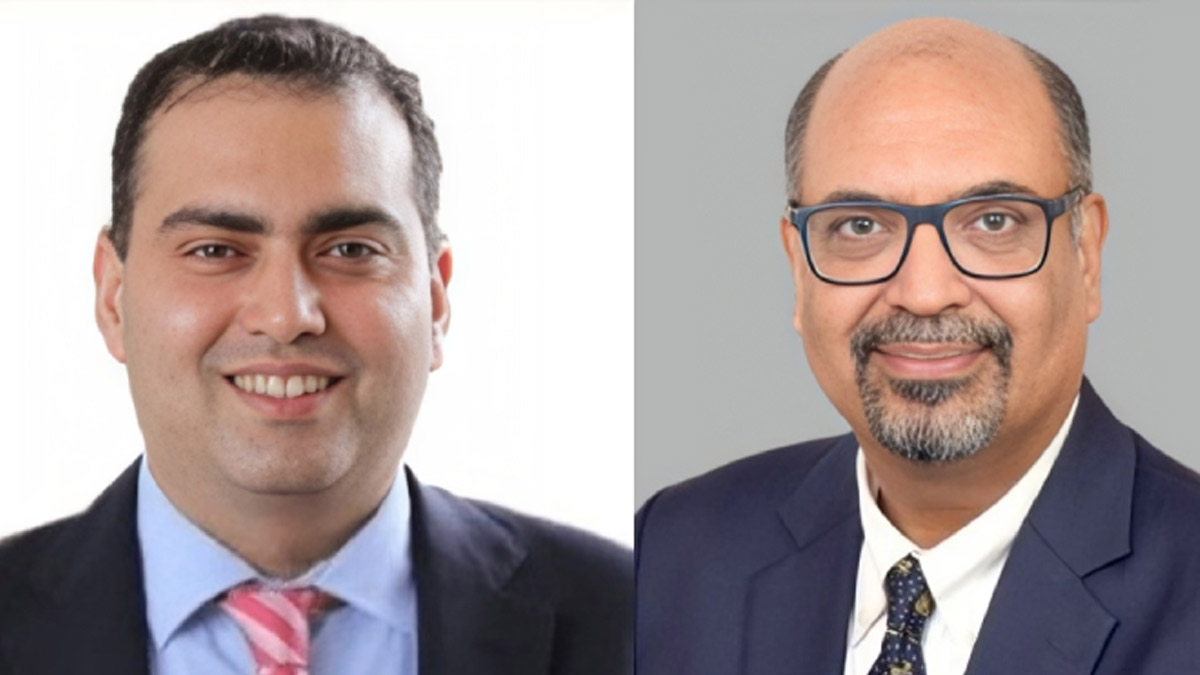
MUMBAI: When one dealmaker steps off the pitch, another is ready to take the baton because in the fast-moving world of transactions, the game never really stops. PwC India has announced a leadership transition in its Deals practice, with Shashank Jain stepping down from his role as co-leader to pursue an opportunity in the industry. The practice will continue to be led by Mohit Chopra, ensuring continuity and sustained growth momentum.
PwC India partner and leader for advisory dinesh Arora paid tribute to Jain’s contributions. “We deeply appreciate the significant contributions made by Shashank over close to three decades he has spent with PwC, particularly his defining role in shaping and strengthening our Transaction Services practice in India,” he said. Arora highlighted Jain’s support for clients through some of the most complex and significant transactions in the Indian market, noting his deep technical expertise, sound judgment and nuanced understanding of the evolving M&A landscape.
The Deals practice remains a key growth driver for PwC India, and the firm expects continued expansion under Mohit Chopra’s leadership. He will continue to guide clients through complex transactions and transformational business moments, building on the strong foundation established over the years.
Reflecting on his journey, Shashank Jain said, “I have had an exceptional journey at PwC. I owe my growth and learning to the nurturing environment and leadership development that PwC provided.” He added that he had been working closely with Mohit and the larger team to ensure a smooth transition and expressed confidence that Chopra would take the Deals practice to newer heights.
From intern to respected deals leader, Shashank Jain has clearly closed many successful transactions and now, it seems, he’s ready to strike a new deal of his own.