MAM
IndusInd Bank launches ‘NRI homecoming festival’ in Kerala


Mumbai: In light of the vibrant Onam festival and to celebrate the special Onam festival spirit with its NRI customers across Kerala, IndusInd Bank has today announced the launch of its ‘NRI Homecoming’ festival in Kerala. This festival is to mark the eagerly awaited return of non-resident Indians (NRIs) to their homeland and to create an experience for the Bank’s NRI clients with a grand celebration of Onam. The Branches are being decorated and a host of initiatives are being planned to welcome the NRIs.
As a part of this Onam celebration, the Bank extends a warm invitation to its valued NRI customers and their families to visit the Bank’s branches and join in a joyful high tea gathering and lamp-lighting ceremony. Bank has also organised exclusive movie screenings in Calicut, Kochi and Trivandrum for NRI customers & their families. There are a lot of other fun-filled activities planned by the Bank for NRIs customers & their families, including getting a handmade family portrait made by a local artist. IndusInd Bank will also arrange sessions on financial literacy for NRI customers to educate them on their financial needs and financial planning. The event would be hosted by some of the best financial planners to help them secure their financial goals.
Besides, to make the festival even more enriching for its NRI customers, IndusInd Bank is delighted to offer an array of exclusive benefits to its customers. These include the privilege of selecting a preferred Account Number and access to an exceptional best-in-class interest rate of up to 6.75 per cent on NRE/NRO Savings Accounts. Customers can also reap the rewards of attractive returns on Fixed Deposits, with potential earnings of up to 7.5 per cent p.a. on NRE/NRO Deposits and up to 5.85 per cent on USD FCNR Deposits.

Additionally, IndusInd Bank has launched one of its kind online remittance to India platform ‘IndusFastremit.com’, now you are not required to search for options on money transfer companies. IndusFastRemit.com does it for you by bringing key partners on the same window, just compare exchange rates and the time to credit into your account in India. Furthermore, the Bank aims to promote awareness about the financial solutions tailored for the NRI segment. These informative sessions will be held across all branches of the Bank in Kerala during this festive period. These initiatives are in alignment with the fact that the Onam festival sees a huge number of NRIs from the Gulf region coming back to their homeland – Kerala and Kerala is one of the focus markets for the Bank.






Brands
Kaspersky and KidZania want Indian children to fight hackers before they hit their teens
Kaspersky and KidZania open a cyber investigation centre in Mumbai to teach children how to outsmart hackers
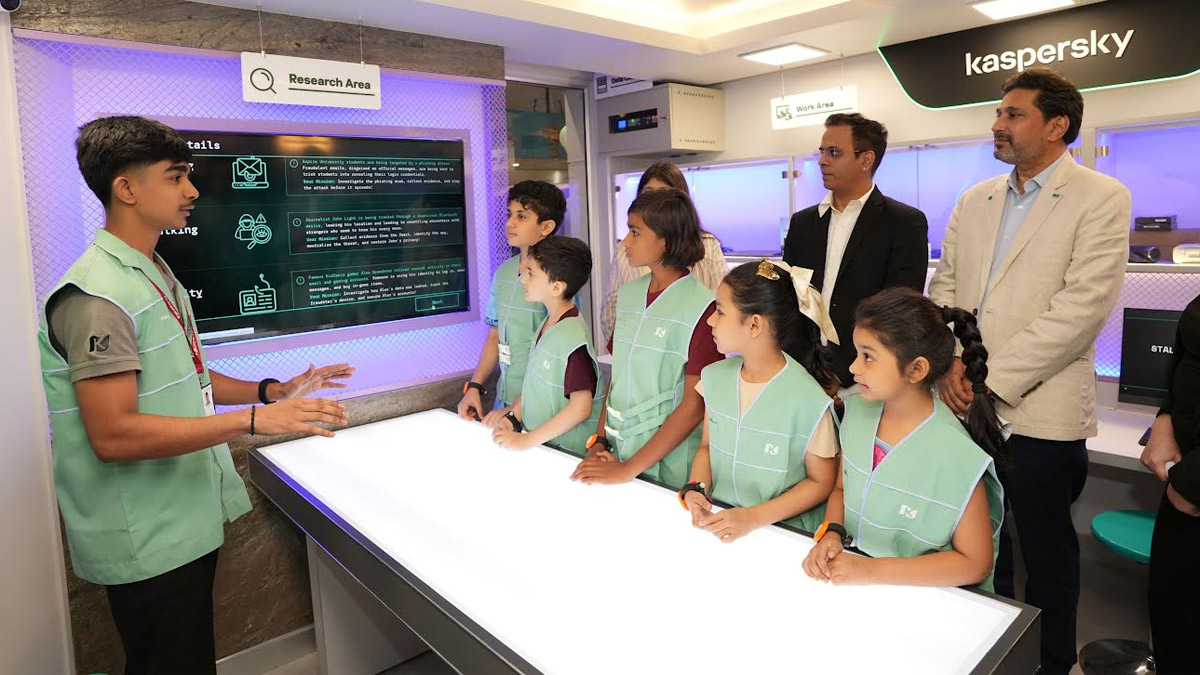
MUMBAI: India’s children are growing up online faster than anyone can protect them. Kaspersky, the global cybersecurity firm, is betting that the best way to fix that is to make six-year-olds feel like detectives.
The company has opened a Cyber Investigation Centre inside KidZania Mumbai at R City Mall, Ghatkopar, in what it is calling a first-of-its-kind cybersecurity role-play experience for children. Kids suit up in Kaspersky uniforms, sit down at dedicated workstations loaded with security software, and spend 20 minutes cracking simulated cases of phishing, identity theft and cyberbullying. Up to six children can play investigator at a time. Those who crack the case walk away with a personalised Kaspersky Cyber Investigator card — and a healthy suspicion of dodgy links.
The timing is not accidental. In India, 82.2 per cent of children have access to a mobile device by the age of 14. They use it to stream, game, chat and study. Most of them have never heard the word “phishing.”
“The earlier we equip children with the awareness and skills to navigate the digital world safely, the stronger our collective digital future becomes,” said Jaydeep Singh, general manager for India at Kaspersky. Tarandeep Singh Sekhon, chief business officer of KidZania India, put it more plainly: “Every parent today is thinking about how to prepare their child for a digital-first future.”
The partnership comes with commercial sweeteners. Visitors buying KidZania tickets get a complimentary two-month Kaspersky trial subscription. Annual pass holders get a full year’s subscription thrown in. Discount vouchers go out at the exit gates.
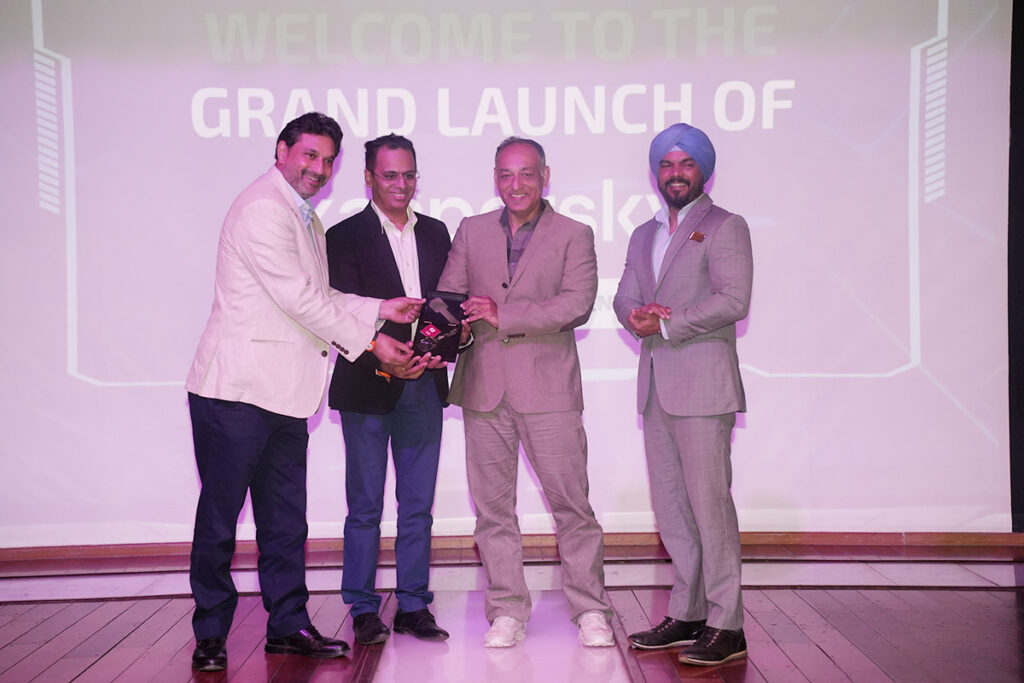
The launch ceremony leaned into KidZania’s theatrical DNA — a diya lighting, a dance performance, a key handover, a parade through the miniature city, and a ribbon-cutting at the new centre.
Cybercriminals, it turns out, do not discriminate by age. Kaspersky and KidZania are hoping that neither will the next generation of people trying to stop them.







