Brands
IndiGo CEO Pieter Elbers steps down; Rahul Bhatia steps in as interim boss
Leadership change follows flight disruption crisis and regulatory scrutiny

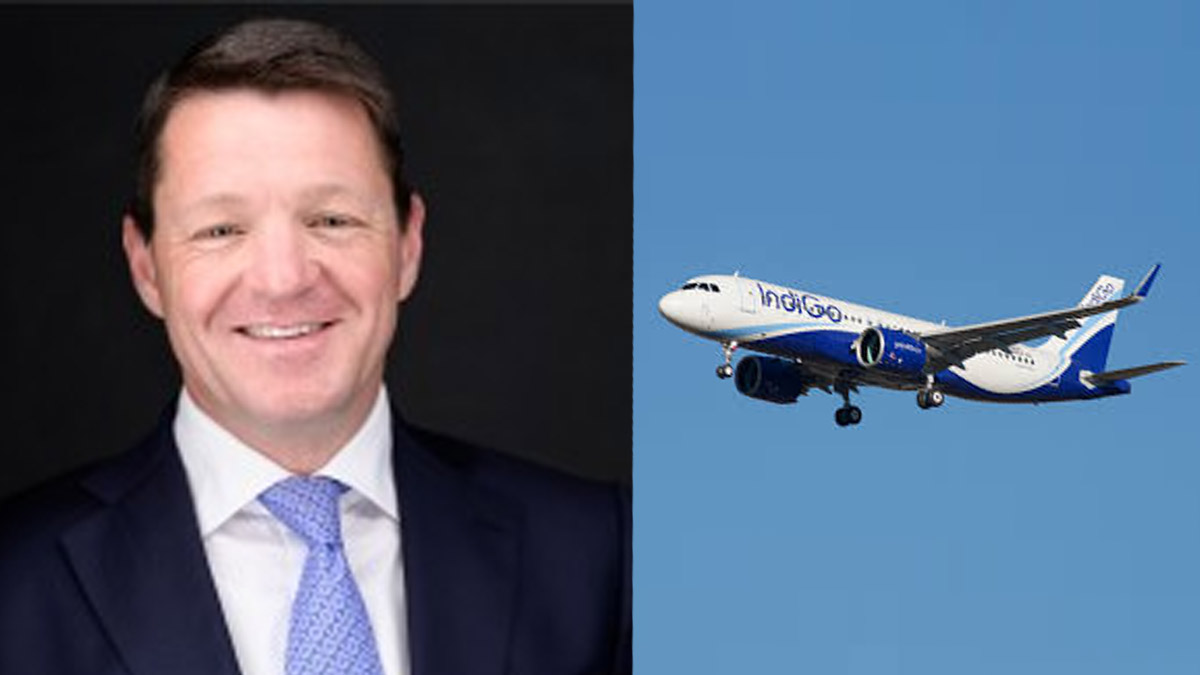
Pieter Elbers has exited the cockpit at IndiGo. The chief executive of India’s largest airline stepped down at the close of business on March 10, 2026, triggering a swift leadership reshuffle at the country’s dominant carrier.
Rahul Bhatia, managing director of IndiGo’s parent InterGlobe Aviation, will temporarily oversee the airline’s operations and management while the board considers its next leadership move.
Elbers, who joined IndiGo in 2022 after a long stint at KLM Royal Dutch Airlines, was brought in to steer the airline through its next phase of international expansion and operational scale. His departure comes after a turbulent few months for the carrier.

In late 2025, IndiGo faced sharp criticism after cancelling more than 500 flights on November 5 and another 650 on November 7, leaving thousands of passengers stranded across India during peak travel season. The disruptions triggered regulatory scrutiny, with the Directorate General of Civil Aviation issuing a show-cause notice and later imposing a Rs 22 crore penalty linked to crew roster failures.
A subsequent inquiry found the airline had over-optimised operations, relied heavily on crew repositioning and tail swaps, and failed to maintain adequate operational buffers under new pilot rest rules.
In an internal message to employees following Elbers’ resignation, Bhatia struck a reassuring tone. Referencing the popular film phrase “Main hoon na”, he told staff he would stand with them as the airline worked to restore operational stability after the crisis.
“What happened last December should never have taken place,” Bhatia wrote, acknowledging the strain the disruptions placed on frontline employees.
Despite the turbulence, IndiGo remains firmly in command of India’s skies. The airline continues to hold more than 60 per cent of the domestic market, far ahead of its rivals.
Financially, however, the ride has been bumpier. In the December quarter, IndiGo’s consolidated profit plunged 77.55 per cent year-on-year to Rs 549.8 crore, down from Rs 2,448.8 crore a year earlier, even as revenue from operations rose 6.2 per cent to Rs 23,471.9 crore.
Elbers leaves behind a carrier that still dominates India’s aviation market—but one that has recently been reminded how quickly turbulence can hit even the strongest flyers.





Brands
YES Bank appoints S Anantharaman as chief risk officer
Former Jio Financial Services group chief risk officer takes charge of enterprise-wide risk at the embattled private lender
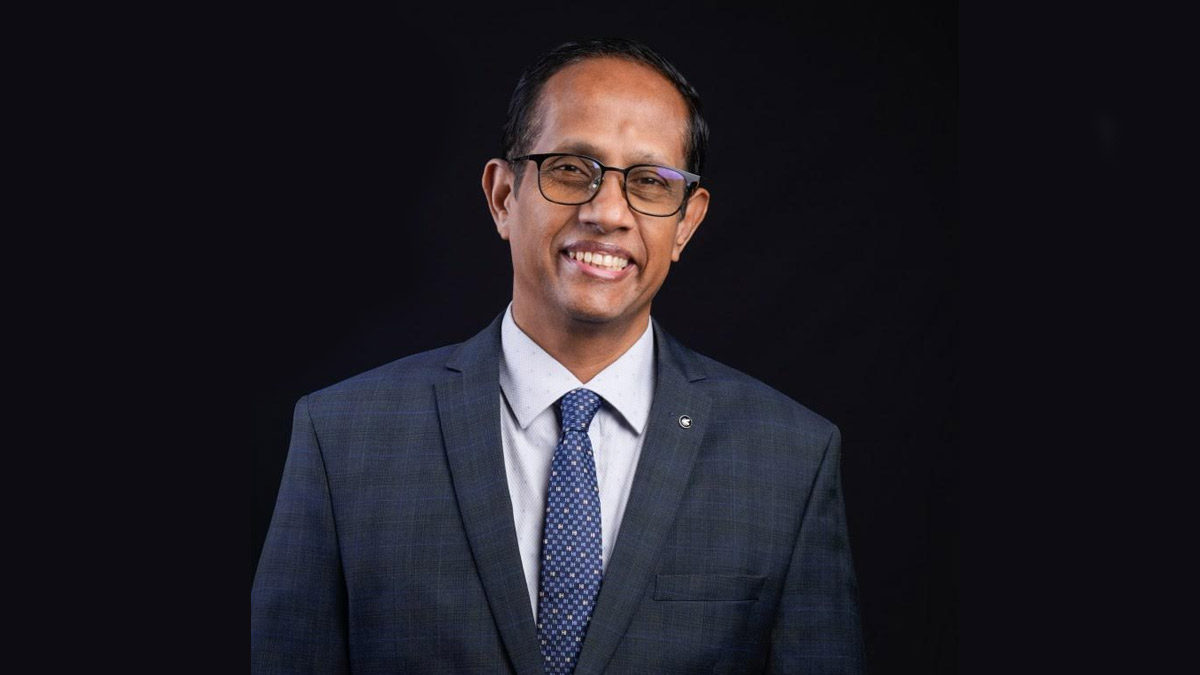
MUMBAI: YES Bank is not taking chances with risk anymore. The private lender has appointed S Anantharaman as its chief risk officer, a hire that signals the bank’s continued effort to rebuild credibility and tighten the controls that once famously slipped.
Anantharaman arrives from Jio Financial Services, where he served as group chief risk officer and built a risk management architecture spanning lending, payments, insurance broking and asset management from the ground up. Before that, he held the chief risk officer role at Bank of Baroda and senior leadership positions at HDFC Bank and L&T Finance Holdings. Three decades in banking and financial services, in other words, with scars and qualifications to match. He is a chartered accountant and a CFA charterholder.
At YES Bank, his brief is considerable. Anantharaman will oversee the bank’s entire enterprise-wide risk framework, covering credit policy, market risk, operational risk, information security, data governance, analytics, model governance and data privacy. It is, in short, every lever that matters when a bank is trying to prove it has grown up.
YES Bank’s turbulent past needs little rehearsing. What it needs now is exactly what Anantharaman has spent thirty years building: the kind of risk culture that stops problems before they become headlines. The appointment suggests the bank knows it.






