MAM
India’s energy heroes leap from oilfields to comic pages

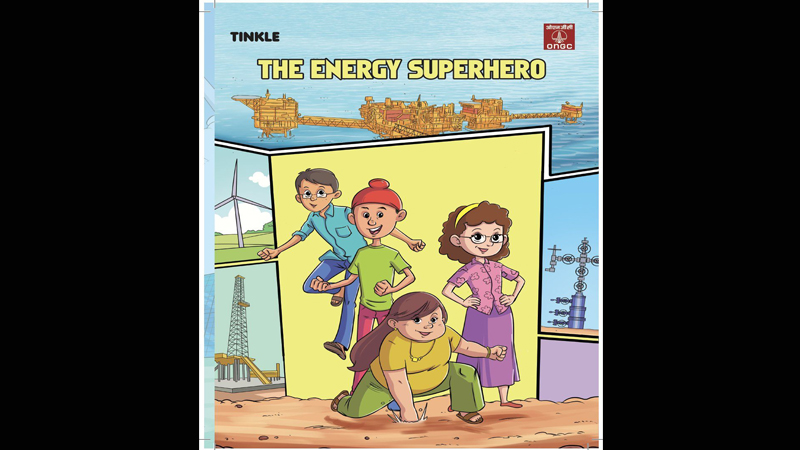
MUMBAI: India has welcomed a new set of heroes and they do not fly or wield cosmic weapons. Instead, they don iconic orange suits and the grit to keep a nation moving. ONGC’s Energy Soldiers have stepped out of oil rigs and seismic surveys and marched straight into the colourful world of Amar Chitra Katha in a new comic titled The Energy Superhero.
The graphic novel is more than a creative experiment. It is a national invitation designed to demystify the tough, technical world of oil and gas exploration for young readers. What better way to celebrate fifty years of the Mumbai High discovery than by turning India’s industrial might into a story children actually want to read.
The idea found its spark within ONGC’s golden jubilee plans and quickly shaped itself into a vibrant collaboration. The company believed Amar Chitra Katha was the perfect canvas to capture its remarkable history. Now, that belief has materialised in bright panels that make complex science feel like pure adventure.

Readers follow four curious children, Anne, Gaganjeet, Bhavani and Arko on a school trip to the Subir Raha Oil Museum. Through their eyes, everyday machinery and processes transform into imaginative quests. Mumbai High becomes an explorer’s map waiting to be decoded. Seismic surveys resemble thrilling detective work beneath the Earth’s crust. Giant rigs like the iconic Sagar Samrat appear as towering wonders from a futuristic tale.
The comic does not stop at drilling and discovery. It walks young readers through the full journey of energy as it is refined, transported and eventually powers daily life. At its heart, the story shines a light on the people behind the machines. Geologists in remote terrains, engineers mastering immense equipment and community workers ensuring sustainable progress all take their place as heroes.
A cheerful character named Chutki introduces ONGC’s growing green energy efforts and CSR initiatives, reinforcing the message that true power includes care for the planet and its people.
In a move that keeps the story accessible, the comic is available to read for free on the Amar Chitra Katha app. There is a growing belief that translations in every Indian language will help the story inspire children across the country.
The Energy Superhero is ultimately a warm salute to the nation’s unsung energy workforce. It offers young readers a window into a world usually hidden beneath steel and sea spray and invites them to imagine themselves as the next generation of explorers, innovators and maybe even superheroes.







Brands
Jubilant Foodworks to end Dunkin’ franchise in India
Pizza chain operator will not renew agreement when it expires at end of 2026.
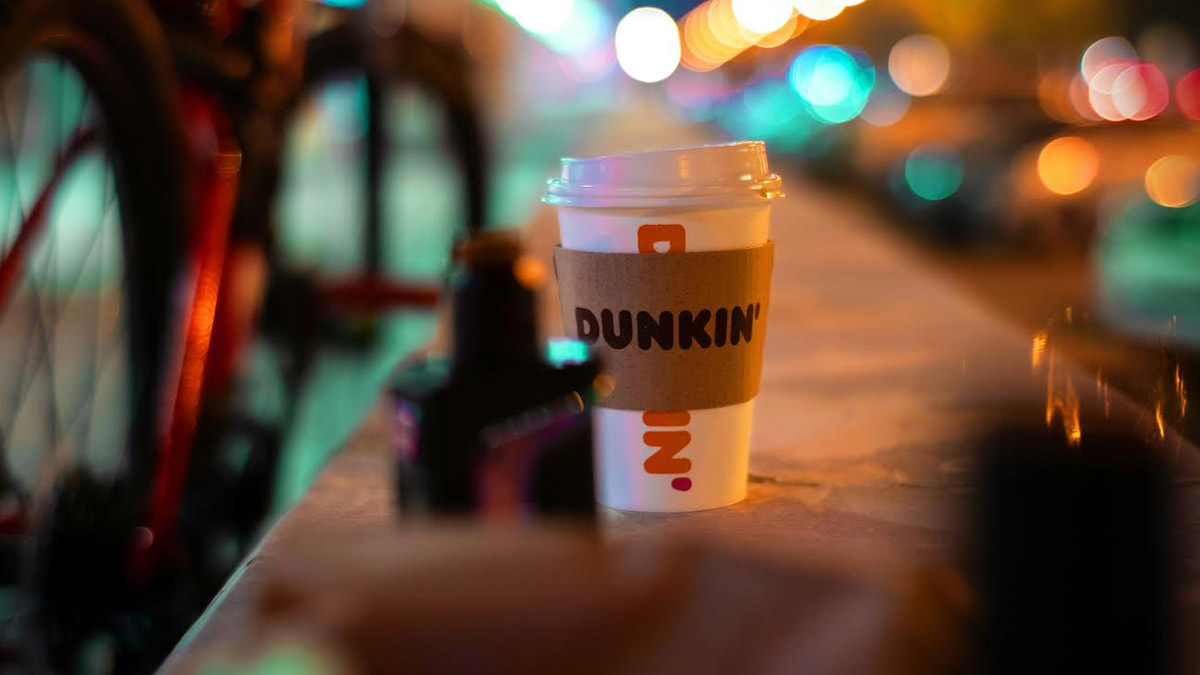
MUMBAI: When the doughnuts stop turning and the coffee goes cold, even a global giant like Dunkin’ can find the Indian market a tough brew to crack. Jubilant Foodworks has decided not to renew its franchise agreement with Dunkin’ when the pact expires on 31 December 2026, according to a Reuters report. The operator, best known for running Domino’s outlets in India, said it would evaluate options for its existing Dunkin’ stores, including a potential sale or transfer of franchise rights, in consultation with the US-based brand.
The decision follows years of underperformance in a market where local tastes and intense competition have made it difficult for international coffee-and-doughnut formats to gain traction. Jubilant, which has increasingly focused on its core pizza business and newer bets like Popeyes, indicated that the exit would not materially affect its financial or operational position.
Dunkin’ accounted for just 0.61 per cent of Jubilant’s revenue in the fiscal year ending 2025 and recorded a loss of approximately Rs 191 million, according to a regulatory filing. The company operated 27 outlets as of December 2025, having shuttered seven stores over the preceding year.
The retreat comes even as Jubilant’s broader business shows signs of momentum. The company reported a 65 per cent rise in quarterly profit for the October to December period, reaching Rs 70.9 crore, up from Rs 42.91 crore a year earlier.
For Jubilant, the exit reflects a sharpening strategic focus. For Dunkin’, it marks another setback in a market that has proven resistant to imported café concepts without significant localisation.
In the cut-throat world of Indian quick-service restaurants, sometimes the sweetest deals are the ones you quietly walk away from leaving more room for the brands that truly rise to the occasion.