MAM
Indian Moms prioritizing themselves: Ipsos Mothering Excellence Study 2018

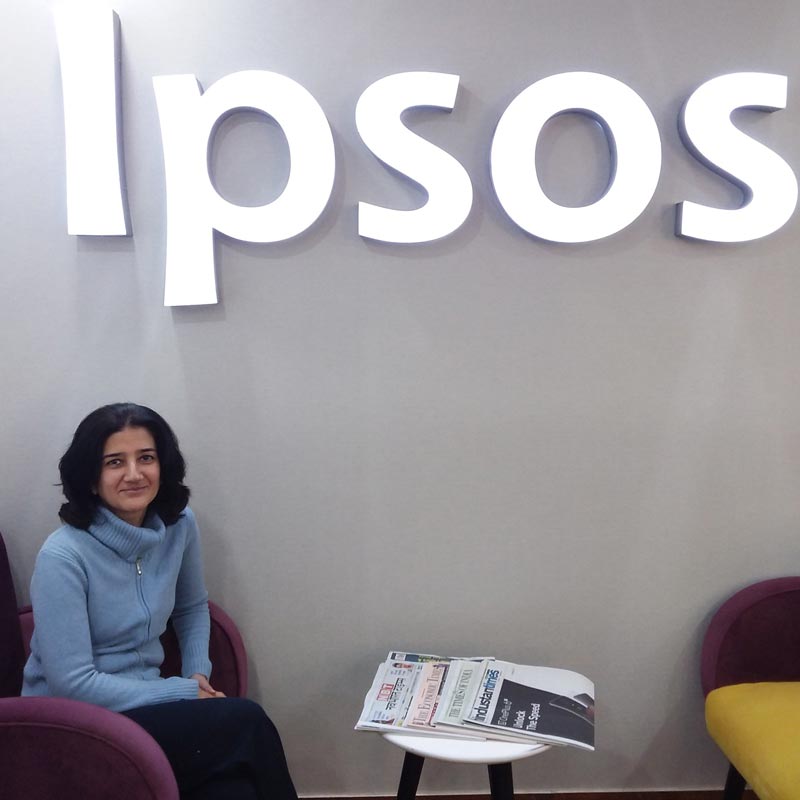
MUMBAI: A typical Indian mom conjures up images of sacrificing oneself to the role of motherhood. Cut to Circa 2018, Ipsos study christened ‘Mothering Excellence’ shows that the Indian and Asian mothers are turning ‘Me Focused’ from being ‘Child Focused’ in their quest to be role model moms.
Ashwini Sirsikar, Country Service Line Head of Ipsos UU (Qualitative Research division) sees a shift 2018, from 2015, when the study was last undertaken: “With the mom playing a more active and assertive role, she wants to be the best version of herself, in all her roles, including that of being a mom. So, being a good mom is about being her best self. Along with her family’s happiness she is focusing on her own happiness, fulfilment, identity and strengths and this positive mindset is a shift from the conventional role of the mother who always puts the family first.”
Further the study shows, there is a stronger expression for the need of freedom, experimentation and exploration as moms. The conscious need to make the experience of being a mom enjoyable. We see more digitally savvy moms. They are focusing on developing kids as individuals (in their own right), at the same time looking at a life beyond being a mother and a caregiver. Interestingly, we see a backlash to the pursuit of domination, advantage and competitiveness; the need to have overperforming kids still exists, but the practice of using privilege, money or power is increasingly rejected. A level playing field is desired by all.

The study provides an insightful overview of the trends and scope around the topic of mothering motivations. The contemporary insights around mothering provide marketers the opportunity to review their market, brand and category strategy and communication, in this context to arrive at the right brand positioning. Ergo, it unravels consumer centric motivations for brand inputs.
Mothering Excellence is a qualitative study undertaken to understand mothering motivations of Asian Moms and was carried out in 11 Asian markets (India, Japan, China, South Korea, Malaysia, Indonesia, Vietnam, Singapore, Thailand, Taiwan, Philippines). It was a comprehensive study conducted via social listening (we looked at conversations around mothering on social media sites), netnography (where we zoned in on high traffic websites specific to each market, to understand the themes and conversations), spoke to experts like marketers, communicators, nutritionists, pediatricians, counsellors etc. and brainstormed with internal resource of Dimensionalizers (senior qualitative research staff, who are mums themselves). While the foundational work of the study was done in 2015 to derive core motivations and themes, it was reviewed in the fag-end of 2018, to monitor the shift in manifestations and expressions of mothers and their mothering motivations. This study is the update.
“While the core motivations do not undergo changes easily year on year, we believe the manifestations and expressions are always dynamic and do change and provide us rich inspiration to ensure our engagement with mums stays fresh and contemporary,” added Sirsikar.


MAM
Beacon Group appoints Dr Rajesh Patel as Group CEO
36-year healthcare veteran to lead Beacon Diagnostics, Vector Biotek, Biogeny.
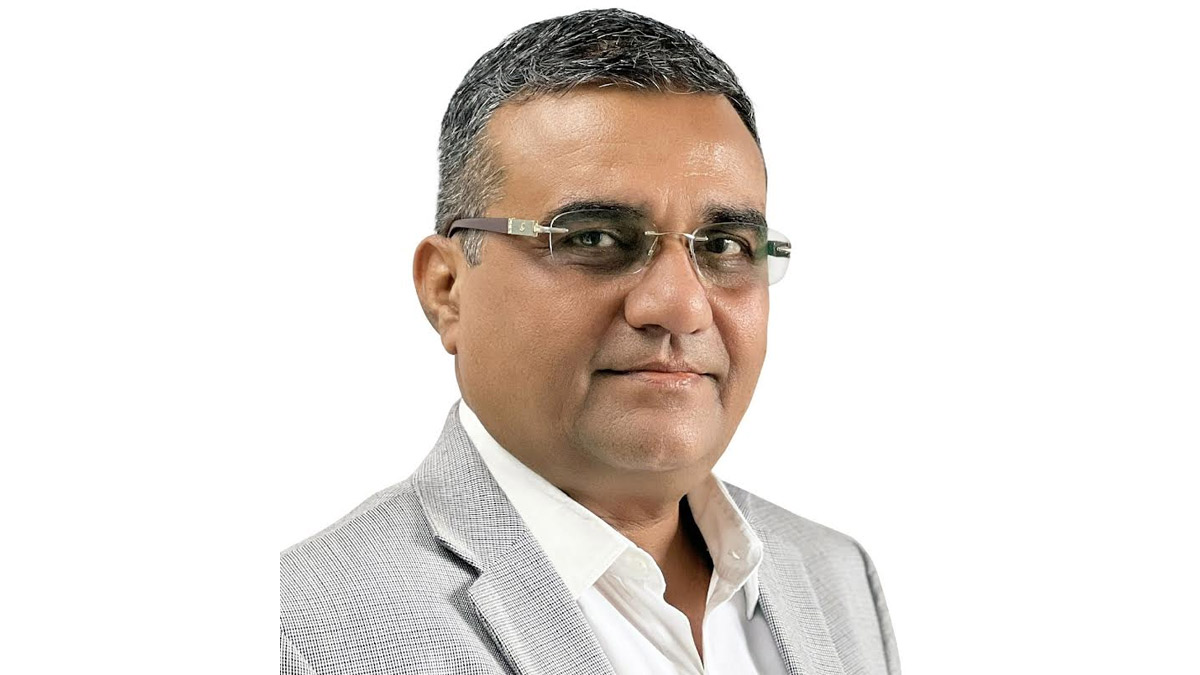
MUMBAI: A new chief, a fresh diagnosis and a sharper prescription for growth. Beacon Group has appointed Dr Rajesh Patel as its Group Chief Executive Officer, effective April 1, 2026, signalling a decisive push to scale its presence in the diagnostics and IVD space. Patel steps into the role with 36 years of experience across the healthcare and diagnostics industry, bringing a career shaped by leadership roles spanning sales, marketing, business development and operational strategy. His mandate is both expansive and precise: to steer the group’s overall strategic direction while tightening coordination across its three core entities Beacon Diagnostics, Vector Biotek and Biogeny Diagnostics.
In practical terms, that means driving cross-company synergies, accelerating market expansion and strengthening organisational capability areas increasingly critical as diagnostic players compete for scale in a fragmented yet rapidly evolving healthcare ecosystem. The group is positioning itself to capture unmet demand across chain laboratories, key accounts and standalone labs, segments that remain underserved despite growing diagnostic needs.
The appointment comes at a time when the In Vitro Diagnostics (IVD) sector in India is entering a more competitive and innovation-led phase, with companies focusing not just on product pipelines but also on service delivery, integration and customer-centric models. Beacon’s leadership appears to be betting that Patel’s execution-focused approach can help translate ambition into operational momentum.
Welcoming the appointment, Chairman Dr D K Joshi described Patel’s induction as a strategic move aligned with the group’s long-term vision, emphasising the role of leadership depth in navigating the next phase of growth.
For Beacon Group, the message is clear, in a sector where precision matters, leadership is the new differentiator—and this appointment is intended to set the tone for what comes next.






