Digital
India launches nationwide AI responsibility pledge drive
MeitY and Intel India aim for Guinness record ahead of AI Impact Summit

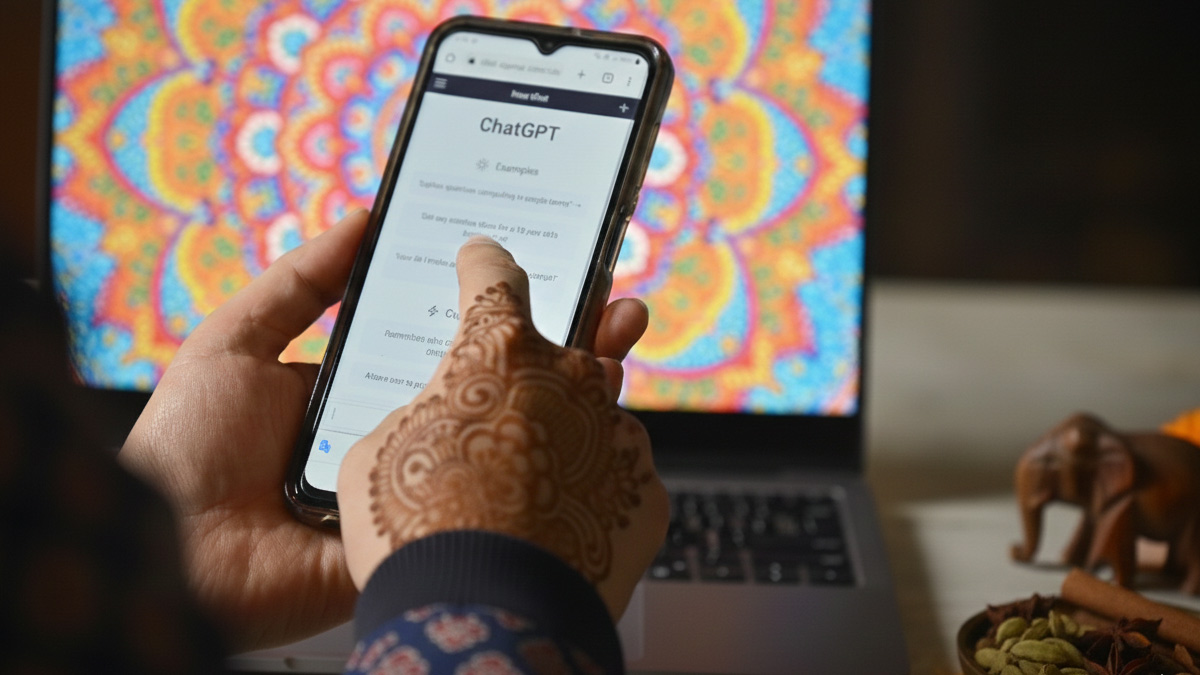
NATIONAL: India will roll out a nationwide digital campaign on 16–17 February to promote ethical, inclusive and responsible use of artificial intelligence, as the country builds momentum ahead of the India AI Impact Summit 2026.
The initiative, led by the Ministry of Electronics and Information Technology under the IndiaAI Mission, in collaboration with Intel India, will attempt to set a Guinness World Records title for the “most pledges received for an AI responsibility campaign in 24 hours”.
The digital pledge drive will go live at 8 am IST on 16 February, inviting citizens to commit to responsible AI practices through an interactive platform featuring scenario-based questions. Participants who complete the pledge will receive a digital honorary badge jointly issued by IndiaAI and Intel India, along with access to curated, government-led AI learning pathways.

The campaign has been designed for broad accessibility, requiring neither camera nor microphone permissions and imposing no eligibility criteria or assessment thresholds. Participation is open to students, educators, parents, government officials, public sector employees, industry professionals, startups and the wider public, with a particular focus on youth engagement.
Organisers said the initiative aims to deepen awareness around data privacy, accountability, misinformation and ethical deployment of AI technologies, reinforcing India’s push for a human-centric and trustworthy AI ecosystem.
The pledge campaign forms a central citizen-engagement pillar of the India AI Impact Summit 2026, scheduled from 16 to 20 February at Bharat Mandapam, New Delhi. The summit will be inaugurated by Narendra Modi and will bring together global leaders, policymakers, industry experts, researchers, startups, academia and civil society to discuss AI-led development under the themes of people, planet and progress.






Digital
Truecaller opens Business Chat platform to global partners and enterprises
Expansion aims to replace SMS with trusted, rich and conversational messaging

MUMBAI: Truecaller has expanded access to its Business Chat platform, opening it up to global channel partners and enterprise solution providers as it looks to reshape how businesses connect with customers.
The move allows partners worldwide to offer the platform to enterprise clients, enabling a shift away from traditional SMS towards a more interactive, verified and media-rich communication experience. The company is positioning this as a higher-trust alternative in an increasingly cluttered digital landscape.
With over 500 million active users globally, Truecaller is betting on its scale and daily engagement to give brands a more direct and credible way to reach consumers. The platform supports contextual conversations, real-time insights and engagement metrics, allowing businesses to fine-tune communication across the customer journey.
“The definition of success for modern enterprises has evolved. It’s no longer just about delivery but about earning attention and driving meaningful engagement,” said Truecaller global head, GTM Priyam Bose. He added that opening the platform to partners creates a gateway for brands to connect with users in a more trusted and action-oriented environment.
The expansion is already underway, with partners such as Gupshup and OneXtel live in India, while Globe Teleservices, Cloudcom and Sling Africa are driving adoption in international markets.
By equipping partners with data-driven tools and a conversational interface, Truecaller aims to help businesses cut through noise and build stronger customer relationships. The platform also promises a cleaner, more secure interaction layer, addressing long-standing concerns around spam and trust in business messaging.
As enterprises rethink customer engagement in a post-SMS world, Truecaller’s latest push signals a clear ambition to become a central player in conversational commerce.






