MAM
India gets pride of place at 43rd IAA World Congress


MUMBAI: The IAA Chapter Excellence Award is awarded to the IAA chapter judged to have made the best overall contribution to achieving the aims and objectives of the IAA over the previous two years. This year, four chapters competed – India, Austria, Lebanon and Serbia.
According to Heather Leembruggen, Chairman of IAA Awards 2014 Committee, “IAA India Chapter had stiff competition from three other countries, but the variety of events across India and the quality of each event, put IAA India Chapter on top to win this coveted recognition.”
The presentation of the 2014 IAA Chapter Excellence Award was made during the well attended 43rd IAA World Congress in Beijing on 10th May 2014.

On behalf of IAA, Mr Faris Abouhamad, Chairman & Worldwide President expressed his happiness and extended congratulations to the India Chapter and invited the Chapter President, Mr Srinivasan Swamy, to receive the award. Mr Abouhamad praised the work the India Chapter had done in the past two years and said he was indeed pleased with the Chapter for making an outstanding contribution to the core values and mission of IAA – in particular, the providing of a forum for international industry debate, advocacy and professional development opportunities and an exceptionally healthy growth in memberships. “The inventiveness shown by the India Chapter is commendable and will, I am sure, resonate to all other chapters so that we can hear about similar initiatives by IAA chapters in other countries” he said.
While accepting the award, amidst a thunderous applause, Mr Swamy said that it was the cumulative result of the good work by all the Managing Committee members at IAA India. He also thanked the IAA members in India for their continuous support and involvement in IAA initiatives.
Some background to IAA Chapter Excellence Award
The Chapter Excellence Award (formerly called the Golden Tulip Award) is presented to the IAA Chapter judged to have made the best overall contribution to achieving the aims and objectives of the IAA over the previous two years. The award was established in 1957 by the IAA Holland Chapter. It was originally presented to the European company recognized for the best international advertising campaign. Then, at an IAA Pan-European meeting in Amsterdam on 22 February 1973, it was decided it would in future be for IAA Chapters in the European Area. From 1980 it was extended to embrace all Chapters worldwide.
Former Recipients of IAA Chapter Excellence Award are :
 |
IAA India Chapter is also proud that Pardeep Guha its Past President and Area Director, IAA Asia Pacific was honored at the World Congress. He was the recipient of the Samir Faris Award this year, making him the 12 beneficiary since its inception in 1990. IAA established the “Samir Fares Award” in recognition of IAA President Elect Samir Fares who had an untimely demise. It is awarded to professionals in recognition of their outstanding service in furthering the objectives of IAA.
The past Samir Fares Award Winners are:
1990 Claude Chauvet 2002 Peter Combaz
1992 Archie E. Pitcher 2004 David Hanger
1994 Heather Leembruggen 2006 Michael Lee
1996 Gohei Kogure 2008 Jean Claude Boulos
1998 Loula Zaklama 2010 Hervé de Clerc
2000 Senyon Kim
Commenting on the Award, Pradeep Guha said “I never expected this and I am humbled. I am thankful to the IAA Executive Committee and the Global Board for this honor. I do hope I can contribute more to further the cause of this respected body”.
Another important recognition went India’s way when Faris Abouhamad announced that Pheroza Bilimoria be given the Honorary Life Membership of IAA for all her contribution to the global body. Pheroza was till recently the Honorary Secretary of IAA Global and has been actively involved in IAA India Chapter since its inception. Ms Billimoria could not attend the Congress in Beijing. She was therefore given the certificate of IAA Honorary Life Membership at the IAA Young Turks Forum event in Mumbai on 13th May by IAA India President Srinivasan Swamy. Said Ms Bilimoria “I am so deeply touched, honored and, most of all, humbled, by this gracious recognition. I used to often sit in the audience at IAA World Congresses to admire and applaud those of my seniors who were the deserving recipients of this honour; so it came to me as such an amazing delight to find that I have now joined their ranks!”
It was an Indian Summer at the 43rd IAA World Congress. In addition to the top three awards mentioned, the India born Indra Nooyi, Chairman and CEO of PepsiCo Worldwide was the recipient of the most prestigious IAA Award for her contribution to global marketing and advertising.





MAM
Beacon Group appoints Dr Rajesh Patel as Group CEO
36-year healthcare veteran to lead Beacon Diagnostics, Vector Biotek, Biogeny.
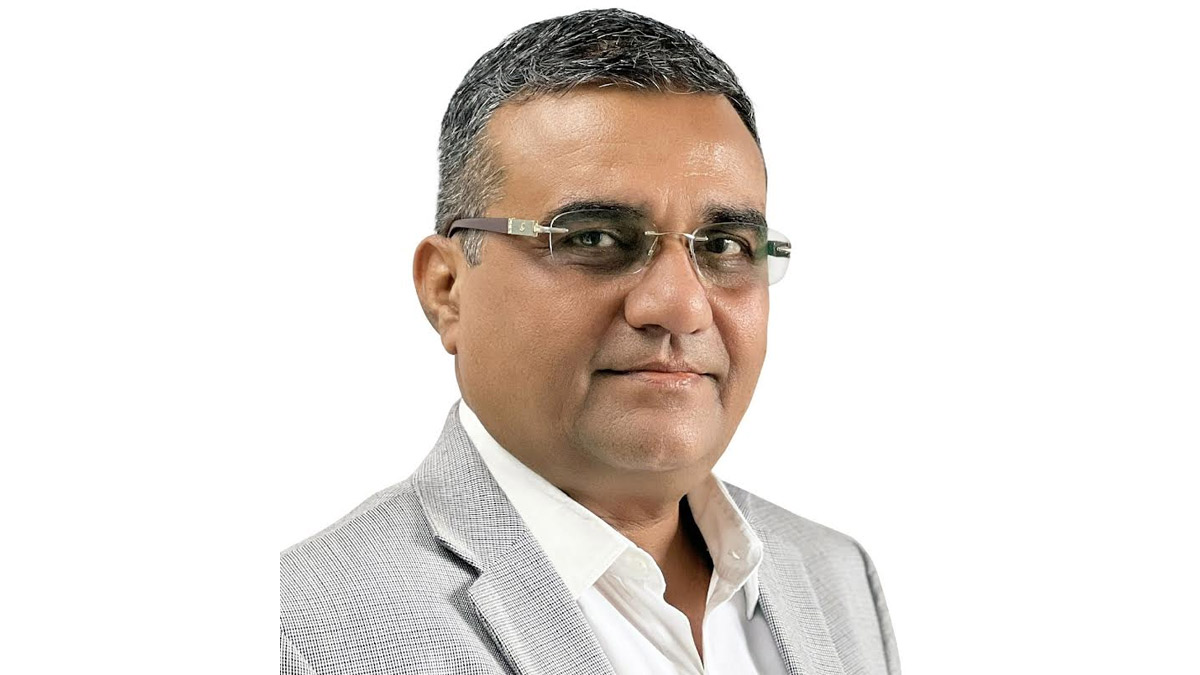
MUMBAI: A new chief, a fresh diagnosis and a sharper prescription for growth. Beacon Group has appointed Dr Rajesh Patel as its Group Chief Executive Officer, effective April 1, 2026, signalling a decisive push to scale its presence in the diagnostics and IVD space. Patel steps into the role with 36 years of experience across the healthcare and diagnostics industry, bringing a career shaped by leadership roles spanning sales, marketing, business development and operational strategy. His mandate is both expansive and precise: to steer the group’s overall strategic direction while tightening coordination across its three core entities Beacon Diagnostics, Vector Biotek and Biogeny Diagnostics.
In practical terms, that means driving cross-company synergies, accelerating market expansion and strengthening organisational capability areas increasingly critical as diagnostic players compete for scale in a fragmented yet rapidly evolving healthcare ecosystem. The group is positioning itself to capture unmet demand across chain laboratories, key accounts and standalone labs, segments that remain underserved despite growing diagnostic needs.
The appointment comes at a time when the In Vitro Diagnostics (IVD) sector in India is entering a more competitive and innovation-led phase, with companies focusing not just on product pipelines but also on service delivery, integration and customer-centric models. Beacon’s leadership appears to be betting that Patel’s execution-focused approach can help translate ambition into operational momentum.
Welcoming the appointment, Chairman Dr D K Joshi described Patel’s induction as a strategic move aligned with the group’s long-term vision, emphasising the role of leadership depth in navigating the next phase of growth.
For Beacon Group, the message is clear, in a sector where precision matters, leadership is the new differentiator—and this appointment is intended to set the tone for what comes next.






