MAM
India Affiliate Summit (IAS) 2022 sheds light on trends, predictions and innovation in two-day conference

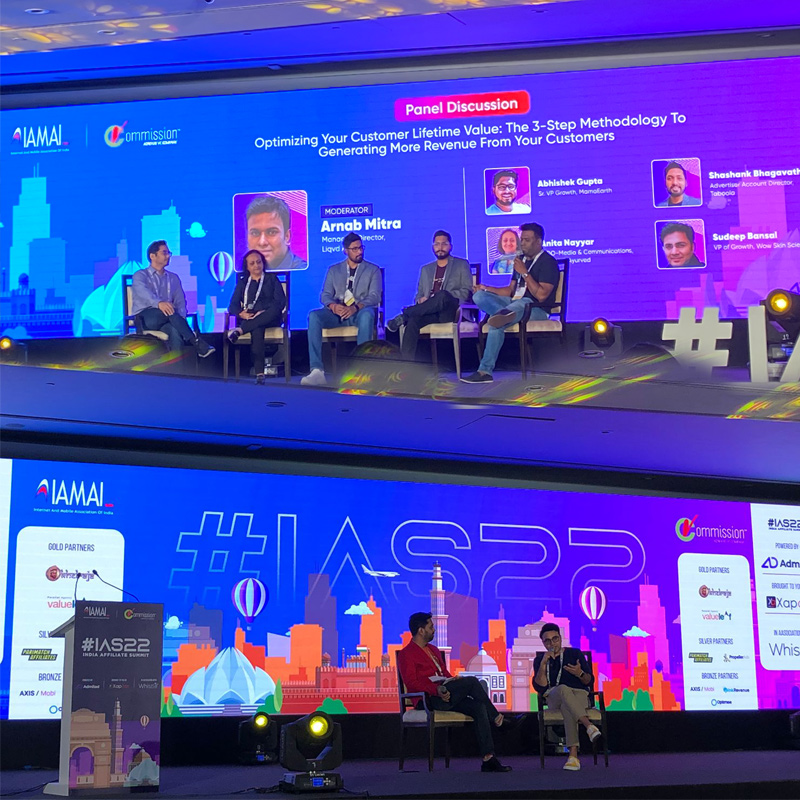
Mumbai: The Internet and Mobile Association of India (IAMAI) and vCommission jointly organised the 8th edition of The India Affiliate Summit (IAS) 2022 on 14-15 September, 2022. The event, which included engrossing keynote sessions, masterclasses, panel discussions, and exhibitions, was held at The Leela Ambience, Gurugram.
The country’s biggest affiliate marketing event saw the participation of national and international attendees from over 700 companies and provided ground for them to network and discuss opportunities to accelerate business.
On the first day of the two-day long event, vCommission CEO Parul Bhargava opened the floor for discussion with her keynote session, wherein she spoke about the lessons that she has learnt from her entrepreneurial journey in affiliate. “Affiliate marketing has made businesses millions and people millionaires. The affiliate industry is so young and innovative that no one can say, we know it all.”

Looking at the journey of the India Affiliate Summit since 2015, she added, “As I stand here, from where we started this journey, I am very proud that affiliate as an industry, as a department, is now prevalent in most brands, companies, and agencies.”
As a piece of advice to marketers, Valueleaf vice president – delivery & ad operations Ameya Kaulgi pointed out, “Affiliate is a massive pull. If you make your funnel right, with the right checks, you can build your brand with the bottom funnel.”
Patanjali Ayurved COO-media and communications Anita Nayyar spoke about how a brand should optimise its customer lifetime value. “It is important to go back to basics in terms of brand benefits and customer engagement, and once this war is won, optimising ‘lifetime value’ will follow.”
On the first day of the conference, industry veterans presented new insights, data-driven strategies, and innovative ideas on affiliate, ecommerce, D2C, etc. Twitter business head Kanika Mittal, Meta industry head automotive & D2C Hari Pulipati, HDFC Bank VP and head-acquisition content and social media marketing Jahid Ahmed, and The Man Company director-brand marketing Rumi Ambastha, were among the other key speakers on the inaugural day.
The second day of the event threw light on several subjects, such as social media listening, influencer marketing, and creativity. Admitad country head Neha Kulwal spoke about Indian SMEs, “For SMEs, partner marketing is a great way to increase their reach and raise brand awareness without breaking the bank. Since most SMEs strike a balance between productivity and profitability, including low-cost and high ROI-driven channels such as partner marketing is a must. Also, the world is moving to ‘Digital First’ and with this shift, performance/partner marketing will be a major driver in their marketing mix.”
Addressing a session titled, “From celebrities to social media influencers.. what’s next?”, HDFC Bank vice president and head-digital acquisition content and social media marketing Jahid Ahmed said, “Today celebs and influencers are shaping up well. But as a brand, to ensure stronger and long-term communication for the audience, it is important that they focus on building individual brand advocates who can further educate micro communities. And that’s how they can turn this around to build a large pool of their brand lovers.”
On a panel about “Programmatic reach by using new age media-CTV, audio & DOOH etc.,” Optimise Media Group – India CEO Shaan Raza revealed, “The IAS as a platform has evolved over the years. This year, they’ve discussed new marketing trends like programmatic and connected TV, which are preparing the audience for the web 3.0 space. The new age media has now become popular and it is in its transition phase. Various new trends are entering India, and new age performance marketers should look forward to them. They should use their creativity and imagination to engage with them from the performance marketing aspect.”
Amongst other prominent speakers who spoke on the concluding day at IAS22 were Google Cloud head of regional marketing-India Virginia Sharma, Samsung Electronics deputy general manager Nitin Guleria, Max Life Insurance VP & head of D2C ecommerce Sameer Jain, and Niva Bupa SVP head of marketing Nimish Agrawal.







MAM
Crocs and Lego launch new collaborative collection in India
Iconic brands bring playful creativity to footwear with first drop on 13 April 2026.
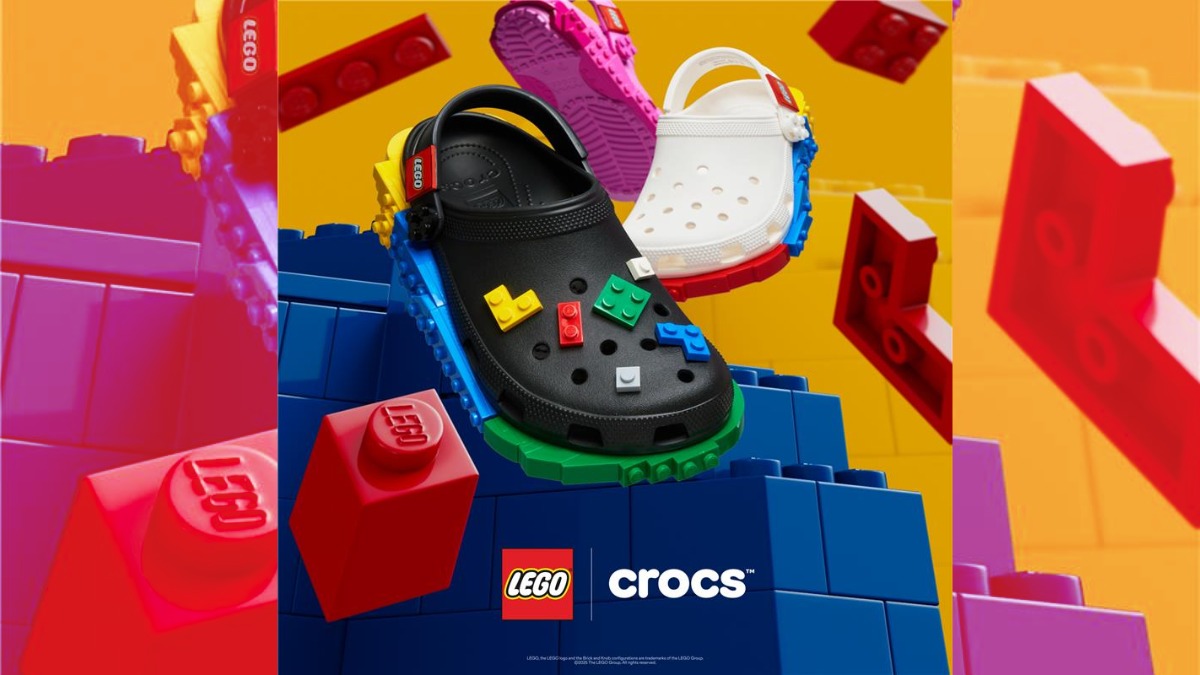
MUMBAI: Crocs and Lego have clicked together once again and this time, the bricks are heading straight for Indian feet. The global footwear brand Crocs has announced the India launch of its latest Crocs x Lego Group collection, following the excitement of their multi-year global partnership unveiled earlier this year. The collaboration celebrates creativity, play, and individuality, merging Crocs’ signature comfort with Lego’s iconic building-block spirit.
The collection will roll out in two phases. A digital-exclusive pre-launch begins on 13 April 2026 on crocs.in, featuring four styles: the Lego Masterbrand Creativity Clog, Lego Midnight Garden Creativity Clog, Lego Creativity Clog, and Kids’ Lego Creativity Clog. Each pair purchased during this phase will include an exclusive Lego minifigure as a collectible bonus.
From May 2026, the full collection will be available across select Crocs stores, VegNonVeg, and Foot Locker outlets nationwide.
The designs playfully blend Crocs’ classic clog silhouette with Lego brick-inspired details, complete with custom Jibbitz charms on the upper and sole. The collection encourages wearers to treat their footwear as a canvas for personal expression, without any set instructions just an open invitation to build, explore, and have fun.
Crocs chief marketing officer Carly Gomez said, “The Lego Group’s boundless imagination makes them the perfect match to Crocs’ wonderfully unordinary spirit. We are both brands that pride ourselves on being built different, celebrating self-expression and fuelling creativity.”
LEGO Group, head of licensing & extended line design & partnerships Satwik Saraswati added, “Our common mission to enable self-expression and wear it with pride only marks the beginning of a journey with endless possibilities.”
The campaign will extend beyond the product launch through creator-led seeding, elevated visual merchandising, and exclusive on-ground previews, supported by a deeper partnership with the Lego India team.
In a market that loves both comfort and fun, Crocs and Lego have built something special, a collection that lets every step feel like playtime. Get ready to click your heels (or rather, your clogs) because this collaboration is set to be a blockbuster hit with Indian fans.