Brands
Hyatt chairman Thomas Pritzker to step down over Epstein ties
Thomas Pritzker admits terrible judgment regarding past associations

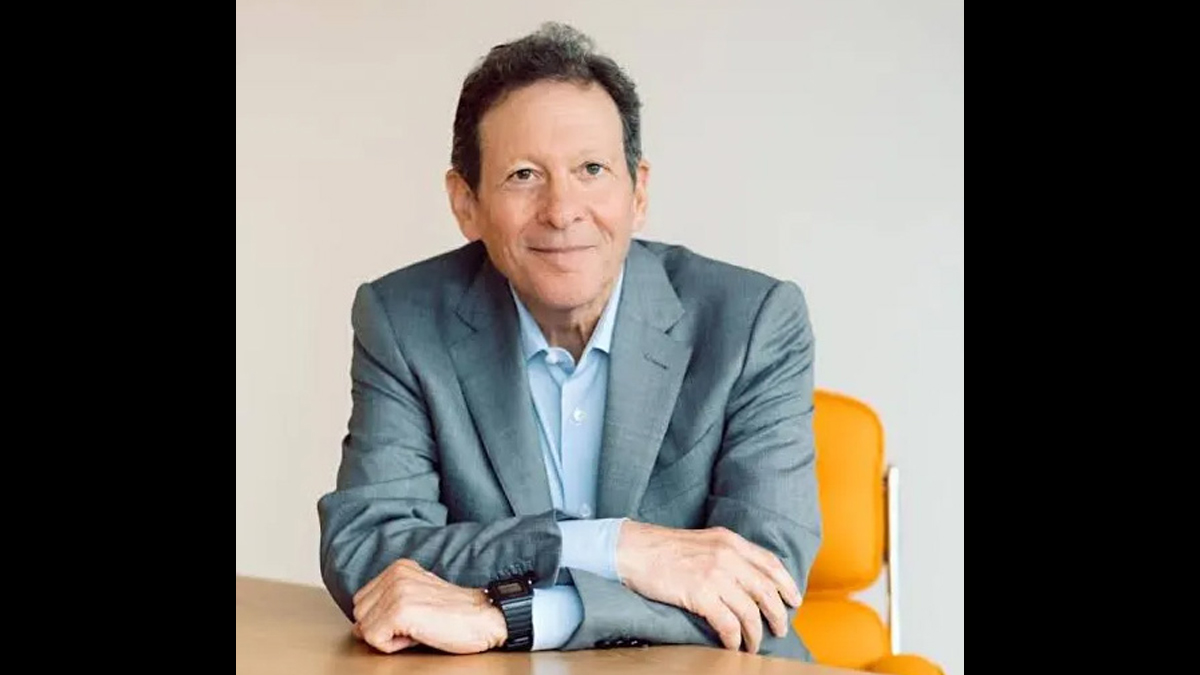
CHICAGO: Thomas Pritzker, the long-standing executive chairman of Hyatt Hotels, has announced he will step down from his role and will not seek re-election to the company board in 2026. The decision marks the end of an era for the hospitality giant, which Pritzker has led for over two decades.
The departure follows Pritzker’s public admission regarding his previous links to Jeffrey Epstein and Ghislaine Maxwell. In a statement addressing his resignation, Pritzker expressed deep regret over the association, acknowledging that his failure to distance himself from the pair sooner was a significant lapse.
Pritzker framed his exit as a necessary step to protect the Hyatt brand. He stated that maintaining contact with Epstein, a convicted sex offender, and his associate Maxwell demonstrated “terrible judgment” for which there was “no excuse.”

The move comes amid ongoing scrutiny of high-profile figures in business and politics. Since Epstein’s 2019 arrest and subsequent death, a vast cache of Justice Department documents has detailed his extensive connections to global elites, many of whom continued their associations after his initial 2008 conviction.
Pritzker has served as executive chairman since 2004, guiding the hotel group through major transformation. He led the company’s public offering and shifted to an “asset-light” model, focusing on management and franchising. He also navigated the company through the challenges of the Covid-19 pandemic, showing strategic foresight.
While Pritzker highlighted the growth and resilience of the company under his leadership, the controversy surrounding his personal associations has made his continued presence on the board untenable.
As Hyatt prepares for a future without its long-time leader, the focus will likely shift to ensuring the transition does not disrupt the company’s current momentum. Pritzker will remain in his position until the 2026 board changes take effect.




Brands
Kingfisher signs three-year IPL partnership
Packaged water brand signs on as ‘good times partner’ for 2026–28 cycle
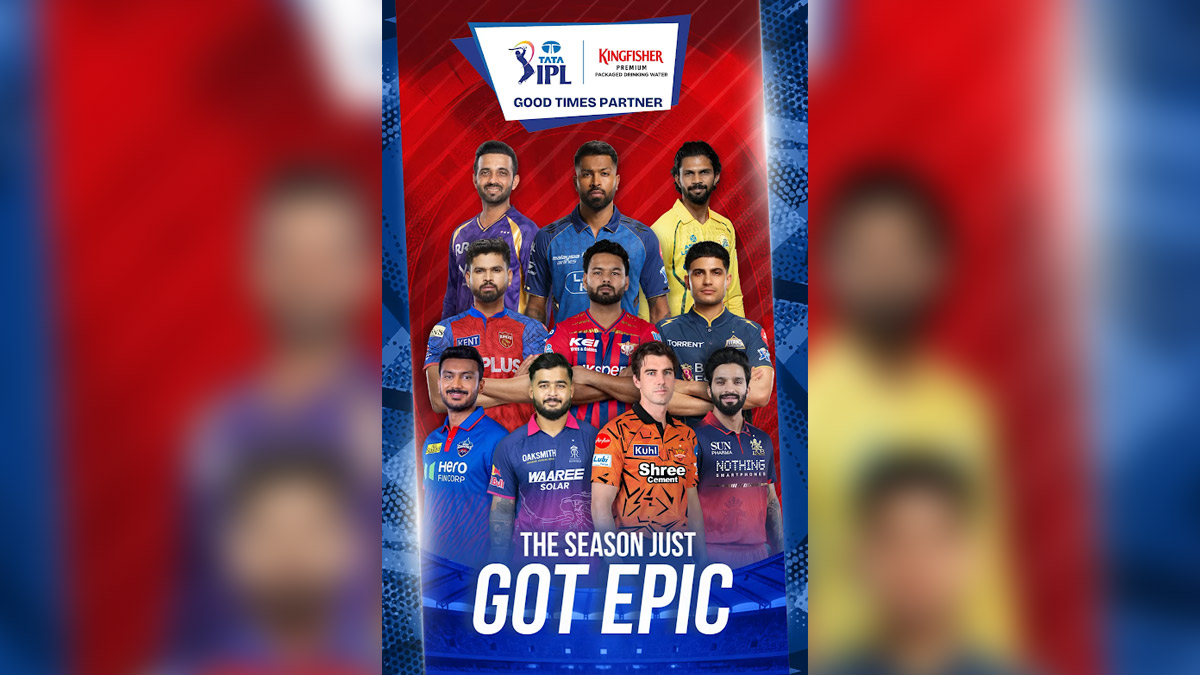
MUMBAI: Kingfisher Premium Packaged Drinking Water is betting big on cricket’s biggest stage, sealing a three-year partnership with the Board of Control for Cricket in India to sharpen fan engagement at the TATA Indian Premier League.
The brand, owned by United Breweries, will serve as the official “good times partner” for the men’s IPL from 2026 to 2028, extending a relationship that began with the Women’s Premier League. The move signals a broader push to embed itself deeper into live sport, with a focus on immersive, consumer-led experiences rather than conventional sponsorship visibility.
At the heart of the tie-up is a suite of fan-first activations spanning broadcast, stadiums and digital channels. These include the “Kingfisher Bird Cam”, offering a branded spider-cam perspective during live matches, and the “Good Times Zone”, an in-stadium entertainment hub during play-offs aimed at amplifying match-day buzz. The brand will also back IPL fan parks, elevate public screening experiences and run digital contests tied to key moments through the season.
Vikram Bahl, chief marketing officer, United Breweries, said cricket in India “is more than a sport, it is a shared cultural moment”, adding that the IPL brings that energy alive at scale. “For Kingfisher Premium Packaged Drinking Water, being present at the heart of these moments, in partnership with the BCCI, is a natural extension of what we stand for. Through this association, we aim to enrich how fans experience the game… making every match more immersive, social and memorable,” Bahl said.
Devajit Saikia, honorary secretary, BCCI, said the IPL “has always been at the forefront of redefining sports entertainment and fan engagement”. He added that the collaboration would fuse cricket fandom with “innovative fan experiences that extend beyond the stadium”, helping create memorable moments for audiences nationwide.
For United Breweries, part of the HEINEKEN group, the play is clear: move from passive branding to active participation in the fan journey—on screens, in stands and across social spaces. With millions tuning in and turning up each season, the IPL remains the country’s most potent marketing theatre. The question now is whether “good times” can translate into lasting brand recall in a market where visibility is easy, but engagement is hard-won.








