MAM
How to Find the Best Gold Loan with Low Interest Rates

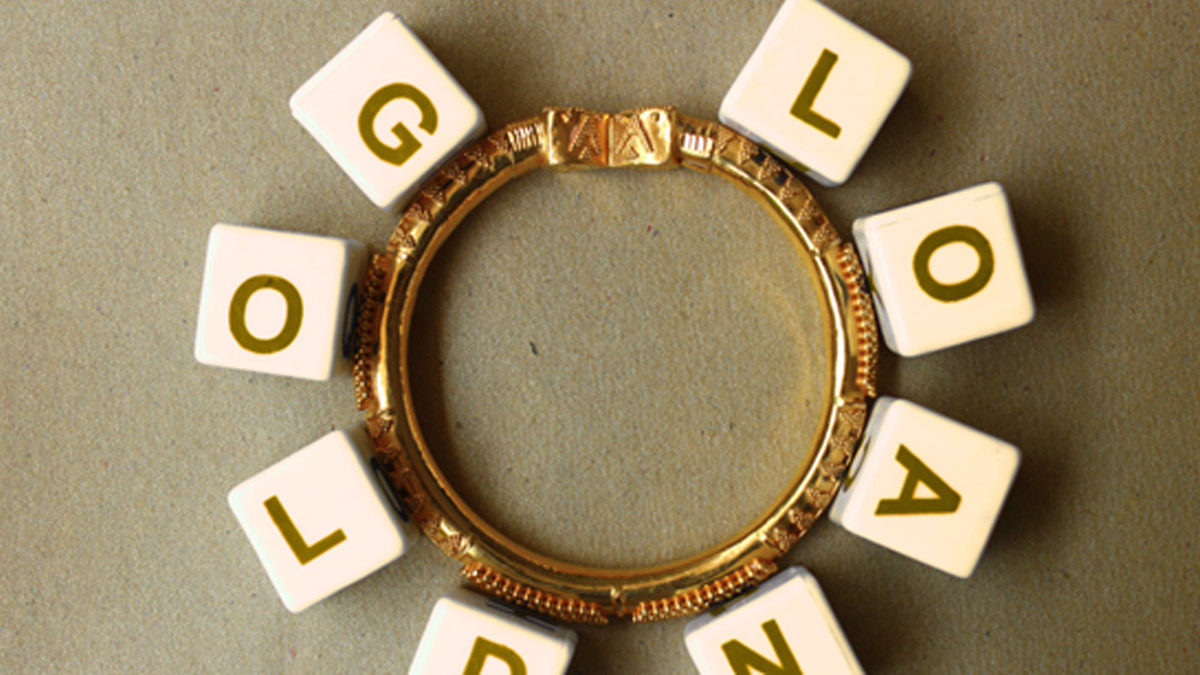
Gold has evolved from a traditional family heritage to one of the most effective instruments for high-speed liquidity in the rapidly changing financial world of 2026. With 22K gold prices remaining stable at ₹14,440 per gram and 24K gold hitting ₹15,752 per gram as of February 21, 2026, the Indian gold market is seeing a historic increase. A rather small quantity of jewels can now unleash significant cash due to their increased worth.
Finding the best gold loan, however, takes more than simply visiting the closest branch because there are several banks and NBFCs (Non-Banking Financial Companies) vying for your business. It necessitates a strategic grasp of how lenders set their product prices. The cost of borrowing in 2026 is no longer a “one-size-fits-all” number; rather, it is a variable that depends on your loan amount, the state of the market, and particular regulation slabs. You may make sure that you leverage your gold holdings at the best gold loan interest rates by taking a methodical approach.
Recognise the Tiered LTV Framework for 2026

The Reserve Bank of India’s (RBI) introduction of tiered Loan-to-Value (LTV) criteria is one of the biggest changes. Depending on your unique financial needs, this policy directly affects which lender can provide you with the best gold loan.
The LTV limitations for 2026 are set up as follows:
- Loans up to ₹2.5 Lakh: 85% LTV eligibility
- Loans up to 80% LTV are eligible for those between ₹2.5 Lakh and ₹5 Lakh
- Loans over ₹5 lakh are eligible for up to 75% LTV
You must match your borrowing with these levels to determine the lowest gold loan interest rate. Because there is less risk involved, a lender may frequently give a cheaper rate for a 75% LTV plan than for an 85% LTV plan. Choosing a lower LTV bracket is a tried-and-true method to get the finest gold loan conditions if you don’t require the highest amount of cash on hand.
Compare the Offerings of Banks and NBFCs
The best gold loan is determined by your preference for quickness or cheaper cost. The service and pricing differences between ordinary banks and specialised gold lending NBFCs have grown.
Public and Private Banks: The interest rates on gold loans offered by public and private banks are often the lowest on the market, frequently beginning as low as 8.75% to 9.50% annually. Borrowers seeking a long-term or overdraft-like facility who already have a savings account will find it appropriate.
NBFCs: They are the industry leader in offering a genuine, rapid gold loan experience, even if their interest rates may be a little higher than those of banks. They are frequently the best gold loan option for urgent needs when speed surpasses a 1% yearly cost difference, thanks to doorstep services and quick disbursals.
Make Use of Purity’s Power
The most potent “multiplier” in your loan computation is the karat of your jewellery. Lenders have shifted to highly standardised assaying procedures. Declaring high-purity materials helps you get a higher valuation and a better loan amount.
Make sure you are offering hallmarked jewels in order to receive the best gold loan. Because the collateral risk is essentially zero, hallmarked gold (BIS 916) lowers the lender’s uncertainty during appraisal and frequently enables them to provide a more alluring gold loan interest profile.
Consider the Mode of Repayment
The best gold loan is one that doesn’t negatively impact your monthly cash flow. Below are a few repayment options you may consider:
- Bullet Repayment: At the conclusion of the term, which is usually 12 months, you pay the whole amount. Although the cumulative interest cost of the gold loan may be somewhat greater, this is great for short-term liquidity.
- Monthly Interest Payment: You just pay the interest each month; the principal is paid at the end. As a result, the monthly burden is minimal.
- EMI (Principal + Interest): The most organised approach to loan closure is through EMI (principal + interest), which progressively lowers your principal and, as a result, your overall interest expense.
Use a computerised gold loan calculator to determine which option delivers the biggest savings before you sign the contract. Even a 0.5% change in the repayment schedule might save you thousands of rupees on a big loan in the expensive year of 2026.
Be Aware of Unexpected Fees and Penalties
High administrative costs can occasionally be concealed by a low headline interest rate on gold loans. Searching for the finest gold loan requires you to consider the “Total Cost of Credit.”
- Processing costs: For loans up to ₹3 lakh in 2026, several banks provide “Nil” processing costs.
- Make sure valuation fees are clear and do not represent a portion of the loan balance.
- Prepayment and Foreclosure Penalties: You shouldn’t have to pay a large penalty if you decide to end your gold loan early.
- Late Payment Fees: Examine gold loan interest “steps up” if you fail to make a payment. Some lenders charge 2% monthly punitive interest on the past-due balance, which can easily get out of hand.
Conclusion
Finding the greatest gold loan in 2026 requires striking a balance between the historic worth of your gold, i.e., ₹14,440 per gram, and a lender who understands your desire for quickness and transparency. You may make sure that your gold is a bridge to your financial objectives rather than a burden by comparing the tiered LTV brackets and selecting a repayment schedule that corresponds with your income. The knowledgeable borrower usually prevails in a market where gold loan interest rates are more competitive than ever. Spend some time evaluating at least three lenders, confirming that they are in accordance with the RBI as of 2026, and confidently discovering the actual worth of your assets.
FAQs
How much can I borrow in gold today, per gram?
The maximum credit amount for loans under ₹2.5 lakh (85% LTV) is around ₹12,274 per gram as of February 21, 2026, when 22K gold is valued at ₹14,440 per gram. Make sure your decorations are made of pure gold with minimal stone deductions to receive the greatest gold loan value.
Does my gold loan interest rate depend on my credit score?
In general, no. The majority of lenders offering a quick gold loan do not significantly rely on your CIBIL score because it is a secured loan. However, with certain private banks in 2026, having a solid credit history might help you get greater loan amounts or “preferred” gold loan interest rates.
How can I figure out how much interest is due on a gold loan?
The straightforward calculation is as follows: Principal x Annual Rate x Tenure (in years). Many lenders include a best gold loan calculator on their smartphones for a more accurate 2026 figure. This tool automatically adjusts for your selected repayment method and particular LTV tier.
In 2026, would I be able to obtain a gold loan for 18K jewellery?
Yes, most lenders accept 18K gold. However, the interest rate on the gold loan and the value per gram will be different because the purity is 75% as opposed to 91.6% for 22K. Before using the current market cost of ₹14,440 per gram, lenders first convert your 18K weight into a 22K equivalent.
If I close my gold loan early, will I be penalised?
Prepayment penalties are not imposed by the majority of respectable lenders providing the best gold loan in 2026. However, if you end the loan nearly immediately after disbursement, some may demand a minimum interest payment of seven to fifteen days. Verify your agreement’s “Foreclosure” clause at all times.






Brands
India’s food culture takes a bold turn in 2025
From fusion desserts to experiential dining, four trends reshape how the nation eats.
MUMBAI: India’s plates just got a serious upgrade in 2025 because when tradition meets TikTok and fusion meets fitness, even the humble samosa starts feeling trendy. The Godrej Food Trends Report 2025 predicted several shifts in Indian eating habits, and the past year proved the forecasters right. From reimagined desserts to immersive dining experiences, Indian consumers showed they want authenticity, convenience, global flavours and health in equal measure.
Here are four trends that truly came alive in 2025 and are now shaping how India eats and dines:
1. Indian Desserts Get a Modern Makeover Traditional mithai found fresh life through fusion experiments. Cheesecakes, truffles and plated desserts inspired by classics like gulab jamun and rasgulla gained popularity, while chocolate-forward, fruit-led and lower-sugar options appealed to younger diners. According to the How India Eats 2025 report, desserts and ice-cream parlours were among the fastest-growing segments in organised food services. Examples: The Bombay Canteen’s Coffee Rasgulla Sundae and Le Chocolate Cakes and More’s Gulab Jamun Cake. Chef Aarohi Sanghavi of Maki Patisserie noted the shift toward seasonality and fresh Indian produce, while Chef Heena Punwani of Maska Bakery highlighted the appeal of flexible, weekend-special menus.
2. Social Media Becomes the New Menu Food discovery went fully digital. Instagram Reels, YouTube reviews and creator-led content heavily influenced dining choices, with food remaining one of the most consumed categories on social media. Restaurants began designing visually striking dishes specifically for shareability, while many diners found new spots through viral videos rather than traditional advertising. The How India Eats 2025 report revealed that over 75% of marketing spends by leading QSR chains now go toward digital channels. Cafes like Mokai and Candies became creator favourites, and brands such as Bastian Hospitality curated highly shareable pop-ups and events. Kavita Rajwade of IVM Podcasts emphasised how long-form storytelling helps decode food’s cultural and economic layers, while Pranav Joshi of Floydian Cookery admitted his page grew far beyond expectations.
3. Snacking Culture Goes Mainstream India’s love for snacks evolved into a full grazing lifestyle, with many opting for multiple small bites throughout the day instead of three structured meals. This shift spurred innovation in formats—from gourmet chips and fusion street food to protein-packed options. Restaurants responded with small-plate menus designed for sharing. The How India Eats 2025 report noted that late-night orders grew nearly 3x faster than dinner. Brands like The Whole Truth Foods and Green Snack Co. popularised clean-label snacks such as protein bars and roasted nuts. Madhushree Basu Roy of Pikturenama Studios predicted a mix of convenience, health consciousness and global influences, while freelance food writer Sharmila Vaidyanathan observed that consumers want the best of both worlds healthy options for routine snacking and traditional treats for special occasions.
4. Dining Becomes an Experience, Not Just a Meal The most noticeable shift was the rise of experiential dining. Consumers increasingly sought restaurants that offered more than good food, they wanted immersion, storytelling and chef-driven concepts. Venues like Papa’s in Mumbai (intimate tasting menus), Bombay Daak (theatrical regional flavours) and Masala Library (modernist presentations) turned meals into memorable events. Tasting menus, themed pop-ups and chef collaborations became more common, transforming dining out into entertainment. The How India Eats 2025 report highlighted how experience-led formats and storytelling are key to attracting younger diners. Chef Karan Upmanyu of ParTTwo in Bengaluru observed that new outlets are breaking away from rigid formats, focusing instead on creating relaxed spaces where people simply enjoy spending time.
As 2026 unfolds, these trends suggest India’s food culture is no longer just about what’s on the plate, it’s about how the plate makes us feel, connect and remember. From a quick Reel-inspired snack to a full theatrical dining experience, Indian diners are voting with their forks for food that is both rooted in tradition and unafraid to experiment. The table, it seems, has never been more exciting.








