MAM
How sustainability trends can drive the future of the event marketing industry

Mumbai: In today’s time, it’s safe to say that environmental consciousness is no longer a trend but a necessity in every aspect of life. Sustainability has become more mainstream than ever before and it is now a defining principle that is shaping the future of the event marketing industry. It is now the need of the hour. In the wake of the COP28 held in Dubai, the spotlight on sustainability has been further intensified for brands and event marketing. This spotlight is evident from the fact that most prominent global events today focus on sustainability and climate change as a primary topic. World governments, global bodies and major businesses are now talking about sustainability as a primary issue. This is evident from themes like climate change and environmental consciousness being one of the primary topics of discussion in the World Economic Forum 2024 event being held at Davos.
Today, as more brands embrace green marketing to appeal to the modern, conscious and discerning consumer, event marketing has become a crucial part of the overall green branding strategy of major corporations. Moreover, since 2022, after the full fledged resurgence of in-person events, critical questions have been raised about the environmental impact of big scale branding events. As concerns over sustainability management, resource sharing, and waste management grow, it becomes vital to explore how sustainability trends can lead the way forward for event marketing.
The evolving sustainability trends in event marketing are driven by a collective understanding that our choices today shall influence the world we leave behind for future generations. Event planners are now taking notice, reimagining traditional methods, and integrating innovative and sustainable alternatives that align with the values of clients, attendees, stakeholders, and global governments in their event management plans. Here’s a closer look at the main principles that are influencing the industry today-

Zero-Waste Events: A New Benchmark
While reducing waste has always been a focus in sustainable event planning, a new benchmark has now emerged – zero-waste events. This ambitious approach aims to minimise waste generation at every phase of an event, from planning to execution and even post-event activities. This heightened commitment to waste reduction reflects the industry’s commitment to ensuring that sustainability is not a mere milestone but a continuous journey for them. Lollapalooza, the world renowned music festival, stands out as a prime example of how major events can champion sustainability and zero waste. With a commitment to minimising its environmental impact, Lollapalooza has implemented various initiatives such as waste reduction, energy efficiency, and eco-friendly practices in its event management and marketing strategies.
Local Sourcing and Technology Integration
The event marketing and management industry is also witnessing a growing trend towards supporting local economies and reducing carbon emissions by sourcing locally produced goods. This eco-conscious approach extends to all aspects of an event, from food and beverage catering to décor and promotional materials. The emphasis on locally sourced materials not only contributes to sustainability but also fosters a sense of community engagement.
The Role of Modern Technology
Modern technology plays a pivotal role in advancing sustainability in event planning. Digital platforms for hosting hybrid and virtual events are powerful tools that allow organisers to engage a global audience without the heavy carbon emissions associated with travel. Comprehensive data analysis tools have also become indispensable for tracking and analysing the environmental impact of events and providing valuable insights for refining future management strategies.
In addition to this, mobile event apps not only enhance attendee experiences but also actively contribute to sustainability by minimising the need for printed materials. From agendas setting options to real-time event information and networking opportunities, these apps offer a multifunctional and eco-friendly alternative to conventional methods.
Other Ways To Incorporate Sustainability In Event Marketing
It is essential to implement small pragmatic steps into event planning practices to successfully incorporate sustainability trends within event marketing.
The foundational step for this involves measuring baseline emissions for assessment purposes to provide insights into areas of event management that require attention. Mitigating the carbon footprint of events, especially those caused by travel, is also crucial. To aid this practice, there are a number of special technological tools that can calculate and offset attendees’ travel emissions. Another key aspect is integrating event suppliers and vendors as part of the strategy to turn sustainability into a collaborative effort.
Financial Benefits of Sustainable Event Marketing
Embracing sustainability for event marketing offers a multitude of business benefits, including enhanced brand reputation, cost savings through eco-friendly practices, and increased customer loyalty. Companies that align their strategies with environmental conservation initiatives are better positioned to thrive in evolving markets and economies where sustainability is a key consideration for consumers and stakeholders alike. This notion is exemplified by a recent study of NTT in which over 44% of companies surveyed reported an increase in profit due to sustainability programs, while 33% saw a reduction in operating costs.
The Future of Sustainable Event Marketing
As the events industry thrives and major brands continue to embrace event marketing as part of their promotional strategies ,the integration of sustainability into event marketing becomes increasingly vital. Sustainability is not just a trend but a strategic move to future-proof the industry.
Today, the event marketing industry stands at a pivotal moment where sustainability trends can drive positive change. Thought leaders, innovative technologies, collaborative efforts, and conscious decision-making on the part of stakeholders and the general public can pave the way for a future where events not only thrive economically but also contribute to the development of a greener world for the greater good.
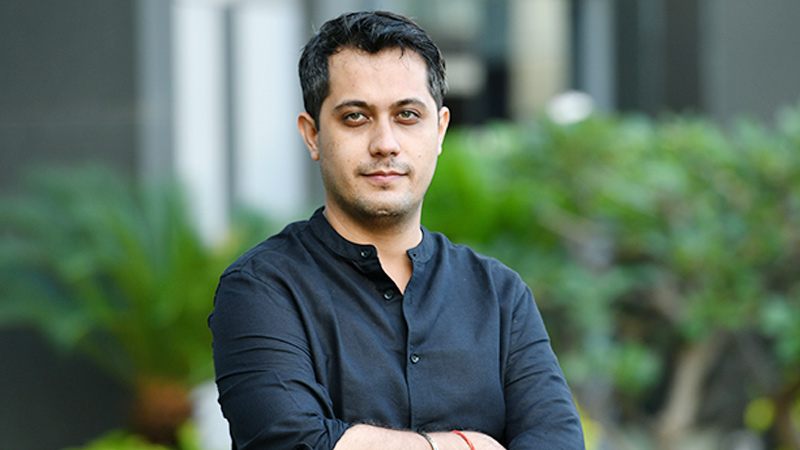
The author of this article is Branding Edge Strategic Communication and Advisory LLP managing partner Rahul Tekwani.





Brands
Radio City names Brijesh Magoo as national brand solutions head
Former Ishq FM programming lead to drive creative and revenue strategy
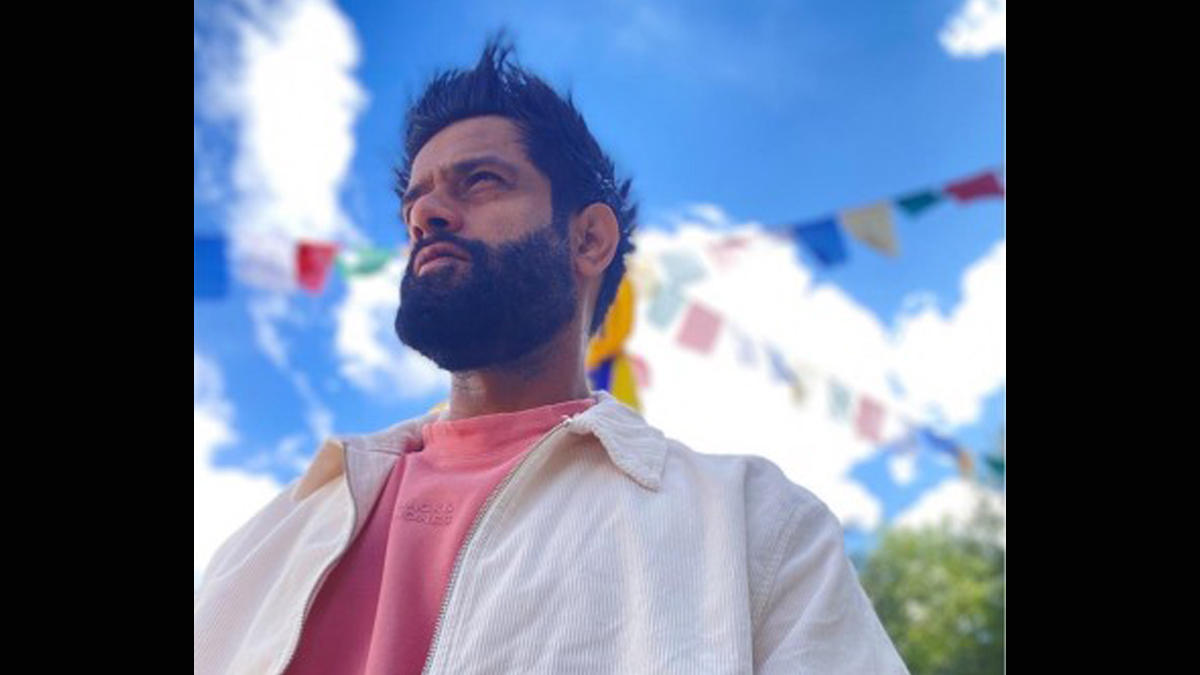
MUMBAI: Radio City India has appointed Brijesh Magoo as national head for brand solutions, strengthening its creative and content-led offerings as it looks to deepen advertiser engagement.
Magoo steps into the role after a brief stint as consultant for creative solutions at Radio City, where he worked on shaping integrated brand propositions. In his new position, he will lead the network’s creative solutions arm, focusing on building branded content, driving revenue opportunities and enhancing client partnerships.
He brings with him over a decade of experience across radio programming, content strategy and creative leadership. Most recently, he served as national programming head at Ishq 104.8 FM, where he led content strategy and programming initiatives at a national level.
During his time with Ishq FM, Magoo held multiple leadership roles, including national creative lead and head of programming, as well as programming head for Mumbai. His work spanned content development, audience engagement and format innovation, helping shape the station’s identity in a competitive radio landscape.
Prior to this, he spent six years at Red FM, rising from executive producer to assistant programming head, where he honed his skills in creative direction and on-air content strategy. He also had a brief stint as head of copy at Jack in the Box Worldwide, adding an agency perspective to his portfolio.
Magoo is an alumnus of Mudra Institute of Communications Ahmedabad, where he specialised in creative communications, and holds a degree in management studies from University of Mumbai.
His appointment signals Radio City’s continued focus on content-driven brand solutions, where storytelling and advertising increasingly go hand in hand. As audio platforms evolve beyond traditional broadcasting, Magoo’s blend of programming and creative expertise could help the network tune into new growth frequencies.







