MAM
How Senior Citizen FD Rates Differ from Regular FD Interest Rates in India


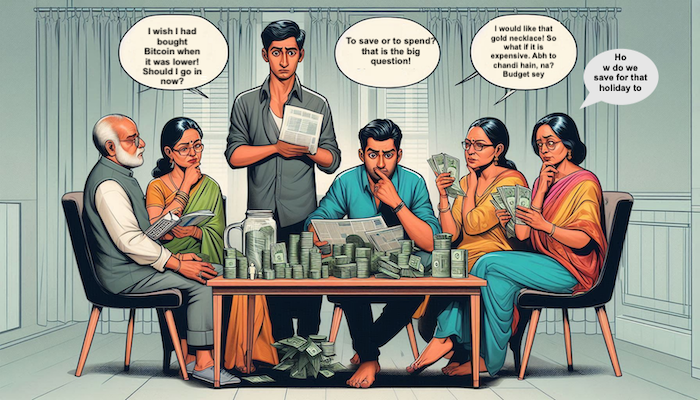
For Indians wanting guaranteed returns with minimal risk, fixed deposits continue to be a highly trusted investment option. These financial tools offer stability to investors from all age brackets, and banks in India tend to offer senior citizens more favourable interest rates. Understanding these differences can help you make well-informed decisions about where to keep your savings.
The Age Factor in Fixed Deposit Returns
Turning 60 means your fixed deposit gets more rewarding. Banks across India offer an additional interest rate of 0.25% to 0.75% per annum to senior citizens, compared to regular depositors. This extra rate is there because financial institutions realise that retirees often depend on interest income to pay for daily expenses and healthcare needs.

The math is simple. If a regular fixed deposit offers 7% interest each year, a senior citizen might get 7.50% or 7.75% on the same deposit amount and duration. Over time, this small difference can really add up to a lot more earnings.
Understanding the Premium Structure
The senior citizen FD rates differ from bank to bank and are influenced by the length of the deposit. If you go for a shorter term, you might get lower extra interest rate, but if you choose a longer term, you might get a better premium. Some banks keep the extra rates the same for all terms, while others have a tiered system.
A lot of banks offer special rates for super seniors—those who are 80 years old and older—offering an even higher premium of up to 1% over the standard rates. This recognition of the financial challenges faced by older individuals highlights the banking sector’s commitment to assisting elderly depositors.
Comparing Returns: A Practical Example
Consider a deposit of ₹10 lakh for five years. At a regular interest rate of 7%, the maturity would amount to ₹14.03 lakh. However, with senior citizen FD rates at 7.50%, that same deposit would mature at around ₹14.36 lakh-a difference of ₹33,000. For retirees who have fixed monthly expenses, this extra income is incredibly helpful. The difference is even more noticeable with bigger deposits. If you invest ₹50 lakh, the difference could go beyond ₹1.5 lakh over the same duration, which can greatly improve retirement comfort.
Tax Implications and TDS Considerations
While senior citizens enjoy better FD interest rates, they also benefit from higher TDS thresholds. Senior citizens can have a TDS deduction limit of ₹50,000 on fixed deposit interest each year, while others only get ₹40,000. Plus, if their total income is below the taxable limit, they can fill out Form 15H to avoid TDS.
This mix of higher rates and tax benefits makes fixed deposits particularly attractive to retirees looking for a steady income.
Eligibility and Documentation
If you want to enjoy the preferential FD interest rates, make sure you’re 60 or older when you book your deposit. You’ll need to show proof of age, which can be a PAN card, Aadhaar card, or passport. Some banks automatically apply senior citizen rates to your existing deposits upon turning 60, while others require an explicit request.
Making the Right Choice
Fixed deposits for senior citizens are a smart choice for retirement planning. The difference in interest rates, combined with tax advantages and safety, makes it appealing. That is why, before locking your money in an FD, compare your options from multiple banks, how much cash you may need, and if you want to spread your deposits over tenures for maximum returns and flexibility. The enhanced returns may seem modest initially, but they accumulate meaningfully over the years, providing financial security during your golden years.





Digital
Ethical AI must benefit society, not dominate it, says WFEB chief Sanjay Pradhan at IAA event
At Mumbai event, ethics expert urges businesses and governments to shape AI responsibly
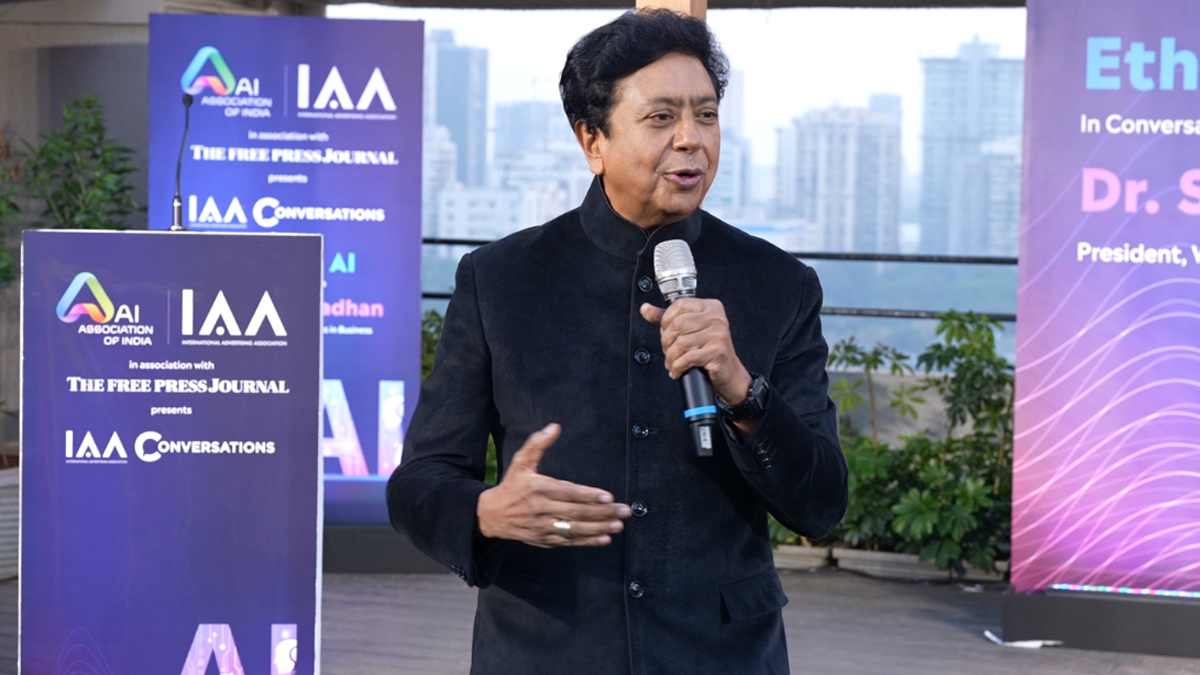
MUMBAI: Artificial intelligence may be racing ahead at lightning speed, but its direction must still be guided by human conscience. That was the central message delivered by Sanjay Pradhan, president of the World Forum for Ethics in Business (WFEB), during the latest edition of IAA Conversations held in Mumbai.
The session was organised by the International Advertising Association (IAA) and the Artificial Intelligence Association of India (AIAI) in association with The Free Press Journal at the Free Press House on 7 March. Addressing a packed audience, Pradhan called for stronger ethical leadership to ensure AI remains a tool that benefits humanity rather than one that governs it.
“Artificial intelligence has rapidly become one of the most powerful technologies humanity has created,” Pradhan said. “It is unlocking breakthroughs in medicine, science and creativity at a pace unimaginable just a few years ago.”
But he warned that the same technology carries serious risks. AI, he noted, can amplify disinformation faster than facts can travel, compromise privacy, deepen discrimination and disrupt millions of livelihoods. Referencing concerns raised by AI pioneers such as Geoffrey Hinton, often called the godfather of AI, Pradhan stressed that the real challenge is not whether AI will shape the world, but whether humans will shape it with ethics and wisdom.
Structuring his talk around four guiding questions, why, what, how and who, Pradhan introduced the audience to WFEB’s emerging AI Ethics Partnership, a global platform aimed at advancing responsible artificial intelligence. He outlined four priority concerns that demand urgent attention: disinformation, bias and discrimination, data privacy and job security.
To make the idea of ethical AI easier to grasp, Pradhan offered a simple metaphor. Ethical AI, he said, is like a three layered cake. The outer layer represents the visible value ethical AI creates for businesses and society. The middle layer is organisational culture that moves ethics from written codes to everyday practice. The innermost layer, however, is the most crucial, the conscience of individual leaders.
Drawing from Indian philosophical thought through WFEB co-founder Ravi Shankar, Pradhan noted that while artificial intelligence can reproduce stored knowledge, true intelligence is boundless and rooted in conscience, creativity and compassion. Practices such as breathwork and meditation, he suggested, can help leaders develop the calm clarity needed for ethical decision making.
The event also featured a discussion with Maninder Adityaraj Singh, chief of staff and head of innovation at Rediffusion Brand Solutions Pvt Ltd, and Yash Johri, lawyer, Supreme Court of India.
Opening the session, IAA India chapter president Abhishek Karnani, highlighted the need for industries to understand and engage with AI responsibly.
“AI has to be befriended and understood,” added Rediffusion managing director and AIAI national convenor Sandeep Goyal. “Its ethical use will determine whether it becomes a friend or a foe.”
As AI continues to reshape industries and societies, Pradhan ended with a simple but powerful call to action. Businesses, governments and individuals must work together to ensure that the algorithms shaping the future reflect human values rather than just cold logic.