MAM
How Airline – Bank Partnerships Are Evolving: Beyond Miles & Lounge Access

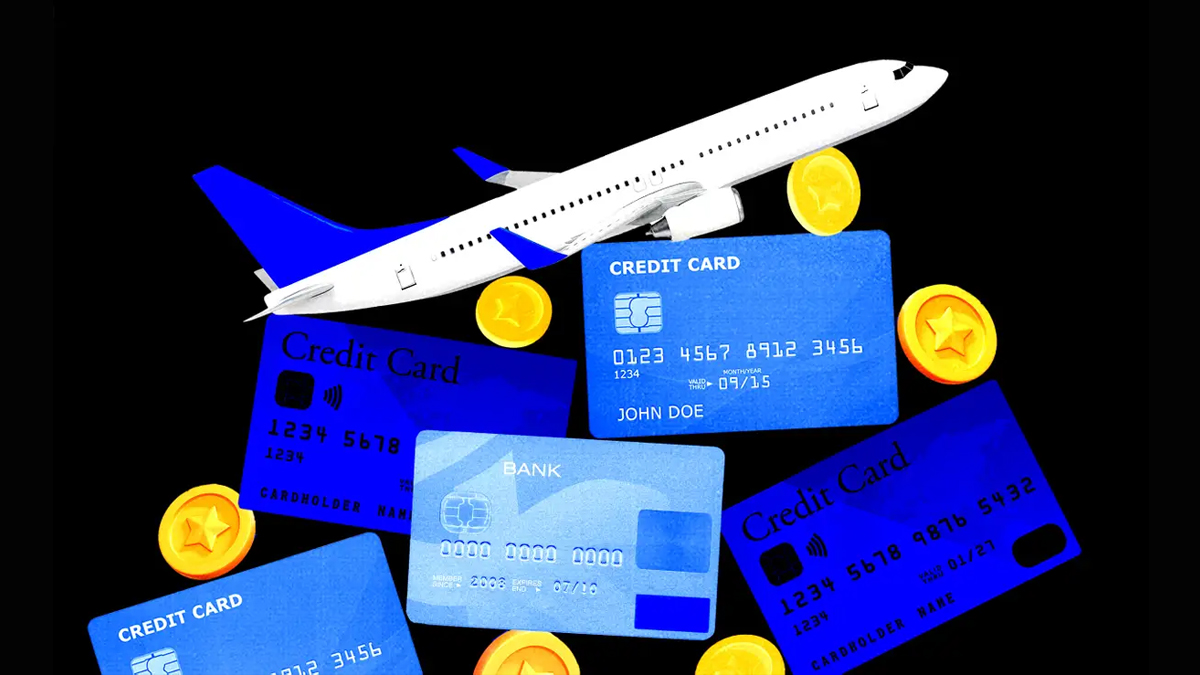
Air travel has changed a lot over the years. It is no longer just about reaching a destination. It is about comfort, experience, and convenience. Airlines and banks now work closely to make travel smoother and more rewarding. These partnerships go far beyond free miles or airport lounges. They shape how people plan, pay, and enjoy their journeys. Several banks have actively moved to become part of this shift, which has helped customers experience travel in smarter ways.
Earlier, airline partnerships focused mainly on reward points. You earned miles and redeemed them for flights. That was the main attraction. Today, expectations are higher. Travellers want value at every step, from booking to boarding and beyond.
How Travel and Banking Are Now Connected

Modern travellers want seamless experiences. They want fewer steps and fewer surprises. This is where airline-bank partnerships step in. Payments, rewards, upgrades, and offers now work together smoothly.
When you use a partnered card, the travel experience feels more connected. You earn rewards faster, get better offers, and get recognition as a loyal customer. This makes travel more enjoyable, even before the trip begins. Banks and airlines design these partnerships to fit everyday lifestyles, not just frequent flyers.
The Shift from Miles to Meaningful Benefits
Miles are still useful, but they are no longer the only attraction. Today’s travellers value flexibility. They want benefits they can actually use. This includes early boarding, travel discounts, easy cancellations, and lifestyle perks.
Airline partnerships now focus on comfort and convenience. They aim to improve the entire journey, not just the flight itself. This shift makes these cards appealing even to people who travel occasionally. As a result, many users explore options when using a credit card online to find cards that match their travel and spending habits.
Why Experience Matters More Than Ever
People now value experiences over points. A smooth booking process. Priority services. Easy check-ins. These details matter more than large reward numbers.
Partnerships between airlines and banks focus on reducing friction. They make travel feel easier and more enjoyable. This builds long-term loyalty and trust.
These benefits also extend beyond travel. Many cards now offer lifestyle rewards that fit everyday life, not just airport visits.
Lounge Access Is Just One Part of the Story
Airport lounges remain popular, but they are no longer the main highlight. Travellers now look for comfort across the entire journey. From faster check-ins to exclusive offers, the experience starts long before boarding.
Many credit cards with lounge access now bundle other travel benefits as well. This makes the overall value much stronger. Lounge access becomes part of a bigger package rather than the only attraction. For instance, you can find credit cards with lounge access by IDFC First Bank.
This shift reflects how travellers think today. They want convenience at every stage, not just a quiet place to sit.
How Banks Are Redefining Travel Rewards
Banks play a key role in shaping these experiences. They analyse how customers travel and spend. Then they build partnerships that offer real value.
Top banks now focus on flexibility and transparency. They aim to make travel benefits easy to understand and easy to use. This helps customers feel confident when choosing a travel-focused card. You can check out the Indigo Dual Card by IDFC First Bank if you travel frequently. The goal is simple. Make travel smoother. Remove friction. Add value where it matters most.
The Future of Airline-Bank Partnerships
As travel evolves, these partnerships will continue to grow. Technology will make rewards more personalised. Offers will become more relevant. Experiences will feel more seamless.
Travellers will expect more than points. They will expect convenience, flexibility, and thoughtful design. Banks and airlines that adapt to this shift will lead the way.
Final Thoughts
Airline-bank partnerships are no longer just about miles and lounges. They are about creating better travel experiences from start to finish. With the right card, travel feels smoother and more rewarding.
When banking and travel work together, every journey becomes easier. That’s what modern travellers value most.







MAM
Dettol launches new emotional campaign for Antiseptic Liquid
Heartfelt film celebrates mother’s instinct with the tagline “Nothing protects like Mom & Dettol.”
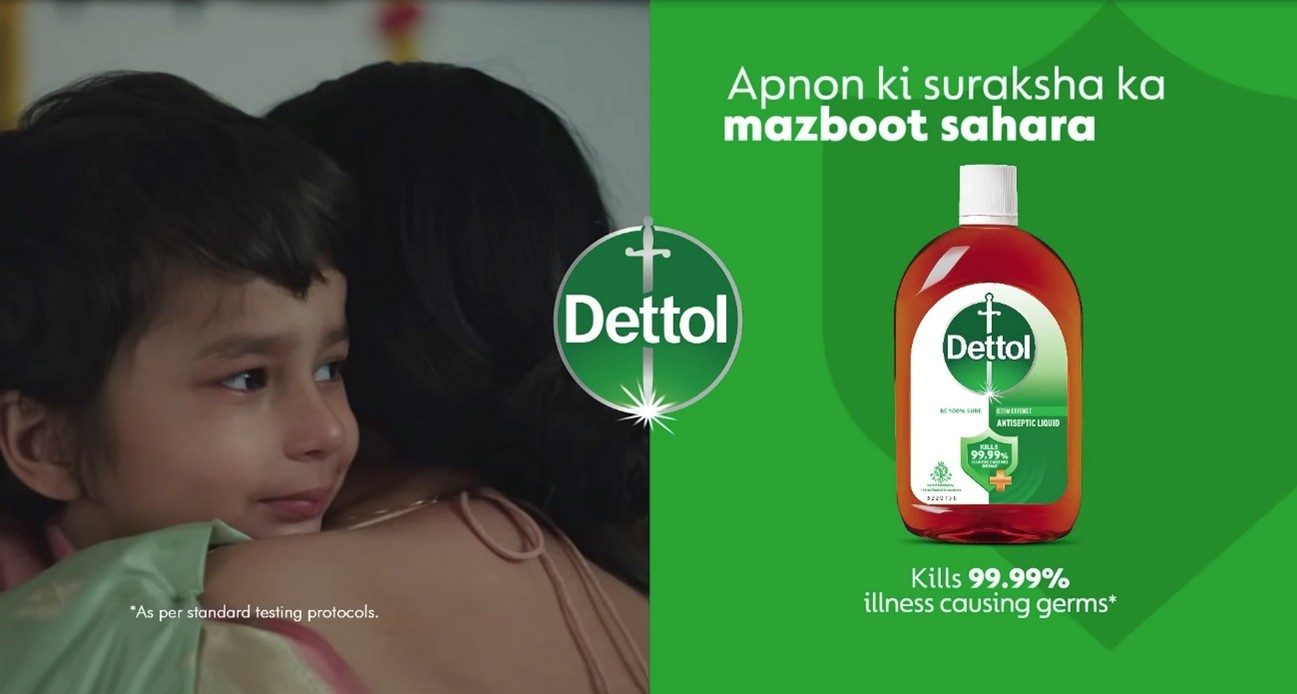
MUMBAI: Dettol has found the perfect formula for its latest campaign, a generous mix of maternal love and antiseptic care that’s sure to tug at every Indian heartstring. The iconic germ protection brand has rolled out a touching new campaign for Dettol Antiseptic Liquid built around the universal truth of a mother’s instinctive care. The film brings to life the simple yet powerful idea: “Nothing protects like Mom & Dettol.”
Set against the lively chaos of a shaadi ka ghar, the story follows a young boy who hurts himself but puts on a brave face to hide his pain. The moment he reaches his mother, she instinctively senses something is wrong. As she gently tends to his wound with Dettol Antiseptic Liquid, his guard drops, leading to a tender role reversal where the child ends up comforting his mother. The film ends with the poignant line, “Apnon ki suraksha ka mazboot sahara.”
The campaign reinforces Dettol’s timeless place in Indian homes as a reassuring companion in moments of vulnerability. It was conceptualised and written by Prasoon Joshi
, with an original track composed by Vishal Khurana K, sung by Javed Ali, and lyrics by Prasoon Joshi. Amit Sharma directed the film.
Reckitt EVP regional director for South Asia Gaurav Jain said the campaign captures the deep emotional bond between a mother’s instinct and Dettol’s protection. “This campaign encapsulates that delicate, human truth, a mother senses hurt even before it is spoken, and Dettol strengthens her ability to respond with care and confidence,” he noted.
Prasoon Joshi added, “When a child is hurt, the first instinct is to reach for their mother, their ultimate safe space. And in that moment, the mother turns to Dettol, something she trusts to protect what matters most.”
As the flagship product in the Dettol portfolio, the Antiseptic Liquid continues to offer unmatched protection for cuts and wounds, standing shoulder to shoulder with mothers through life’s small scrapes and bigger worries.
In a world full of flashy advertisements, Dettol has quietly reminded us once again that the strongest protection often comes wrapped in the simplest, most heartfelt moments, the kind only a mother and a trusted bottle of Dettol can provide.






