MAM
Honda CB Trigger TVC lures the youth, ask them to ‘Untame’


MUMBAI: With a new TVC, Honda aims to strengthen its 150cc sports bike segment. The automobile manufacturer is now positioning its new offering CB Trigger as ‘fun of riding for the youth’.
Created by Dentsu Marcom, the 30 second TV campaign showcases a young man’s life filled with dilemmas. How it is not in his control and how everyone in his generation is pressed to be put through a factory of conformity. Honda CB Trigger through the campaign, says ‘No More.’ The new TVC calls the youth as it asks them to ‘Untame’.
The film starts with the backdrop of a jingle (about a domesticated ‘cutie pie’), where the protagonist is being tamed by his friends, girlfriend and other members of the society in their own ways. The voice over in the background asks: “Do they make my choice? Do they define my life? Do they make my destiny?” Honda’s new bike is trigger for him to realise that enough is enough and he breaks the shackles of society saying: “I don’t belong to them. I belong to myself.”

“The new CB Trigger combines the raw power of 150 cc and macho styling. So we asked, ‘Why tame yourself?’ Youth enjoy college life and the life after because it seems to liberate them from the 12 years of schooling. Little do they realise that there is another kind of schooling that follows them in these and the following years. Fact is, people around you continue to teach you, what is cool, what isn’t, they tell you that you must join a gym, build your muscle, party hard etc. The new CB trigger gives them a physical tool to break out of all this and live by themselves,” said Dentsu Marcom national creative director Titus Upputuru.
Commenting on the campaign Dentsu India executive vice president and national planning director Narayan Devanathan said: “The simple but key insight into the life of the 18-year-old prospective biker is this: at a time when the 18-year-old is tasting freedom for the first time, the shackles of conformity try to bind him, hold him back, and worse, define him for who he really is not. Along comes Honda to remind him that there is indeed a time and a place to become domesticated. And that the new Honda CB Trigger is here to take him far, far away from them.”





MAM
Ameya Velankar steps down as Uber’s head of marketing for India & South Asia
Veteran marketer exits after more than seven years with the ride-hailing giant.
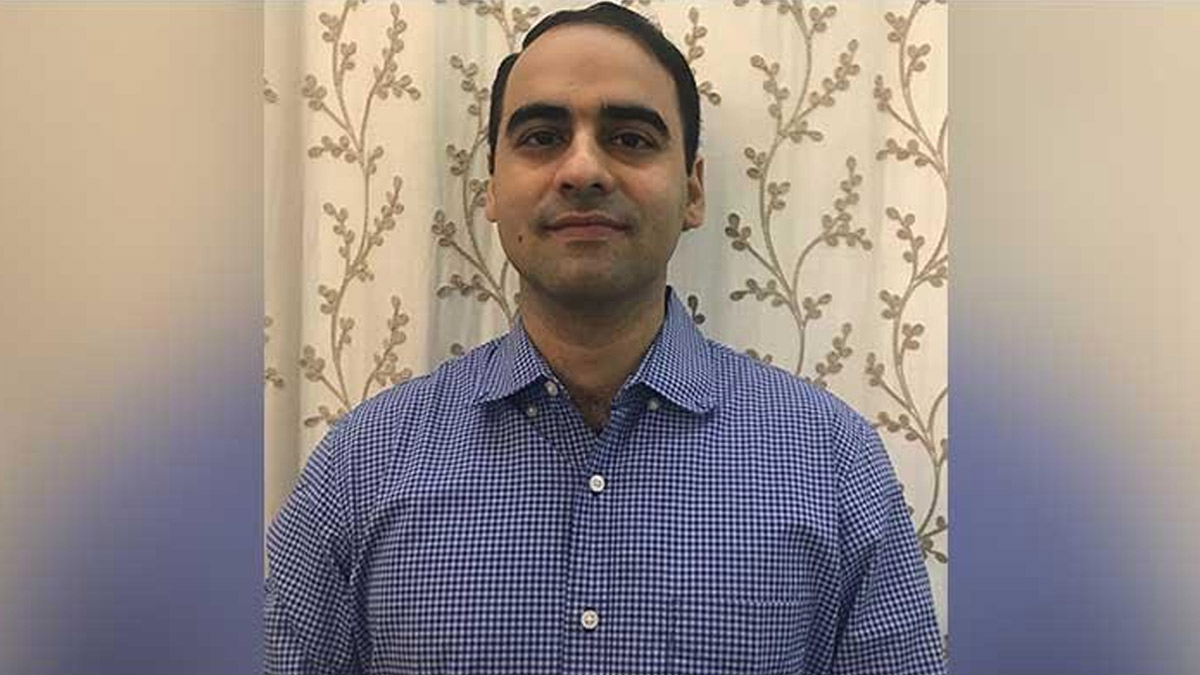
MUMBAI: After more than seven years of steering Uber through the bumpy roads of India’s mobility market, Ameya Velankar has decided to change lanes. Ameya Velankar has stepped down as Head of Marketing for India and South Asia, marking the end of a significant chapter at the ride-hailing company. He had been with Uber since 2019, taking on multiple roles in product and category marketing before rising to lead the marketing function for the region in 2021.
During his tenure, Velankar played a key role in strengthening Uber’s positioning in one of its most competitive and dynamic markets. He helped drive localised marketing strategies and scale adoption across key offerings such as Auto, Moto, Rentals and Intercity, tailoring global platforms to Indian consumer needs.
Prior to joining Uber, Velankar built his marketing expertise at leading consumer companies including SC Johnson and Marico, where he handled category and product leadership roles. His career began at RPG Enterprises.
Details of his next professional move have not been disclosed.
In a fast-evolving mobility landscape where brands constantly battle for attention, Ameya Velankar helped Uber stay relevant and resonant with millions of Indian users. As he moves on from the driver’s seat of marketing, the company will now look for fresh ideas to keep its wheels turning smoothly.






