Brands
Heineken’s challenge of advertising a product like beer

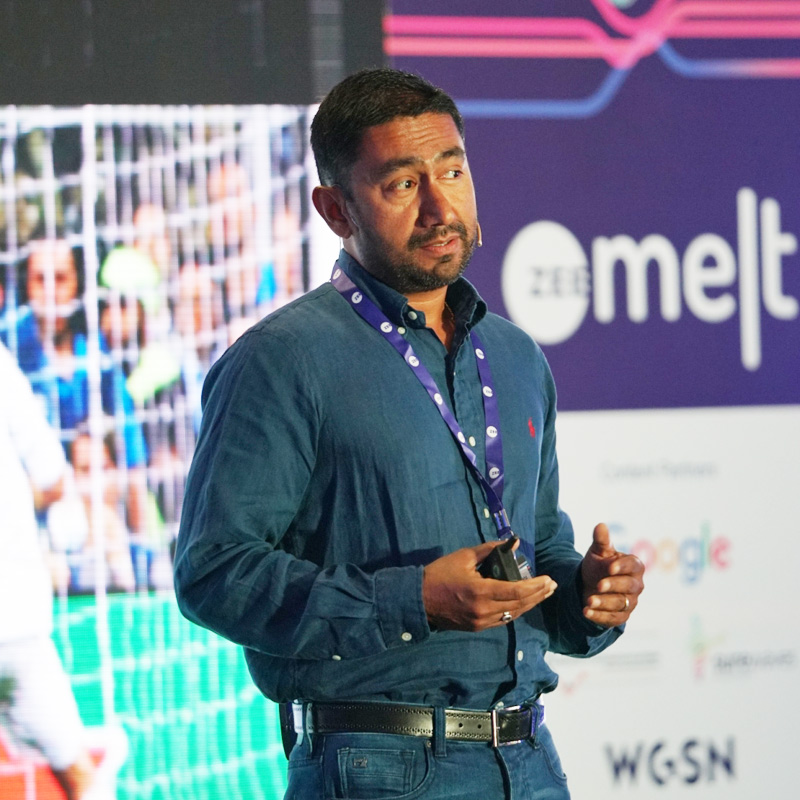
MUMBAI: Most brands can easily take up any form of promotion when it comes to advertising themselves. But some brands have the hard task of not being allowed to advertise at all. What does one do then? That is exactly what Heineken global director of integrated marketing communication Anuraag Trikha spoke about on day one of Zee Melt – ‘Beer marketing in the digital world’.
Trisha kicked off the session by pointing out the dilemma that global beer brands face, which is, to make sense of digital in selling something that you can buy at every corner of the country – beer. He noted that it is an interesting dilemma as the world is not 100 per cent digital or 100 per cent traditional and is rather a mix of both and that’s why it is complicated.
He defined his dilemma in terms of scale and relevance. “Digital is nothing but relevance because relevance is in your hands, it’s the phone you carry. What’s digital to me is how relevant are you on digital. And then comes the middle ground which is a mix of scale and relevance,” he said.

He also went on to say that he really admires music company Spotify and would quit his job at Heineken for Spotify if they offer him a job. That is solely because the music company really understands how to take big data (scale) and make it super relevant for consumers in their playlist, and that is the future of marketing where you can do relevance with scale.
He also mentioned that brands should not dismiss the power of idea, emotion and knowing their consumer while they do all their “cool” stuff and should instead balance both sides. No matter what they do, consumers should be at the heart of everything. He then went on to showcase Heineken’s case study for UEFA champions league where its major challenge was to connect with consumers who were not watching football at all or watch football at home.
Heineken’s mission for 2017 UEFA league was to inspire consumers to watch the league with friends and a few Heinekens. The problem is that 72 per cent consumers usually watch the match at home alone which is a big disadvantage for the brand as it dwells on being a social drink. Also, 64 per cent of Champions League matches is usually watched outside Europe which means people are watching the match in different time zones and they may not be in a mood to have a glass of beer at 4 am in the morning or at 3 pm in the afternoon.
Marketers around the world across all genres have to consider these variables to become the most distinctive brand, according to Trikha.
To change the scenario of drinking beer culture in Europe, Heineken got on board football coach Jose Mourinho, this time not to prep talk the footballers but rather the fans of the game.
Although 50 per cent of Heineken’s ad spend is on television, digital is extremely important for the company as it allows to connect with the audience on a one-to-one basis. It looks at every social asset and wants to leverage social, digital and all available mediums to talk to the consumer and will increase the adverting spends considerably. He also mentioned that the brand will never report to surrogate advertising and would rather prefer not adverting at all in media dark areas than going surrogate.





Brands
Funskool India crosses US$40 million turnover in FY 2025-26
Toy manufacturer posts steady growth despite global headwinds.
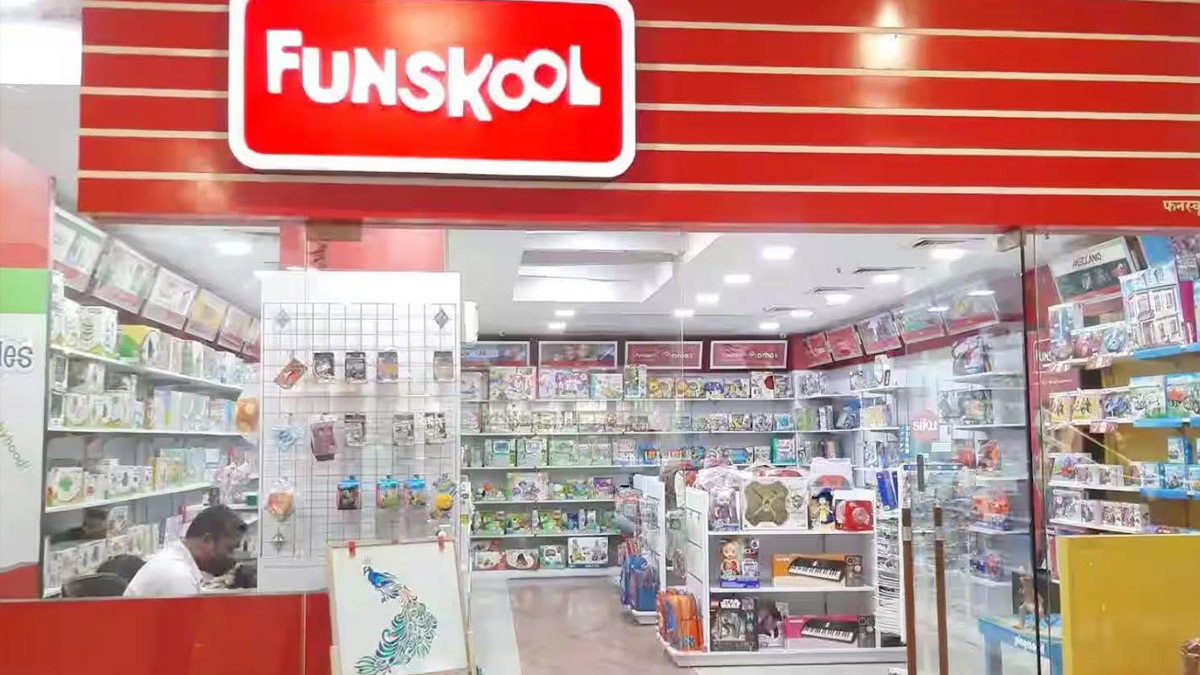
MUMBAI: Funskool India has played its cards well turning challenges into steady growth while keeping the fun alive in the toy business. The country’s leading toy manufacturer has reported a turnover of $40 million in FY 2025-26, demonstrating resilience in a difficult global environment. The company recorded an average growth of 14 per cent over the past two years, with exports growing at a healthy 19% year-on-year.
While domestic business grew at a modest single-digit pace, Funskool saw encouraging traction in key categories such as Fundough (dough) and Handycrafts (arts & crafts).
Funskool India Ltd. CEO K.A. Shabir said, “We successfully navigated the challenges posed by US tariffs last year and continued to grow both our export and domestic businesses. Given the ongoing geopolitical situation in West Asia, we are currently working with a moderate growth outlook of 12–15 per cent, with plans to revisit our targets after Q1 once the situation stabilises.”
He highlighted strengthened partnerships with global companies including Spin Master (Canada), Moose Toys (Australia), Melissa & Doug (USA), Asmodee (France), Learning Resources (USA), and Buffalo Games (USA). The expansion of the company’s Goa plant is progressing and is expected to be completed by the end of the current financial year.
Looking ahead, Funskool expects a significant shift in domestic growth momentum for FY 2026-27, driven by new categories such as friction vehicles under the brand “BlazeTrix”, remote-control cars under “VoltRush”, and the addition of popular licences like Paw Patrol.
In an industry where playtime never stops, Funskool has shown that even in turbulent times, a smart strategy and strong partnerships can keep the business ticking along nicely. As it gears up for the next financial year, the company appears well-positioned to build on its solid foundation and bring even more joy to children worldwide.







